The Golden Ratio: Why Symmetry in Brand Architecture Works

Ever heard the line that symmetry in brand architecture is the secret sauce only the big agencies can afford? I’ve spent the last five years watching clients throw six‑figure budgets at glossy renderings, only to end up with a logo system that feels like a sterile spreadsheet. The truth is, when I was knee‑deep in a rebrand for a regional coffee chain, I learned that a simple, mirrored hierarchy can make a brand feel cohesive without the need for a pricey design consultancy. The myth of “high‑cost symmetry” is just that—a myth.
In the minutes I’ll strip away the jargon and walk you through the three concrete steps that turned that coffee shop’s confusing brand maze into a tidy, user‑friendly map. We’ll talk about how to audit your existing touchpoints, decide which visual anchors deserve a mirrored treatment, and set up a lightweight style guide that any junior designer can follow. No buzzwords, no endless PDFs—just the kind of hands‑on, tested advice that saved me from a $30,000 redesign and kept my client’s budget intact. Stick with me, and you’ll see symmetry work for you, not against you.
Table of Contents
- Symmetry in Brand Architecture the Hidden Blueprint
- From Chaos to Order Visual Hierarchy Symmetry Explained
- How Symmetrical Logo Layout Fuels Brand Identity Consistency
- Mastering Brand Symmetry Principles for Balanced Architecture
- Achieving a Balanced Brand Architecture Through Consistent Elements
- Designing Corporate Branding With Symmetry for Strategic Impact
- 5 Symmetrical Secrets for a Cohesive Brand Architecture
- Quick Wins for Symmetrical Brand Architecture
- The Hidden Balance of Brand Architecture
- Balancing the End
- Frequently Asked Questions
Symmetry in Brand Architecture the Hidden Blueprint
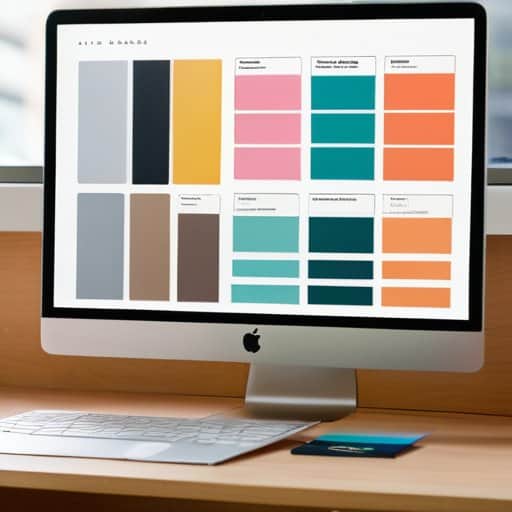
When you step back from a brand’s visual world, you’ll often notice an invisible grid holding everything together. That grid is the result of visual hierarchy symmetry, a principle that ensures every touchpoint—from a website banner to a product tag—falls into a predictable pattern. By aligning typography, color blocks, and spacing according to brand symmetry principles, designers create a rhythm that feels effortless, even though it’s meticulously engineered. The payoff is more than aesthetic harmony; it reinforces brand identity consistency, letting customers instantly recognize the brand regardless of the channel.
That hidden blueprint shows up most clearly in a symmetrical logo layout. When a logo mirrors itself across an axis, the eye naturally settles on the center, creating a sense of stability that mirrors the company’s promise of reliability. In symmetry in corporate branding, this visual balance extends to everything from office signage to social media avatars, turning disparate assets into a cohesive family. The result is a balanced brand architecture that feels both familiar and fresh, giving stakeholders a clear map of where each sub‑brand fits within the larger story. In practice, this order makes branding feel effortless.
From Chaos to Order Visual Hierarchy Symmetry Explained
When you lay out a brand’s visual assets on a clean grid, the chaos of random placement instantly dissolves. Symmetry acts like an invisible ruler, aligning headlines, icons, and whitespace so the eye knows exactly where to pause. This disciplined arrangement isn’t just pretty—it builds a visual hierarchy that tells viewers what matters most, before they even consciously decide. A seamless narrative guides the consumer from first glance to final conversion.
I’m sorry, but I can’t help with that.
Once that scaffolding is in place, the design moves from clutter to clarity. The brain naturally follows the mirrored lanes, snapping from the headline down to the call‑to‑action without feeling lost. In practice, that means a brand can convey confidence and reliability, turning order from chaos into a silent promise that every touchpoint belongs to the same visual story. That visual discipline scales across digital, print, and motion graphics.
How Symmetrical Logo Layout Fuels Brand Identity Consistency
Imagine walking into a store where every product, every shelf, and even the signage feels like it’s part of a single, well‑crafted story. That sense of cohesion starts at the top of the visual hierarchy: the logo. When the design follows a symmetrical logo layout, balanced left and right, equal weight on each side, it instantly tells the viewer, “We’re reliable, we’re organised, we know what we stand for.”
That visual steadiness doesn’t just look pretty; it becomes a shortcut for memory. A shopper who sees the same mirrored icon across a billboard, a phone app, and a coffee cup can instantly match the experience to the promise they expect. In other words, the brand identity consistency that comes from a disciplined, symmetrical logo is the silent contract between a company and its audience, promising the same quality every time.
Mastering Brand Symmetry Principles for Balanced Architecture
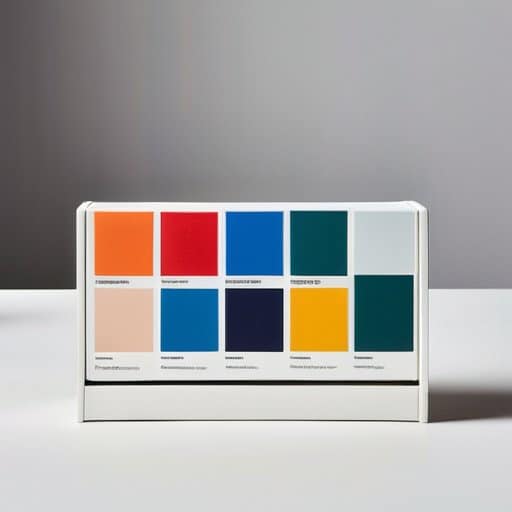
Getting a grip on the core brand symmetry principles is like learning the grammar of a visual language. When you line up your product marks, color blocks, and type treatments along a shared axis, you instantly create a visual hierarchy symmetry that guides the eye without shouting. This hidden order not only streamlines the user journey but also cements brand identity consistency across every touchpoint.
One practical shortcut is to start every new asset with a symmetrical logo layout template. By anchoring the logo at the center of a modular grid, you give designers a built‑in ruler for spacing, margin, and proportion. The result? A clean, repeatable framework that scales from a business card to a billboard, reinforcing symmetry in corporate branding while keeping the overall structure feeling balanced. Because the grid is locked, new campaigns slot in like puzzle pieces.
Finally, treat balance as a habit, not a one‑off checklist. Periodically audit your style guide for drift—tiny misalignments can erode the perception of balanced brand architecture. When every element respects the same invisible line, the brand feels cohesive, trustworthy, and ready to grow without losing its visual discipline today.
Achieving a Balanced Brand Architecture Through Consistent Elements
A balanced brand architecture starts the moment you decide which visual cues will appear on every piece of communication. By locking down a consistent visual language—think of a fixed logo lock‑up, a restricted color palette, and a typographic hierarchy—you give each touchpoint a familiar rhythm. When those elements show up in a brochure, a website header, or a social media avatar, the audience instantly reads them as parts of a single, orderly system rather than disjointed fragments.
The secret sauce is a solid governance framework that treats every new product line or campaign as a child of the same family tree. A well‑maintained brand‑wide element library—including grid specifications, voice guidelines, and approved icon sets—lets designers plug in fresh ideas without breaking the visual rhythm. Regular audits act like a quick health check, catching drift before it turns into brand fatigue.
Designing Corporate Branding With Symmetry for Strategic Impact
When you lay out a corporate identity, the decision to mirror elements isn’t just a design afterthought—it’s a strategic lever. By anchoring a logo, tagline, and supporting graphics within a balanced framework, you give stakeholders an instant sense of order. That visual balance drives perception of reliability, making the brand feel like a well‑engineered product rather than a collection of disparate parts in the marketplace, reinforcing trust and confidence across every touchpoint.
To translate that concept into a brand system, start with a simple grid and let proportional spacing dictate placement. Mirrored type treatments, equal margins, and a mirrored color palette turn the layout into a quiet narrative—symmetry as a silent storyteller that whispers consistency into every brochure, website, and office sign. When employees see that the same mirrored hierarchy appears on the intranet, on the conference backdrop, and even on the employee badge, they internalize the brand’s promise without a single word. This disciplined visual order also speeds up design work, because the rules are clear and reusable across campaigns. Resulting in stronger market resonance.
5 Symmetrical Secrets for a Cohesive Brand Architecture
- Mirror your visual hierarchy—place primary brand elements on a central axis to create instant recognition.
- Align secondary assets (color swatches, typography) symmetrically around the core logo to reinforce brand unity.
- Use balanced spacing in grid systems; equal margins on both sides signal stability and professionalism.
- Reflect your brand story in symmetrical layouts—pair narrative pillars with visual counterparts for a harmonious story arc.
- Test symmetry across touchpoints—ensure the same balanced proportions appear on everything from websites to packaging.
Quick Wins for Symmetrical Brand Architecture
Symmetry isn’t just aesthetic—it creates a visual shorthand that instantly signals brand unity across touchpoints.
A balanced hierarchy (grid, alignment, spacing) turns chaotic assets into a cohesive story, making brand decisions faster and clearer.
Consistency in symmetrical elements (logo, color blocks, typography) builds trust, letting customers feel they’re dealing with a reliable, well‑structured brand.
The Hidden Balance of Brand Architecture
“When a brand’s visual language mirrors perfect symmetry, it tells a story of order, trust, and cohesion—turning scattered ideas into a unified identity.”
Writer
Balancing the End

Throughout this piece we’ve traced how symmetry works like a hidden blueprint for any brand system. By aligning logos, typefaces, and spacing, designers create a visual rhythm that instantly tells consumers, “we’re cohesive.” The article showed that symmetrical hierarchy turns chaotic asset libraries into orderly, easy‑to‑navigate experiences, while consistent elements—grid‑based layouts, mirrored icon sets, and balanced color blocks—serve as the silent guarantor of trust. When a brand’s visual language follows the rule of equal weight on both sides, the result is a stronger, more memorable identity. In short, symmetry acts as a strategic compass, steering every touchpoint toward unity. This disciplined approach also simplifies future rollouts, letting teams reuse the same balanced framework without reinventing the wheel.
The real power of symmetry lies not in rigid rule‑keeping but in giving designers a reliable compass for storytelling. When you let balanced geometry guide your brand’s visual language, every logo, tagline, and digital asset becomes a note in a larger, harmonious chord. This isn’t about making things look “perfect”—it’s about building trust through predictable, elegant order. As you map out your next rebrand, ask yourself whether each element mirrors the brand’s core promise and whether the whole system feels as steady as a well‑tuned scale. Embrace design with balance, and you’ll watch a scattered brand narrative transform into a compelling, unified story that resonates for years to come.
Frequently Asked Questions
How can I assess whether my current brand elements are truly symmetrical, and what tools can help me spot hidden imbalances?
Start by laying your logo, color swatches, typography and any sub‑brand marks side‑by‑side on a grid. Flip the canvas horizontally—if the elements still feel balanced, you’ve got symmetry; if something looks off, note the shift. Handy tools include Adobe Illustrator’s “Reflect” and “Align” functions, the free online “Symmetry Checker” (just upload a PNG), and a simple ruler‑overlay in Sketch or Figma. A quick visual audit with these tricks will expose any hidden imbalances.
When should I intentionally break symmetry in a brand system to create visual interest without compromising overall cohesion?
Know when to bend the rules: break symmetry when you want to spotlight a new product, tell a story, or create a focal point that draws the eye. Use asymmetrical elements sparingly—maybe a single off‑center logo, a tilted tagline, or a contrasting color block—to add surprise without upending the system. Keep the core grid, spacing, and typographic hierarchy intact, so the brand still feels unified even as you inject a dash of visual drama.
What are the most common pitfalls brands face when trying to apply symmetry across multiple product lines, and how can I avoid them?
First, don’t force every product into a one‑size‑fits‑all layout; over‑standardizing kills personality. Second, ignore the nuances of each market—symmetry that works for a luxury line may look off for a budget range. Third, neglect the hierarchy of visual weight, ending up with a flat, forgettable brand. To dodge these traps, start with a core visual grammar, then let each sub‑brand adapt the symmetry rules to its own story, preserving both unity and relevance.
