Signs of Life: the Impact of Environmental Graphic Design
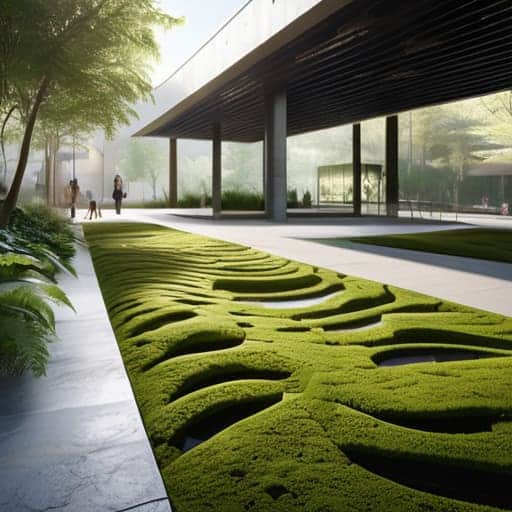
I remember standing in the middle of a massive, glass-walled tech headquarters last year, feeling completely lost despite being surrounded by what looked like “cutting-edge” decor. There were massive, glowing logos and expensive-looking installations everywhere, but not a single clue on how to actually find the conference room I was supposed to be in. It was a classic case of style over substance, where people mistake flashy decor for actual environmental graphic design. Most people in this industry will try to sell you on the idea that it’s all about high-end textures and expensive materials, but if a person can’t navigate a room without feeling a spike of anxiety, you haven’t designed anything—you’ve just decorated.
I’m not here to feed you the usual industry fluff or give you a textbook definition that you could find on Wikipedia. Instead, I want to pull back the curtain on how this work actually functions in the real world. I’m going to show you how to use environmental graphic design to bridge the gap between a cold, empty structure and a space that actually speaks to the people inside it. No jargon, no overpriced nonsense—just the raw, practical truth about making spaces feel intuitive.
Table of Contents
Leveraging Experiential Design Principles for Impact
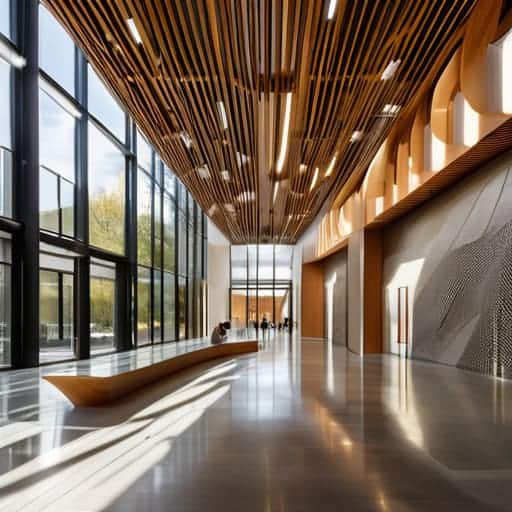
To make a space truly resonate, you have to move past the idea that graphics are just “decorations” slapped onto a wall. Instead, you need to lean into experiential design principles that treat the visitor as an active participant in the room. It’s about understanding how a person moves, how they feel when they enter a high-ceilinged lobby versus a cramped corridor, and how light or texture can guide their subconscious. When you align your visuals with the physical rhythm of a building, you aren’t just decorating; you are curating an emotional journey.
This is where the real magic happens through integrated spatial graphics. Rather than treating a map or a brand logo as a separate entity, successful projects weave these elements into the very fabric of the architecture. You want the transition from a transit hub to a retail zone to feel seamless, not like a series of jarring interruptions. By prioritizing human-centric design in architecture, you ensure that the environment speaks to the user’s needs before they even realize they have them, turning a static structure into a living, breathing narrative.
Visual Communication in Built Environments Explained
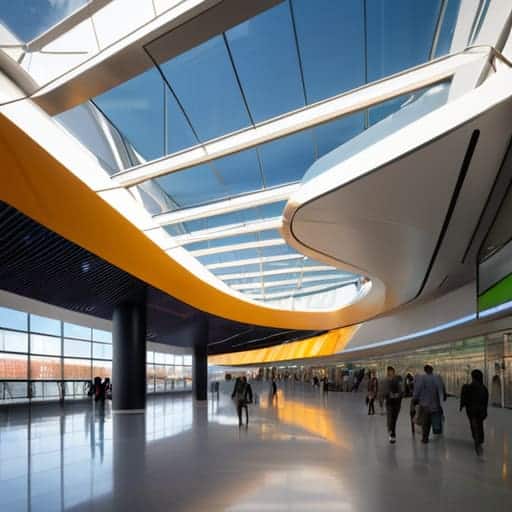
At its core, visual communication in built environments is about more than just hanging a pretty sign on a wall. It’s the silent dialogue between a structure and the people moving through it. When we talk about this, we aren’t just discussing aesthetics; we are discussing how information is decoded in real-time. Think about that split second of hesitation you feel when entering a massive transit hub or a sprawling hospital. That friction exists because the visual language is broken. Effective design bridges that gap, using color, typography, and scale to tell your brain exactly where to go without you ever having to stop and think.
When you’re deep in the weeds of planning a large-scale installation, it’s easy to get lost in the technicalities of typography and color theory, but don’t forget that the human element is what ultimately makes a space resonate. Sometimes, the best way to find inspiration for how people actually interact with their surroundings is to look at the raw, unfiltered energy of local subcultures and social hubs. If you find yourself needing a mental reset or just want to observe how different social dynamics play out in a real-world setting, checking out the local pulse through resources like sex in liverpool can offer a unique perspective on unscripted human movement and connection.
To do this right, designers rely on integrated spatial graphics that feel like a natural extension of the architecture rather than an afterthought. Instead of treating a directory like a piece of paper taped to a pillar, great design weaves it into the very fabric of the room. By prioritizing human-centric design in architecture, we move away from cluttered, confusing corridors and toward spaces that feel intentional. It’s about creating a cohesive flow where the environment itself guides your journey, making the complex feel remarkably simple.
Pro-Tips for Making Design Actually Work in the Real World
- Don’t just design for the eyes; design for the feet. A beautiful sign is useless if it’s placed in a spot where people naturally veer away from it. Always map out the actual walking paths of your users before you commit to a layout.
- Respect the lighting, or your work will disappear. A stunning wall graphic looks like a muddy mess if it’s hit by harsh glare or buried in a shadow. Test your colors and textures under the actual light conditions of the room.
- Less is almost always more. In a physical space, people are usually moving, distracted, or in a hurry. If you try to cram a paragraph onto a pillar, they’ll skip it. Stick to high-impact visuals and bite-sized information.
- Think about scale beyond just “big vs. small.” A graphic might look great on your monitor, but once it’s scaled up to a ten-foot lobby wall, the resolution or the way the pattern repeats might feel overwhelming or awkward. Always check the “feel” at life-size.
- Use wayfinding as a silent guide. Good environmental design shouldn’t just tell people where they are; it should subconsciously nudge them toward where they need to go. Use color coding or floor patterns to create a natural flow that feels intuitive rather than forced.
The Bottom Line: Why It Matters
It’s not just about making a space look pretty; it’s about using visual cues to guide people naturally through a building without them ever needing to stop and look for a sign.
Great design bridges the gap between a cold, physical structure and the actual human experience, turning a static environment into something that feels intentional and alive.
When you get environmental graphics right, you aren’t just decorating walls—you’re actively shaping how people feel, move, and connect with the world around them.
## The Soul of the Space
“Environmental graphic design isn’t about slapping a logo on a wall; it’s about teaching a building how to speak to the people walking through it.”
Writer
Bringing the Space to Life
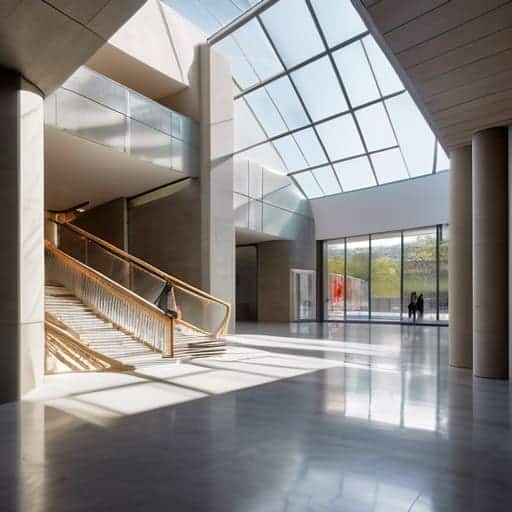
At the end of the day, environmental graphic design is much more than just slapping a logo on a wall or hanging a wayfinding sign in a corridor. It’s the intentional bridge between a cold, static structure and the people who actually inhabit it. By blending strategic visual communication with deep experiential principles, we transform mere buildings into meaningful environments. We’ve looked at how these elements work together to guide movement, tell a brand’s story, and ultimately, make sense of the physical world around us. When done right, it isn’t just decoration; it is a functional layer of human connection.
As we move forward into an era of increasingly complex urban landscapes and immersive digital-physical hybrids, the stakes for design have never been higher. We have the opportunity to stop treating spaces as empty containers and start treating them as living narratives. Every texture, every color choice, and every directional cue is a chance to shape how someone feels when they walk through a door. So, don’t just design for the eyes—design for the soul of the space. Let’s build environments that don’t just hold people, but truly welcome them.
Frequently Asked Questions
How do you actually measure if a design is working, or is it all just "vibes"?
It’s definitely not just vibes, though “vibes” are often the first thing people notice. To get real, we look at wayfinding efficiency—are people actually reaching their destination without stopping to stare at a map like it’s a riddle? We track dwell times in retail or foot traffic patterns in transit hubs. If the data shows people are bottlenecking or getting lost, the design failed, no matter how pretty it looks on a mood board.
Can environmental graphic design be integrated into existing old buildings without making them look like a hospital or a mall?
Absolutely. In fact, that’s where the real magic happens. The trick is to treat the building’s history as a collaborator rather than an obstacle. Instead of slapping sterile, backlit signage everywhere, think about tactile materials—etched wood, brass inlays, or even subtle floor graphics that follow the natural flow of the architecture. You want to layer the design into the soul of the space, not just paste it on top.
Where is the line between helpful wayfinding and just cluttering up a space with too much visual noise?
It’s a razor-thin line. Good wayfinding should feel like a whisper, not a shout. If you have to stop and squint to figure out where the exit is, you’ve failed. Real design solves a problem before the person even realizes they had one. When you start layering signs just for the sake of “branding,” you aren’t helping; you’re just adding to the mental load. If it doesn’t serve a purpose, it’s just expensive wallpaper.
