The Clean Buffer: Designing Modular Mudroom Decontamination
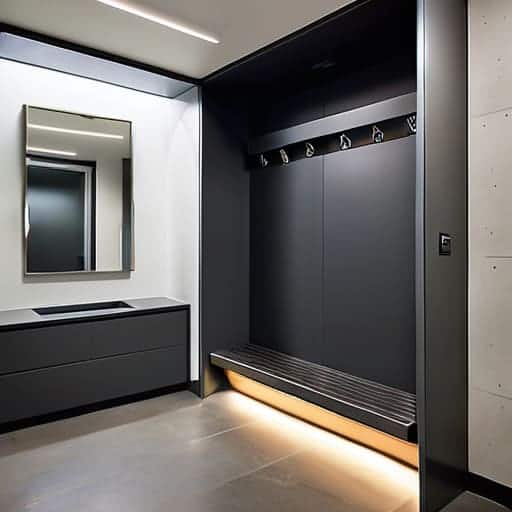
I was coming back from a weekend foraging for ramps and stinging nettles in the nearby park, my boots caked in a thick, dark sludge, when I realized my apartment felt less like a sanctuary and more like a landing strip for city grime. I looked at the trail of soot and pollen I’d tracked across my hardwood, and it hit me: we spend so much time trying to bring nature indoors, but we forget that urban nature often comes with a side of heavy metals and street pollutants. Most people think you need a massive, expensive renovation to fix this, but the truth is that modular mudroom decontamination isn’t about high-tech industrial systems; it’s about creating a smart, intentional buffer zone between the chaos of the sidewalk and the peace of your living room.
I’m not here to sell you on some over-engineered, overpriced cleaning gadget that will just end up cluttering your space. Instead, I want to show you how to build a practical, scalable system using simple, sustainable logic that actually works for small-scale city living. We’re going to dive into how you can implement modular mudroom decontamination using low-impact materials and clever organization to ensure that the only thing you’re bringing home is good vibes and fresh air.
Table of Contents
- Mastering Pathogen Control in Home Entryways
- Hygienic Entryway Solutions for the Eco Conscious City Dweller
- Small Shifts for a Cleaner Sanctuary: My Top 5 Modular Entryway Hacks
- Bringing the Outside In (Without the Grime)
- ## Protecting Your Indoor Sanctuary
- Bringing the Balance Home
- Frequently Asked Questions
Mastering Pathogen Control in Home Entryways
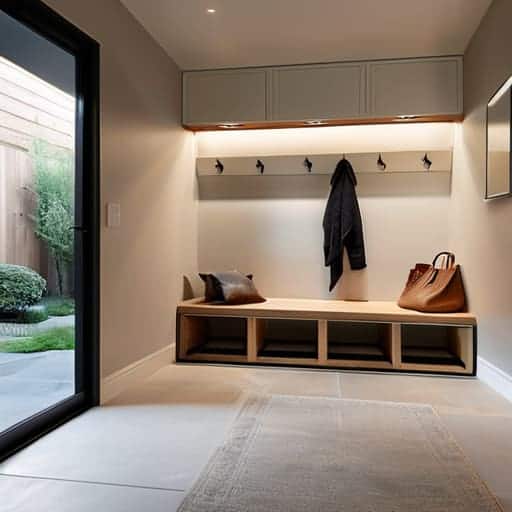
When we talk about pathogen control in home entryways, I like to think of it less like a sterile laboratory procedure and more like setting up a natural airlock for your sanctuary. In the city, our shoes act like little sponges, soaking up everything from street grime to microscopic pollutants. To keep that city grit from migrating into your living room, you really need to focus on preventing cross-contamination in homes by creating a dedicated “drop zone.” This is where a well-thought-out system makes all the difference; instead of just tossing your keys and bag on a random chair, you’re establishing a boundary that protects your indoor air quality.
I’ve found that the secret lies in choosing the right tools for the job. Opting for easy-to-clean mudroom materials, like stone tiles or treated wood, allows you to wipe away the day’s urban residue without a struggle. I actually use a few of my old repurposed glass jars on a small shelf to hold sanitizing wipes and organic sprays—it keeps everything organized and within reach. By integrating these small, intentional habits, you turn a simple transition space into a powerful tool for home wellness.
Hygienic Entryway Solutions for the Eco Conscious City Dweller
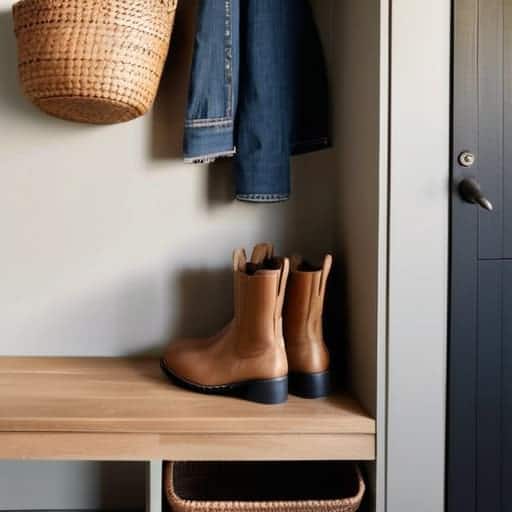
While I’m usually busy scouring the local parks for dandelion greens or cleaning out my latest haul of mason jars, I’ve realized that keeping an entryway organized is really about intentionality. If you’re feeling a bit overwhelmed by the logistical side of managing a high-traffic mudroom, I’ve found that checking out some of the lifestyle advice over at casual encounters can be a total game-changer for finding your rhythm. It’s all about those small, manageable shifts in your daily routine that eventually turn a cluttered doorway into a seamless, calming transition zone between the grit of the city and the sanctuary of your home.
When we talk about setting up these spaces, I always tell my clients to think about the materials first. In a busy city apartment, you don’t want to be scrubbing heavy-duty surfaces every single night. I’m a huge fan of choosing easy-to-clean mudroom materials like slate tiles or even recycled composite mats that can handle a bit of city grit. If you’re like me and love a good DIY project, you can even repurpose some of those old glass jars I’m always hoarding to hold natural cleaning supplies or even small brushes for dusting off shoes. It’s about finding that balance between aesthetic and utility.
The real magic, though, happens when you implement modular storage for sanitation that actually makes sense for your daily flow. Instead of one big, cluttered pile of coats and boots, think in zones. Having dedicated, wipeable bins for things like reusable grocery bags or even your gardening gloves helps in preventing cross-contamination in homes. By creating these small, intentional boundaries, you aren’t just cleaning a floor; you’re designing a buffer zone that protects the sanctuary of your living space from the chaos of the street.
Small Shifts for a Cleaner Sanctuary: My Top 5 Modular Entryway Hacks
- Think in zones, not just one big space. Instead of a single messy pile of shoes, use modular bins or small wooden crates to create a “drop zone” specifically for outdoor gear. This keeps the city grime contained to one small, manageable area rather than letting it drift into your living room.
- Repurpose what you already have to keep things organized. I’m a huge fan of using those old glass jars—once cleaned, they make perfect, stylish containers for small items like keys, hand sanitizer, or even natural scent sachets like dried lavender to keep the entryway smelling like a garden instead of a subway station.
- Create a “Natural Filter” station. Set up a modular tray or a heavy-duty bamboo mat right at the threshold. It’s a simple, intentional way to catch the heavy pollutants and dust from the street before they ever touch your floorboards.
- Go modular with your cleaning supplies. Instead of a giant, overwhelming cleaning closet, keep a small, curated “entryway kit” in a portable caddy. Include a biodegradable spray and a reusable cloth so you can quickly wipe down surfaces without a major production every time you come home.
- Prioritize breathable, natural materials. When choosing your modular storage—like baskets or bins—opt for wicker, jute, or recycled felt rather than plastic. Not only do they look much more at home in a nature-inspired space, but they also don’t off-gas those harsh chemicals into your living sanctuary.
Bringing the Outside In (Without the Grime)
Think of your entryway as a strategic buffer zone; by setting up a modular decontamination station, you’re creating a healthy transition between the chaotic urban street and your personal sanctuary.
Prioritize eco-friendly, non-toxic cleaning solutions for your mudroom to ensure that while you’re keeping pollutants out, you aren’t introducing harsh chemicals into your home ecosystem.
Small, intentional changes—like a dedicated spot for shoes or a simple tray for keys—can drastically reduce the amount of urban dust and pathogens that hitch a ride into your living space.
## Protecting Your Indoor Sanctuary
“I like to think of a modular decontamination station not just as a way to scrub off city grime, but as a gentle boundary—a way to leave the chaos of the pavement at the door so your home can remain the lush, clean sanctuary your spirit needs to recharge.”
Dave Dunnam
Bringing the Balance Home
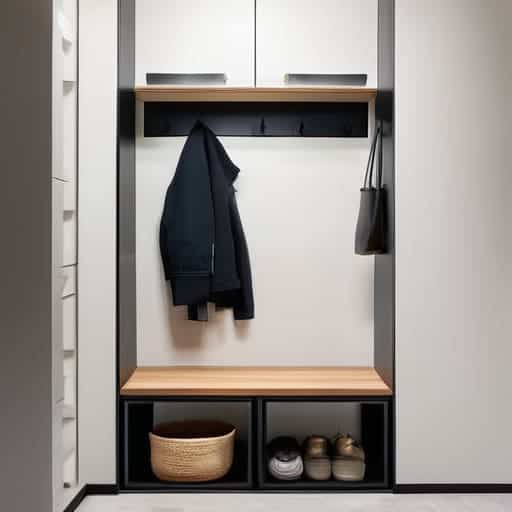
At the end of the day, setting up a modular decontamination station isn’t just about scrubbing away city grime or managing pathogens; it’s about creating a intentional threshold between the chaotic urban sprawl and your personal sanctuary. By integrating smart, modular systems—whether that’s a dedicated tray for outdoor gear or a simple station for sanitizing essentials—you are effectively managing the flow of pollutants into your living space. We’ve looked at how these small, practical adjustments in our entryways can serve as a powerful first line of defense, ensuring that the heavy metals and pollutants from the street stay exactly where they belong: outside.
I truly believe that these small, mindful shifts in how we manage our homes are the building blocks of a more sustainable and resilient lifestyle. It’s easy to feel overwhelmed by the scale of environmental challenges, but when we start by curating our own immediate surroundings, we reclaim a sense of agency. Think of your home as your own little ecosystem; when you protect its purity, you’re practicing the same stewardship I learned back in the Vermont woods. Let’s take these tiny, purposeful steps together to turn our urban apartments into true havens of health and harmony.
Frequently Asked Questions
How can I set up an effective decontamination station if I'm living in a small apartment without a dedicated mudroom?
Don’t sweat the lack of space; you don’t need a sprawling mudroom to create a functional buffer. I do this in my tiny apartment using a stylish wooden bench near the door. I keep a small, repurposed glass jar filled with organic cleaning wipes and a dedicated basket for “outdoor” shoes. It’s all about creating a mental and physical boundary—a tiny, intentional zone that keeps the city grit from invading your sanctuary.
What are some eco-friendly, non-toxic cleaning solutions I can use to sanitize my entryway gear without bringing harsh chemicals into my living space?
I’m a huge believer in keeping things simple and safe. Instead of reaching for those heavy-duty synthetic sprays, I swear by a mixture of distilled white vinegar and water for hard surfaces—it’s a total game-changer. For gear like boots or bags, a gentle scrub with castile soap works wonders. I even keep a few old glass jars filled with homemade citrus-infused vinegar cleaners; they smell amazing and won’t compromise the air quality in your sanctuary.
Are there specific materials for modular bins or mats that are both durable for urban grit and easy to compost or recycle at the end of their life?
That’s a killer question! When you’re dealing with city grit, you want something tough but not permanent. I’m a huge fan of natural coir mats—those coconut fiber ones—which are incredibly rugged and fully compostable. For bins, look for recycled HDPE plastics or even FSC-certified bamboo. Just a tip from my jar-collecting days: always check if a “bio-plastic” is actually home-compostable, otherwise, it’s just more landfill clutter. Aim for materials that can eventually return to the earth!
