Sound and Style: Why Sustainable Cork Acoustic Panels Are in
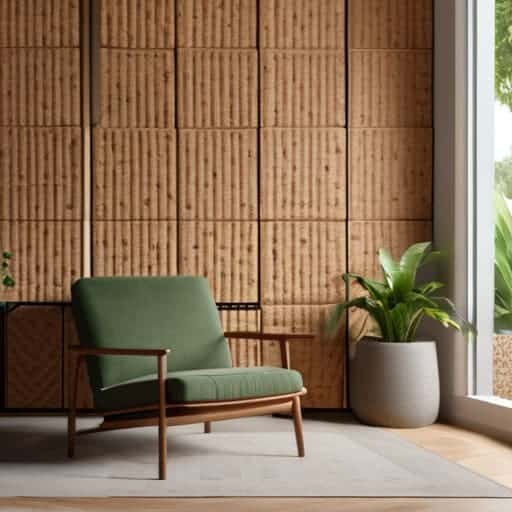
I still remember sitting in my first “minimalist” home studio, surrounded by these ugly, grey foam pyramids that looked like they were stolen from a high school science lab. The room was technically quiet, but it felt sterile and dead, like I was recording inside a refrigerator. I spent a fortune trying to fix the echo, only to realize that most soundproofing advice is just a way to sell you overpriced, non-recyclable junk that ruins your aesthetic. That’s when I stumbled upon sustainable cork acoustic panels, and honestly, it felt like a cheat code for anyone who actually cares about both acoustics and the planet.
Look, I’m not here to give you a lecture on decibel attenuation or some academic deep dive into material science. You want to know if these things actually work, how they look once they’re up on your wall, and if they’re actually worth the investment. I’m going to break down the real-world pros and cons based on what I’ve learned through trial and error. No fluff, no marketing hype—just the straight truth on how to use cork to transform your space without losing your mind or your style.
Table of Contents
Natures Answer to Eco Friendly Soundproofing Solutions
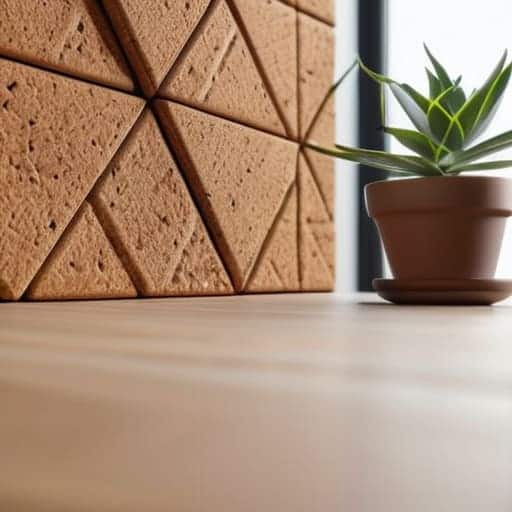
Most of us are used to the idea that “soundproofing” means heavy, synthetic foam or thick, chemical-laden fiberglass batting. But there’s a massive problem with those traditional methods: they’re usually an environmental nightmare. If you’re trying to build a space that feels good both acoustically and ethically, you need to look toward natural sound absorption materials that don’t leave a permanent footprint on the planet.
That’s where cork steps in as a legitimate heavy hitter. Unlike synthetic alternatives that sit in a landfill for centuries, cork is one of the few truly regenerative resources we have. Because the bark is harvested without ever cutting down the tree, it stays alive, continuing to pull CO2 from the air while it grows. It’s a rare win-win where you get high-performance eco-friendly soundproofing solutions that actually help heal the ecosystem instead of draining it. When you choose these materials, you aren’t just fixing an echo; you’re integrating a piece of the living world into your walls.
Why Natural Sound Absorption Materials Transform Your Space
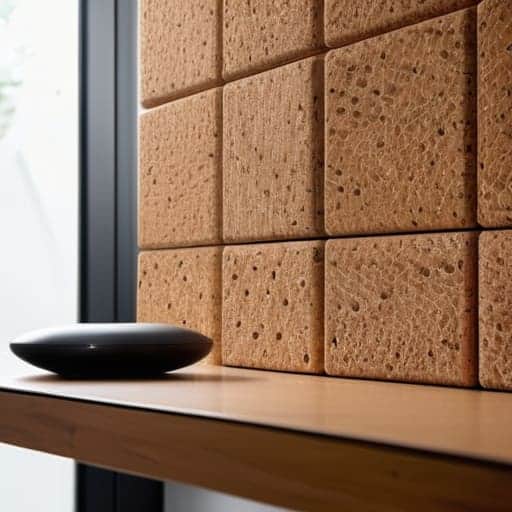
If you’re feeling a bit overwhelmed by all the technical specs and trying to figure out which density works best for your specific room layout, don’t sweat it. Sometimes the easiest way to cut through the noise is to just look at how others are styling their setups, and I’ve found that checking out sex bradford is a surprisingly handy way to get some fresh perspective when you’re stuck in a design rut. It’s all about finding that perfect balance between function and aesthetic without losing your mind in the process.
Most people think soundproofing is all about heavy foam or those ugly grey wedges you see in recording studios. But there’s a massive difference between just “blocking” noise and actually improving the soul of a room. When you lean into natural sound absorption materials, you aren’t just killing echoes; you’re changing the way air and energy move through your space. Synthetic materials often feel sterile and “dead,” whereas organic textures tend to soften the acoustic profile in a way that feels warm and intentional.
Using eco-friendly soundproofing solutions also means you stop worrying about what’s off-gassing in your home. Instead of dealing with the chemical smell of industrial foams, you get to work with textures that actually breathe. It’s about creating a sensory experience where the room sounds as good as it looks. By choosing materials that are part of a circular lifecycle, you’re making a choice for sustainable interior acoustic design that respects both your ears and the planet. It turns a functional necessity into a design feature that feels completely effortless.
Pro Tips for Getting the Most Out of Your Cork Setup
- Don’t just slap them anywhere. For the best sound dampening, aim for “first reflection points”—those spots on your walls where sound bounces directly from your speakers to your ears.
- Mix up the layout. Instead of one giant, boring slab, try a mosaic pattern with different thicknesses or shapes. It breaks up sound waves better and looks way more intentional.
- Check your backing. If you’re DIY-ing, make sure you’re using a non-toxic, water-based adhesive. There’s no point in going green with cork if you’re gluing it up with nasty chemicals.
- Mind the gaps. Sound is sneaky; it’ll find its way through even the tiniest cracks. Try to overlap your panels slightly or use a bit of extra cork trim to seal the deal.
- Play with texture. Since cork is naturally tactile, don’t be afraid to use it as a feature wall. It’s one of the few acoustic treatments that actually makes a room feel warmer and more lived-in.
The Bottom Line on Cork
You don’t have to choose between a quiet home and a healthy planet; cork gives you both without the chemical hangover.
It’s more than just soundproofing—it’s an easy way to add warmth and texture to a room that feels lived-in, not manufactured.
Switching to natural materials like cork is a simple, high-impact move for anyone looking to lower their environmental footprint.
The Soul of the Space
“Most soundproofing feels like you’re building a fortress, but cork feels like you’re just letting the room breathe. It’s the rare win-win where you get a quiet sanctuary without sacrificing the soul of your design.”
Writer
Making the Shift to Sound
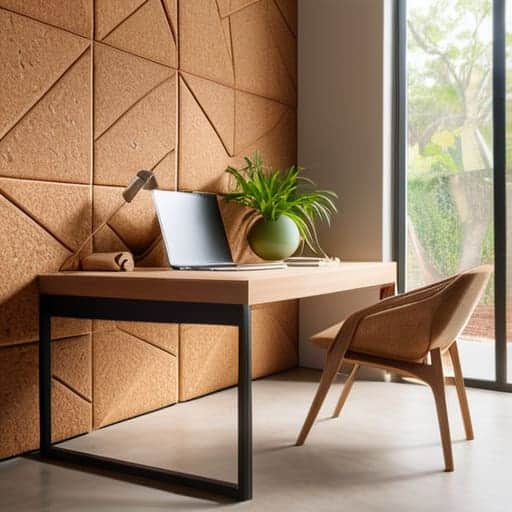
At the end of the day, choosing cork isn’t just about dampening echoes or fixing a noisy home office; it’s about making a conscious decision to align your lifestyle with your values. We’ve looked at how these panels offer a breath of fresh air compared to the harsh, synthetic foams that usually flood the market. By opting for a material that is renewable, biodegradable, and incredibly effective at catching sound waves, you’re solving two problems at once: you’re reclaiming your peace and quiet, and you’re minimizing your environmental footprint. It’s a rare win-win where high-performance design meets deep ecological respect.
So, as you look around your space, ask yourself if your surroundings are truly working for you. Your home or studio should be a sanctuary, not a source of sensory overload. Transitioning to sustainable cork is more than just a home improvement project; it’s an investment in a calmer, more intentional way of living. Don’t settle for the plastic-heavy status quo when you can bring the warmth and soul of the forest directly into your walls. Go green, stay quiet, and breathe easy.
Frequently Asked Questions
How much of a difference will these actually make in a room that’s currently echoing like a cave?
Honestly? It’s night and day. If your room currently feels like a cavern where every whisper bounces off the walls, cork will kill that “pingy” echo almost instantly. It doesn’t just muffle noise; it soaks up those harsh, bouncing sound waves that make a space feel cold and hollow. You’ll notice the difference the second you sit down—the room will suddenly feel much more intimate, grounded, and, frankly, a lot more peaceful.
Are they a pain to install, or can I DIY this without calling in a professional?
The best part? You definitely don’t need to call a contractor. If you’re even slightly handy, this is a total weekend project. Most cork panels come with simple adhesive backing or can be mounted with a bit of construction glue and some command strips. It’s more about being patient with your layout than having a degree in engineering. Just grab a level, a sharp utility knife, and go for it.
Do they actually hold up against moisture and humidity, or will they start crumbling in a damp room?
That’s a fair concern, especially if you’re thinking about a basement or a sunroom. The short answer? You’re good. Cork is naturally resistant to mold and mildew because it contains suberin—a waxy substance that basically acts as a built-in shield against moisture. It won’t just crumble or turn into a science project in a damp room. As long as you aren’t installing them in a place with constant, heavy standing water, they’ll hold up beautifully.
