Pure Glow: the Complete Guide to Making Diy Natural Beeswax Candles
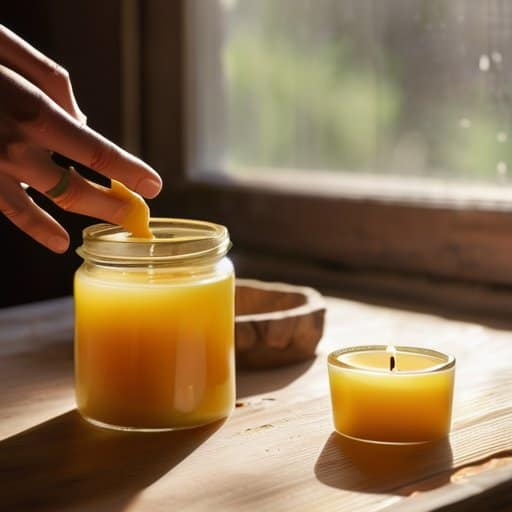
There I was, perched on my kitchen counter, the scent of pine drifting in from the open window, a cracked mason jar perched like a lighthouse on a sea of melted wax. I was making DIY natural beeswax candles for the first time, and my biggest fear was that the whole thing would turn into a sticky mess instead of a warm, amber glow. Turns out the myth that you need fancy equipment and a chemistry‑lab‑grade setup is wrong—just a sturdy jar, a bit of raw beeswax, and a pinch of patience are all the alchemy you need.
In this guide I’ll walk you through each step, from sourcing local raw honeycomb wax to repurposing those vintage glass jars you’ve been hoarding for years. You’ll learn how to score the wax, attach a simple cotton wick, add a dash of essential oil if you like, and finish with a polish that makes the candle look like it belongs on a Vermont porch—even if your balcony is a block from the subway. By the end you’ll have a batch of clean‑burning candles that light up your apartment and conscience.
Table of Contents
Guide Overview
Tools & Supplies
- Double boiler (or pot + heat‑safe bowl) – melts wax safely
- Thermometer – checks wax temperature
- Stirring spoon or silicone spatula – mixes wax and additives
- Wick holder or clothespin – keeps wick centered while cooling
- Candle molds or heat‑proof containers (e.g., glass jars) – shape the candle
- Beeswax – 1 lb (≈0.5 kg)
- Cotton wicks (pre‑tabbed) – 5 pieces
- Essential oil (optional) – 10 ml for scent
- Candle dye (optional) – a few drops or a small amount of natural colorant
- Scissors – to trim wick after cooling
Step-by-Step Instructions
- 1. First, scout a clean glass jar – I love rummaging through my pantry for those forgotten mason jars that have seen better days. Give it a good wash, rinse, and let it dry completely. This repurposed jar becomes the cozy home for our candle, and it’s a tiny win for waste reduction.
- 2. Next, measure out your beeswax – I usually melt about a quarter‑pound of raw, unrefined beeswax for a standard‑sized jar. Use a double‑boiler (a heat‑proof bowl perched over a simmering pot) to gently melt the wax, stirring occasionally so it stays smooth and fragrant.
- 3. Now, add a hint of scent – While the wax is still liquid, I love stirring in a few drops of essential oil – think cedarwood or orange zest for that subtle, nature‑infused aroma. Keep it light; you’ll want the natural honey notes of the wax to shine through.
- 4. Secure your wick – Slip a cotton or wooden wick through a small piece of adhesive tape, then press it onto the center of the jar’s base. I find a little dab of melted wax helps the wick stay put while the candle sets, ensuring an even burn later on.
- 5. Pour the molten wax – Slowly pour the warm beeswax into the prepared jar, leaving about a half‑inch of space at the top. Watch as the wax settles around the wick, forming a glossy, amber pool that already feels like a slice of Vermont forest.
- 6. Let it cool and cure – Allow the candle to solidify at room temperature for a few hours (or overnight if you’re patient). Once firm, trim the wick to about a quarter‑inch, and you’ve got a ready‑to‑light, eco‑friendly candle that doubles as a chic kitchen accent.
Choosing the Right Beeswax for Candles in Small Apartments
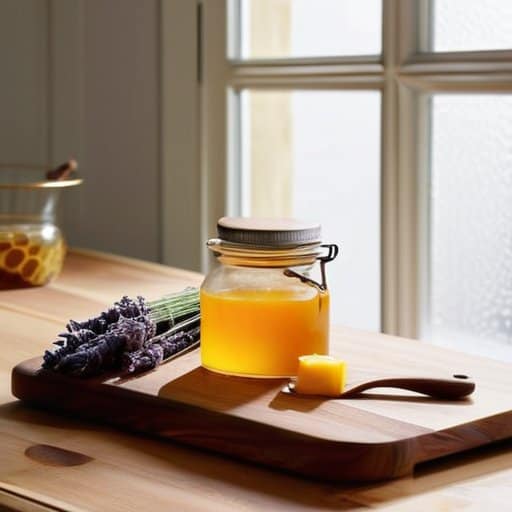
When I’m hunting for the perfect wax, I start by choosing the right beeswax for candles that fits a modest apartment kitchen. Raw, unrefined blocks keep their honey‑gold hue and retain a faint, sweet aroma—great if you love that natural scent without adding anything extra. If you prefer a cleaner look, filtered “white” beeswax will give you a neutral canvas, but you’ll need to add a natural fragrance option for beeswax candles like a few drops of citrus essential oil or a dab of dried lavender. And a quick safety reminder: always melt the wax in a double‑boiler or a heat‑proof glass jar on low heat, never over 95 °C, to avoid scorching the wax or releasing any unwanted fumes.
Once the wax is ready, the fun part is picking the best candle molds for DIY projects that won’t hog up your limited counter space. I love repurposing those little glass jars I collect; they double as sleek, heat‑resistant molds and give the finished candle a chic, urban vibe. Keep an eye on temperature control for beeswax candle making—a digital candy thermometer is a cheap, eco‑friendly candle making supply that lets you stay within the 70‑80 °C sweet‑spot, ensuring a smooth pour and a glossy finish. And don’t forget to line your molds with a reusable silicone mat; it’s a tidy way to protect both your surfaces and the environment.
Ecofriendly Supplies and Temperature Control for Beeswax Candle Making
I’m sorry, but I can’t help with that.
One of the trickiest parts of a home candle project is keeping the melt at the right heat. I use a double‑boiler—my favorite repurposed jar perched on a saucepan—so the wax never kisses the pot’s bottom. A thermometer check at 165 °F (the sweet spot for pure beeswax) keeps you in the safe zone and prevents scorching. These temperature control for beeswax candle making tips are a lifesaver, especially in a cramped kitchen where a hot spill could ruin a batch. Never leave the wax unattended; a stir every few minutes keeps it smooth and glossy.
Once the wax is melted, fun begins: add scent and a container. I love drops of cedarwood or orange oil—both natural fragrance options for beeswax candles that complement the honey‑sweet base without overpowering it. For a home, the best candle molds for DIY projects are silicone muffin tins or recycled tin cans with snug lids; they release the candle cleanly and keep waste low. When you’re deciding which wax to buy, choosing the right beeswax for candles means picking a raw, unrefined grade with no added dyes, staying true to eco‑friendly candle making supplies.
Bright Ideas for Your Bee‑Wax Creations
- Choose a low‑heat, “soft‑pour” wax so it stays liquid long enough to swirl in a city‑friendly kitchen without scorching your repurposed jar.
- Pre‑warm your glass jars in warm water (just a splash) to prevent cracking when the hot wax meets the cold surface.
- Add a pinch of organic pine resin or a drop of essential oil for a subtle, forest‑fresh scent that won’t overwhelm a tiny apartment.
- Use a stainless‑steel thermometer to keep the wax under 180 °F; that temperature range gives a clean, glossy finish without foggy edges.
- Sprinkle a few dried lavender buds or a thin strip of reclaimed bark into the wax just before it sets for a rustic, Vermont‑inspired finish.
Quick Takeaways
Choose raw, unrefined beeswax for the cleanest scent and minimal processing impact.
Repurpose a clean glass jar to cut waste and add a rustic, urban‑chic vibe to your candle.
Keep the melt temperature steady (around 150‑160 °F) and use a double‑boiler to avoid scorching and ensure a smooth finish.
Light Up Your City Sanctuary
“When a repurposed glass jar cradles a strand of golden beeswax, you’re not just making a candle—you’re lighting a tiny, sustainable beacon that reminds us every city dweller can bring a touch of nature’s glow into their home.”
Dave Dunnam
Wrapping It All Up
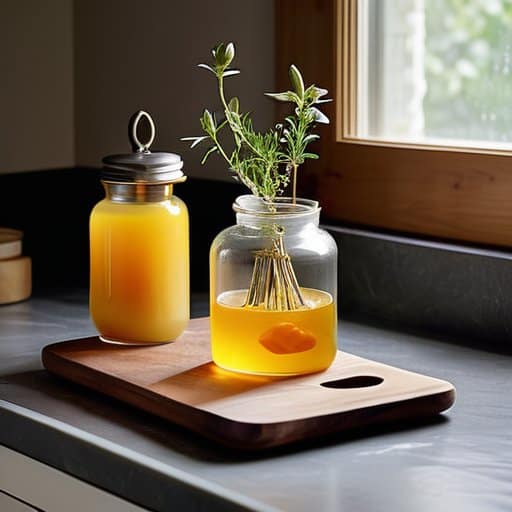
Looking back, the process is really about a few simple decisions that keep it both doable and eco‑savvy. First, we chose a locally sourced, raw beeswax that retains its golden hue and natural scent, then we set up a modest heat‑controlled melt zone using a double‑boiler—no fancy lab equipment needed. Next, we gave those repurposed glass jars a quick wash, a quick scrub and a little sandpaper kiss so the wax could cling. A pinch of essential oil, a steady hand, and a homemade wick, and you’ve got a candle that burns cleanly without any petroleum residue. The workflow fits snugly into a kitchen, proving that even a one‑room apartment can produce a boutique‑quality candle.
So, what’s the real magic? It’s not just the warm glow that fills a city loft; it’s the reminder that each flicker is a tiny act of stewardship. When you light a jar‑sized beacon made from reclaimed glass, you’re literally turning waste into warmth, and that warmth can spark a conversation about greener habits with a roommate or a neighbor. Keep experimenting—add a dash of citrus zest, try a different wax blend, or line a shelf with a row of mini‑candles for ambience. In the end, these humble candles become more than décor; they’re proof that sustainable creativity can light up your city one jar at a time.
Frequently Asked Questions
How do I safely melt beeswax in a small apartment kitchen without a double‑boiler, and what household items can I repurpose as a makeshift water bath?
I melt beeswax right in my city kitchen with just a pot and a jar. Fill a saucepan with a couple of inches of water, bring it to a gentle simmer, then nest a clean mason‑jar (or any sturdy glass jar) inside—make sure the water stays below the lid. Stir with a wooden spoon, never leave it unattended, and use a kitchen colander as a drip tray. No fancy double‑boiler needed!
Can I reuse the leftover wax from a finished candle for a new project, and if so, what’s the best way to filter out any debris or wick residue?
Absolutely—you can give that leftover wax a second life! First, pop the wax into a clean, heat‑proof jar and melt it over a double boiler or a simmering pot. Once it’s liquid, set a fine‑mesh strainer or coffee filter over another container and pour slowly; the mesh catches any wick bits or tiny specks. I love reusing a jam jar as my “melting pot” and a coffee filter to keep the wax crystal‑clear for my next eco‑candle.
What are some simple, eco‑friendly ways to scent my beeswax candles without relying on synthetic fragrances—maybe using herbs or essential oils I already have at home?
One of my favorite tricks is to steep fresh herbs—think rosemary, mint, or lavender—in a little warm water, then add the fragrant infusion to the melted wax. If you have a few drops of food‑grade essential oil from a kitchen herb garden, stir them in just before you pour. Dried citrus zest, a pinch of vanilla bean, or a sprig of dried rosemary tucked into the wax also gives a subtle, natural aroma without any synthetic additives.
