10 Mandela Effect Examples That Will Freak You Out!
Ever gathered with friends to talk about a classic movie and ended up confused? I remember a time when we were all excited about a Star Wars quote. But then, one friend said, “It’s, ‘Mirror, mirror on the wall!’” We all stopped, wondering if we were losing our minds or just our memory.
This moment, like many others, shows how our memories can differ from reality. It leads to surprises and realizations. The Mandela Effect is named after Nelson Mandela, who many thought had died in prison. It’s a mix of psychology, memory, and how we see reality.
It makes us question how many people can remember something wrong but with confidence. In this article, I’ll look at 10 shocking examples of the Mandela Effect. They might just surprise you.
Key Takeaways
- The Mandela Effect highlights collective misremembering.
- Psychological studies explore how false memories form.
- Many well-known brands and quotes are often recalled incorrectly.
- The term was coined in 2009 by Fiona Broome.
- Social media plays a significant role in spreading false memories.
Understanding the Mandela Effect
The Mandela Effect is a fascinating phenomenon that shows how collective memory can lead to widespread false recollections. Many people remember Nelson Mandela dying in the 1980s, when in fact he passed away in 2013. This concept delves into the psychology of memory and perception.
Definition of the Mandela Effect
The term “Mandela Effect” was coined in 2009 by Fiona Broome. She noticed a shared false memory about Nelson Mandela’s death. This phenomenon shows how groups can misremember events or details, leading to discrepancies in recall. It highlights our reliance on collective memory, where many believe a common fallacy as true.
The Psychology Behind the Mandela Effect
Psychology is key to understanding the Mandela Effect. Confabulation, where the mind creates memories without realizing it, can cause cognitive dissonance. Misleading information, often spread through social media, can make these false memories seem true. Studies show people often misremember things, like famous lines from movies or quotes from Snow White. This shows how our memories can be unreliable.
10 Startling Examples of the Mandela Effect
The Mandela Effect is when many people remember things wrong. It’s interesting to see how our memories can trick us. Here are some examples that show this strange effect.
Berenstein vs Berenstain Bears
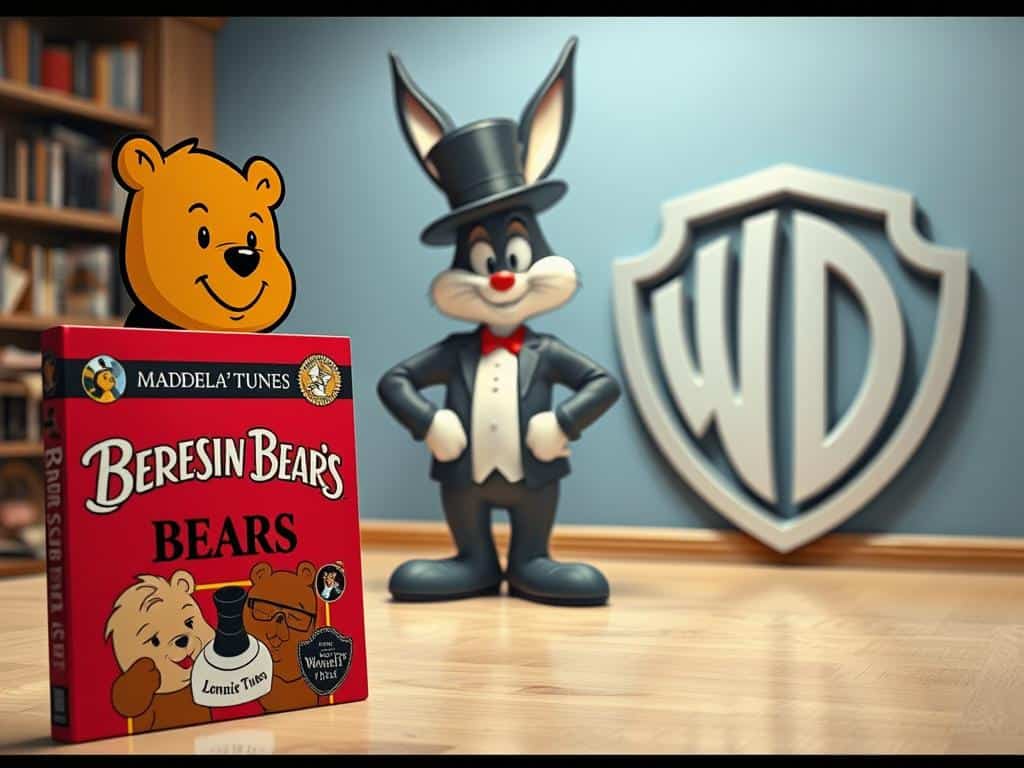
Many think the children’s book series is called “Berenstein Bears.” But it’s actually “Berenstain Bears.” This mistake makes us wonder about our collective memory.
The Iconic Star Wars Quote
Fans often say a famous line from Star Wars is “Luke, I am your father.” But it’s really “No, I am your father.” This shows how memories can change over time.
Mirror Mirror or Magic Mirror?
People often say “Mirror, mirror on the wall” from Snow White. But the real line is “Magic mirror on the wall.” This mix-up is common and shows how phrases can change.
Sex in the City vs Sex AND the City
The TV show is often called “Sex in the City,” but it’s really “Sex and the City.” This mistake shows how our memories shape what we think is true.
Chic-Fil-A vs Chick-Fil-A
Many call the fast-food chain “Chic-Fil-A,” but it’s actually “Chick-Fil-A.” This shows how brand names can get mixed up in our memories.
Flinstones vs Flintstones
Many spell the animated series as “Flinstones” instead of “Flintstones.” This mistake shows how the Mandela Effect can affect different things.
Jiff vs Jiffy Peanut Butter
The peanut butter brand is often called “Jiffy,” but it’s really “Jif.” This shows how brand names can lead to memory mistakes.
The Monopoly Guy’s Missing Monocle
Many think the Monopoly Man wears a monocle, but he doesn’t. This shows how visual details can create false memories.
Looney Toons vs Looney Tunes
Many call the animated series “Looney Toons,” but it’s really “Looney Tunes.” This mistake shows how we can misremember even well-known things.

Conclusion
The Mandela Effect shows us how our memories and reality can be complex. We’ve seen examples that make us question our memories, like Nelson Mandela’s death. These moments make us think about our own memories and if they’re true.
It teaches us that memories are not fixed but can change. This change comes from talking to others and what we see in the media. Studies show that all memories might not be perfect, making us think more about what we remember.
In the end, learning about the Mandela Effect makes me value memories more. It shows how our shared experiences can create false memories. This awareness helps us understand our world and how we think better.
