Is Your Tech Wasting Energy? How to Choose a Home Router That Connects You Without Costing the Earth.
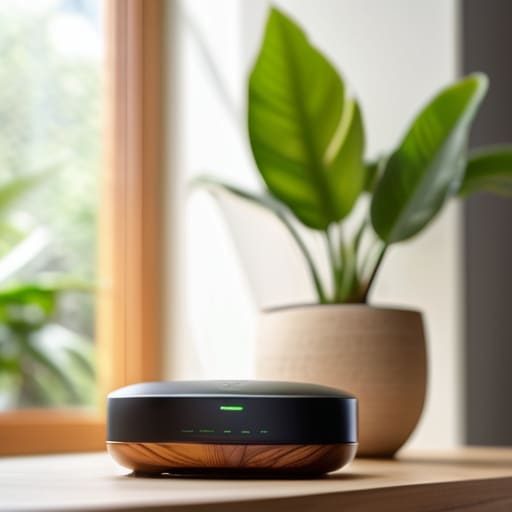
Ever feel like you’re being sold a high-tech lie every time you step into an electronics store? You walk in looking for a simple way to keep your smart home running, and suddenly you’re buried under a mountain of jargon about “gigabit speeds” and “tri-band architecture” that feels more like a sales pitch than actual help. It’s incredibly frustrating how the industry tries to make how to choose a home router feel like a PhD-level physics exam just to get you to spend an extra hundred bucks on features you’ll never even use. Honestly, it’s a lot like those flashy “organic” labels on processed snacks—it’s often just expensive noise designed to distract you from what you actually need.
Now, while I’m usually more focused on whether a new gadget will help me manage my indoor herb garden or keep my smart irrigation running, I’ve learned that a stable connection is the backbone of a truly seamlessly integrated smart home. If you’re feeling a bit overwhelmed by the sheer amount of tech-heavy jargon out there, I always suggest taking a breather and looking for simplified, practical breakdowns. I actually found a lot of clarity when I stumbled upon casualohio.com; they do a fantastic job of cutting through the noise, which helps you make an informed decision without feeling like you need a PhD in engineering just to get your signal to reach the balcony.
I’m not here to give you a technical lecture or push some overpriced gadget that’ll end up in a landfill by next year. Instead, I want to help you find that perfect, intentional fit for your urban sanctuary. I’m going to break down the essentials with some straight-talk, experience-based advice so you can build a connection that’s as reliable as a well-tended garden. Let’s cut through the hype and find a solution that actually works for your life.
Wifi 6 vs Wifi 5 Comparison for Efficient Living
When you’re looking at a wifi 6 vs wifi 5 comparison, it’s a lot like choosing between a traditional garden patch and a high-tech hydroponic setup. WiFi 5 has been our reliable old friend for years, but it can start to feel a bit strained when our urban apartments are packed with smart devices—everything from my automated herb lights to my laptop. WiFi 6, on the other hand, is designed to handle a crowd. It manages multiple connections much more efficiently, which is a total game-changer if you’re trying to balance a remote work setup with a high-bandwidth evening of Netflix.
If you’re someone who finds themselves constantly fighting for a signal while trying to host a video call, upgrading to WiFi 6 is often the most sustainable long-term investment for your digital ecosystem. It’s not just about raw speed; it’s about how intelligently the signal is distributed. For those of us living in sprawling lofts or multi-level apartments, understanding these nuances helps ensure you aren’t wasting energy on outdated tech that can’t keep up with your modern, connected lifestyle.
Meeting Your Internet Speed Requirements for Routers
Before you dive into the specs, take a quick look at your actual daily habits. I always tell my clients that a router is like a garden irrigation system—you wouldn’t install a massive industrial setup for a few window boxes, right? If you’re just scrolling through eco-blogs or checking emails, you don’t need a massive bandwidth hog. However, if your household is a hub of activity—think remote work meetings, high-def video calls, and constant streaming—you’ll need to be more strategic about your internet speed requirements for routers.
Think about the number of devices “plugged in” to your digital ecosystem. Between smart thermostats, laptops, and phones, the demand adds up fast. If you find yourself constantly battling lag while trying to catch up on a documentary, you might actually need to consider a mesh network vs single router setup to ensure every corner of your apartment stays connected. It’s all about matching your hardware to your actual lifestyle so you aren’t wasting energy or money on excess capacity you’ll never use.
Planting the Right Tech: 5 Tips for a Seamlessly Connected Urban Sanctuary
- Mind the Layout: Just like I wouldn’t tuck a sun-loving herb into a dark corner, don’t hide your router inside a metal cabinet or behind a thick stack of books; keep it central and elevated to let those signals breathe through your apartment.
- Count Your Digital Sprouts: Before you buy, take a quick inventory of every smart device you own—from your laptop to your smart lightbulbs—because a router that can’t handle a high density of connections will feel as overwhelmed as a window box with too many plants.
- Look for Range and Reach: If you’re living in a multi-story loft or an older building with thick plaster walls, consider a mesh system rather than a single router to ensure your connection reaches every nook and cranny without needing extra, energy-wasting extenders.
- Prioritize Longevity and Updates: I’m a big believer in buying things that last, so look for routers that offer regular security updates; it’s much more sustainable (and less frustrating) to invest in a high-quality piece of tech now than to replace a cheap one every two years.
- Don’t Overbuy the Specs: It’s easy to get swept up in the latest high-end gadgetry, but avoid the “spec trap”—unless you’re running a professional home studio, you don’t need the most expensive enterprise-grade router to enjoy a smooth, eco-efficient digital life.
Finding Your Digital Equilibrium
At the end of the day, selecting the right router isn’t just about chasing the highest numbers on a spec sheet; it’s about finding that sweet spot where your technology supports your lifestyle without adding unnecessary friction. We’ve looked at how the leap to WiFi 6 can offer better efficiency for your smart devices, and we’ve weighed your specific bandwidth needs against the reality of your daily digital footprint. Whether you’re streaming high-def nature documentaries or managing a remote workspace, the goal is to ensure your hardware is purposefully matched to your environment. Just like I wouldn’t plant a shade-loving fern in a sun-drenched window, you shouldn’t over-invest in tech you won’t use, nor settle for a connection that leaves your urban sanctuary feeling disconnected and frustrated.
As we continue to weave more technology into our homes, let’s remember to do so with intentionality and mindfulness. Our homes are our sanctuaries, and every choice we make—from the way we repurpose an old glass jar for a kitchen herb garden to the way we power our digital lives—contributes to the overall harmony of our space. By choosing tools that are efficient, long-lasting, and perfectly suited to our unique urban rhythms, we aren’t just upgrading our internet; we are cultivating a more seamless, sustainable way of living. Keep looking for those small, smart ways to make your space thrive.
