Electric vs. Traditional Fireplaces: Which is Best?
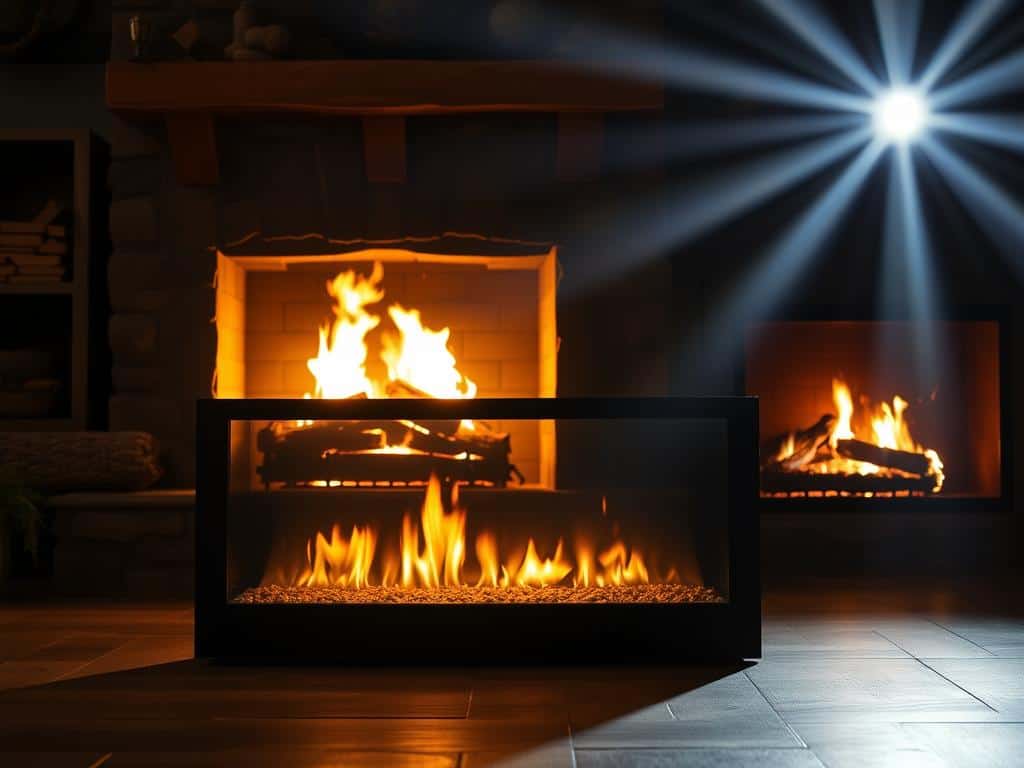
As autumn’s cool air arrives, I remember sitting by a friend’s wood-burning fireplace. The flames danced, and the wood’s scent filled the room. It was cozy and nostalgic. Yet, cleaning the ash was a hassle.
Recently, I looked for the perfect fireplace. I found a debate between electric and traditional fireplaces. Electric models are easy to use and don’t need cleaning. They offer warmth and style without the upkeep.
Choosing between electric and traditional fireplaces is not easy. It’s about comfort and efficiency in your home. Let’s explore the differences in installation, cost, maintenance, and ambiance. This will help you decide on the best fireplace for your home.
Key Takeaways
- Electric fireplaces convert nearly 100% of their energy into heat, making them very energy-efficient.
- Traditional wood-burning fireplaces can lose up to 90% of heat through the chimney.
- The installation of electric fireplaces is generally quicker and more straightforward than traditional models.
- Maintenance costs are significantly lower for electric fireplaces, averaging $100 to $300 less annually.
- Traditional fireplaces offer the rustic charm of real flames but require more upkeep and can create safety hazards.
Understanding Electric Fireplaces
Electric fireplaces are modern heating solutions that are efficient and easy to use. They create a cozy feel in homes without the hassle of traditional fireplaces. Using LED lights to mimic flames, they offer warmth and style without burning fuel.
What Are Electric Fireplaces?
Electric fireplaces don’t need a real flame to work. They use electricity to heat up areas up to 1,000 square feet, depending on the model. They have adjustable heat and high BTU outputs, making them very efficient.
They provide warmth and a nice look, making them a great choice for any home.
Types of Electric Fireplaces
There are many types of electric fireplaces to fit different needs and styles. Freestanding units are versatile and easy to move. Wall inserts offer a sleek look that fits right into your wall.
For those with traditional fireplaces, electric inserts can be a great upgrade. Each type has its own benefits, all while being eco-friendly.
Advantages of Electric Fireplaces
Electric fireplaces have many benefits. They’re eco-friendly, not producing harmful smoke or gases. They’re easy to install, needing no chimney or complex venting.
Maintenance is simple, often just changing bulbs every few years. They come with safety features like automatic shut-off and cool surfaces. This makes them a popular choice for those looking for a safe, stylish, and efficient heating option.
Traditional Fireplaces: The Classic Choice
Traditional fireplaces bring charm and a unique ambiance to homes. They have been a central part of homes for centuries. They serve as gathering places and sources of warmth.
These fireplaces come in wood-burning and gas options. Each type has its own history and beauty, adding to a home’s character.
What Are Traditional Fireplaces?
Traditional fireplaces are structures made to hold a fire. They are often built from brick, stone, or other strong materials. The real flames they produce add unmatched authenticity to a space.
Wood-burning fireplaces offer a rustic feel. Gas options are more convenient and clean. Both types create a classic ambiance that makes a room feel more inviting.
Types of Traditional Fireplaces
There are many types of traditional fireplaces. Open hearths let you see the flames directly, making them a room’s centerpiece. Enclosed fireplaces, with glass doors, are safer and keep heat better.
Wood stoves are great for secondary heating and add style. Gas inserts, like the Heirloom, are efficient and beautiful.
Advantages of Traditional Fireplaces
Traditional fireplaces have many benefits. They have a long history, symbolizing warmth and comfort. They create a cozy atmosphere, perfect for cold winter nights.
Wood-burning fireplaces offer a unique experience, despite being less efficient. Gas options are more efficient and easier to maintain. Regular cleaning is needed for wood-burning units, but gas ones require little upkeep.
The sound and smell of a wood fire are unmatched. It’s a key element in making my home welcoming.
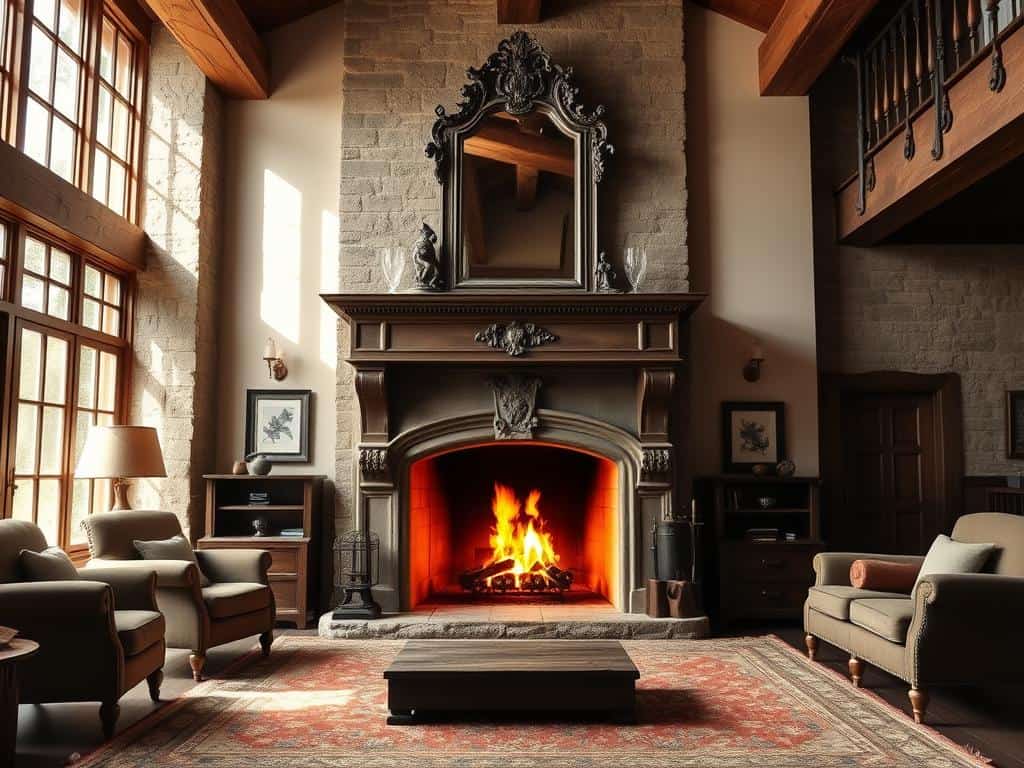
Home Fireplaces: Comparing Heating Efficiency and Installation
Choosing the right fireplace for your home involves looking at heating efficiency and installation needs. These factors help create a cozy and welcoming atmosphere. I’ll dive into the details of electric and traditional fireplaces, focusing on their heating efficiency, installation, and upkeep.
Heating Efficiency of Electric vs. Traditional
Heating efficiency is key for fireplace performance. Electric fireplaces are top-notch in this area, providing efficient zone heating with little energy loss. On the other hand, traditional wood fireplaces only keep about 25% of the heat, with most lost up the chimney. Gas fireplaces are more efficient than wood ones but only reach an AFUE of about 70%. This makes electric fireplaces stand out for their high efficiency and lower energy bills.
Installation Requirements for Both Options
Installation needs vary between electric and traditional fireplaces. Electric fireplaces are easy to set up, needing only a power source to work. Traditional fireplaces, though, require more work, including chimney services and structural changes. While the cost and time for installation differ, electric fireplaces are often cheaper and quicker to install, attracting many homeowners.
Maintenance Needs for Electric and Traditional Fireplaces
Maintenance affects the convenience and cost of owning a fireplace. Electric fireplaces need little care to keep running well. Traditional fireplaces, though, require regular cleaning and checks for safety and performance. Wood units add more upkeep, highlighting the ease of electric fireplaces in keeping your home cozy without hassle.
Conclusion
Looking into electric and traditional fireplaces, I found each has its own perks. Electric fireplaces are great for saving energy and money. They also need little upkeep. This makes them perfect for those wanting a warm spot without the hassle of wood or gas.
Traditional fireplaces, on the other hand, offer real warmth and a cozy feel. They might cost more to install and maintain. But, many people love the authentic warmth they bring to a home.
Choosing between electric and traditional fireplaces depends on what you need and want. Both types can make a home look better and increase its value. In fact, homes with fireplaces can sell for up to $25,000 more than those without.
Thinking about getting a new fireplace? It’s important to consider the good and bad of each option. Both electric and traditional fireplaces can make a home cozier. They’re great for enjoying time with family and friends.
