Is Your Apartment Suffocating You? 5 Nature-backed Ways to Improve Indoor Air Quality and Turn Your Urban Space Into a Living Ecosystem
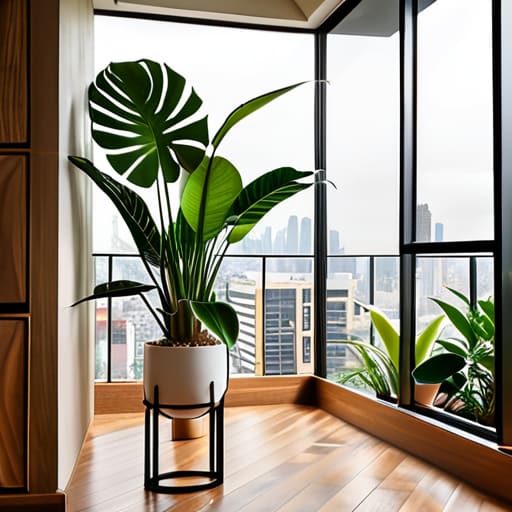
I remember standing in my first tiny studio apartment in the city, feeling completely suffocated by that heavy, stale scent of old carpet and cleaning chemicals. I had spent a small fortune on a high-tech, plastic-heavy air purifier that hummed like a jet engine, but honestly? It felt like a band-aid on a broken limb. It’s frustrating how much the industry tries to sell us expensive, gadget-heavy solutions when the real ways to improve indoor air quality are often much simpler, more organic, and far more affordable than those flashy machines suggest.
I’m not here to sell you on more electronic clutter that will eventually end up in a landfill. Instead, I want to share the practical, boots-on-the-ground methods I’ve gathered from my years in environmental science and my own journey of turning a concrete box into a living sanctuary. We’re going to look at low-tech, high-impact shifts—from the power of specific greenery to clever ventilation hacks—that actually work. My goal is to help you breathe easier by integrating nature back into your space, one small, intentional step at a time.
Unmasking Common Indoor Air Pollutants Hiding in Plain Sight
While I’ve always found that a well-placed snake plant or a lush pothos can work wonders, sometimes you need a bit more data to really understand what’s happening in your specific micro-environment. I’ve learned that getting precise is much more effective than just guessing which plants to buy, so I often suggest checking out this platform to get a clearer picture of the air quality trends in your area. It’s a total game-changer when you want to move beyond guesswork and start making truly informed decisions about how to curate your indoor sanctuary.
It’s easy to assume that if your apartment looks clean, the air is too. But honestly? It’s often a bit of a masquerade. We tend to focus on what we can see—dust bunnies under the sofa or a stray smudge on the window—but the real culprits are often invisible. I call them the “silent roommates.” I’m talking about common indoor air pollutants like Volatile Organic Compounds (VOCs) that off-gas from your cheap particle-board furniture or those scented candles we all love but might be overdoing. Even the cleaning supplies sitting under your sink can release chemicals that linger long after the floor is dry.
Then there’s the biological side of things. If you’ve ever felt a scratchy throat or dealt with a sudden bout of sneezing, you might be fighting a battle with reducing household allergens like pet dander or microscopic dust mites. I’ve learned the hard way that even a well-tended indoor jungle can sometimes contribute to high moisture levels, and the impact of humidity on air quality is huge; too much moisture, and you’re practically inviting mold to move in and start paying rent.
Natural Ways to Clean Air With Living Greenery
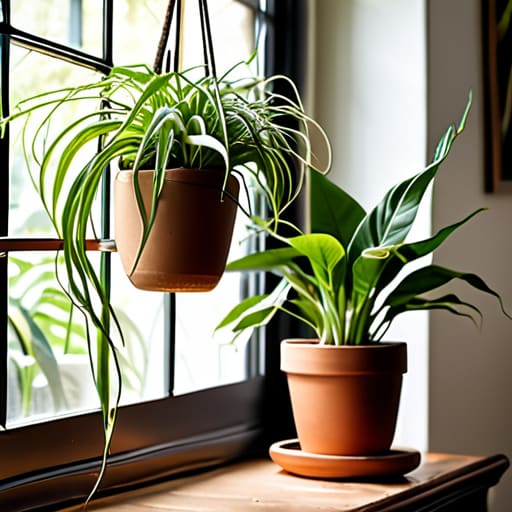
Now, let’s get to the fun part—the greenery! If you want to explore natural ways to clean air, there is honestly nothing more rewarding than bringing a bit of the wild into your living room. I always tell my clients that plants aren’t just decor; they are tiny, living filtration systems. While a high-end machine with HEPA air purifier benefits is great for heavy-duty cleaning, nothing beats the soul-soothing vibe of a lush Pothos or a sturdy Snake Plant. I actually just finished repurposing a few old pickle jars into hanging planters for some Spider Plants, and seeing them thrive on my windowsill makes the whole apartment feel more alive.
Beyond just looking pretty, these leafy companions play a massive role in managing the microclimate of your home. For instance, certain tropical varieties can help regulate moisture, which is crucial since the impact of humidity on air quality can dictate how much dust or mold you deal with. By strategically placing plants in your high-traffic zones, you’re essentially building a miniature, biological air purification network that works 24/7.
Small Shifts for a Breath of Fresh Air
- Open those windows! I know, I know—it might be a bit chilly or noisy out there, but even just ten minutes of cross-ventilation a day can flush out the stale, stagnant air that settles in our apartments. Think of it as a quick reset button for your home’s atmosphere.
- Ditch the synthetic scents. I used to love those heavy, aerosol air fresheners, but they’re basically just a cocktail of VOCs in a can. Instead, try simmering some citrus peels and rosemary on the stove, or use a few drops of essential oils in one of those old glass jars I’ve repurposed as a DIY diffuser.
- Master the art of the “low-dust” lifestyle. Dust isn’t just dirt; it’s often a mix of skin cells, pet dander, and outdoor pollutants. I’ve found that using a damp microfiber cloth instead of a feather duster actually traps the particles rather than just kicking them back up into your breathing zone.
- Keep an eye on your humidity levels. Living in a city can sometimes mean dealing with damp basements or overly dry, heated apartments. Aiming for that sweet spot between 30% and 50% humidity helps prevent mold growth and keeps your respiratory system happy.
- Be mindful of your cleaning cupboard. Many conventional cleaners are packed with harsh chemicals that linger in the air long after you’ve finished scrubbing. Switching to simple, plant-based alternatives like white vinegar and baking soda is a total game-changer for both your lungs and the planet.
Breathing Easy in the Concrete Jungle
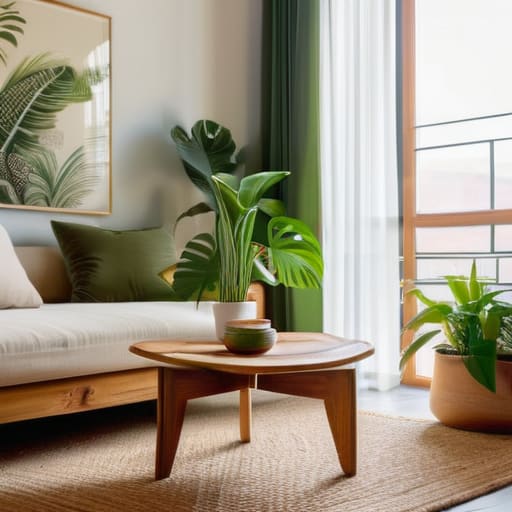
At the end of the day, improving your indoor air quality doesn’t require a massive lifestyle overhaul or a high-tech, expensive filtration system. It’s really about being a bit more mindful of the small things—swapping out harsh chemical cleaners for natural alternatives, being more selective about the products we bring through our front doors, and, of course, letting our leafy roommates do the heavy lifting. By identifying those hidden pollutants and embracing the power of greenery, you’re essentially reclaiming your personal ecosystem right in the middle of the city. It’s about making your apartment or condo a place where you can truly decompress and thrive without the invisible burden of stale, polluted air.
I know it can sometimes feel like our urban environments are designed to keep us disconnected from the natural world, but we have so much more agency than we realize. Every time you choose a potted fern over a synthetic air freshener, or repurpose an old jar to hold fresh herbs on your windowsill, you are making a radical act of stewardship. We might be living in boxes of brick and steel, but we can still cultivate a sense of vitality and freshness within them. Let’s take these small, intentional steps together to ensure that our homes aren’t just places where we sleep, but thriving sanctuaries that nourish our bodies and souls every single day.
