How to Build a Sustainable Fashion Lifestyle That Lasts
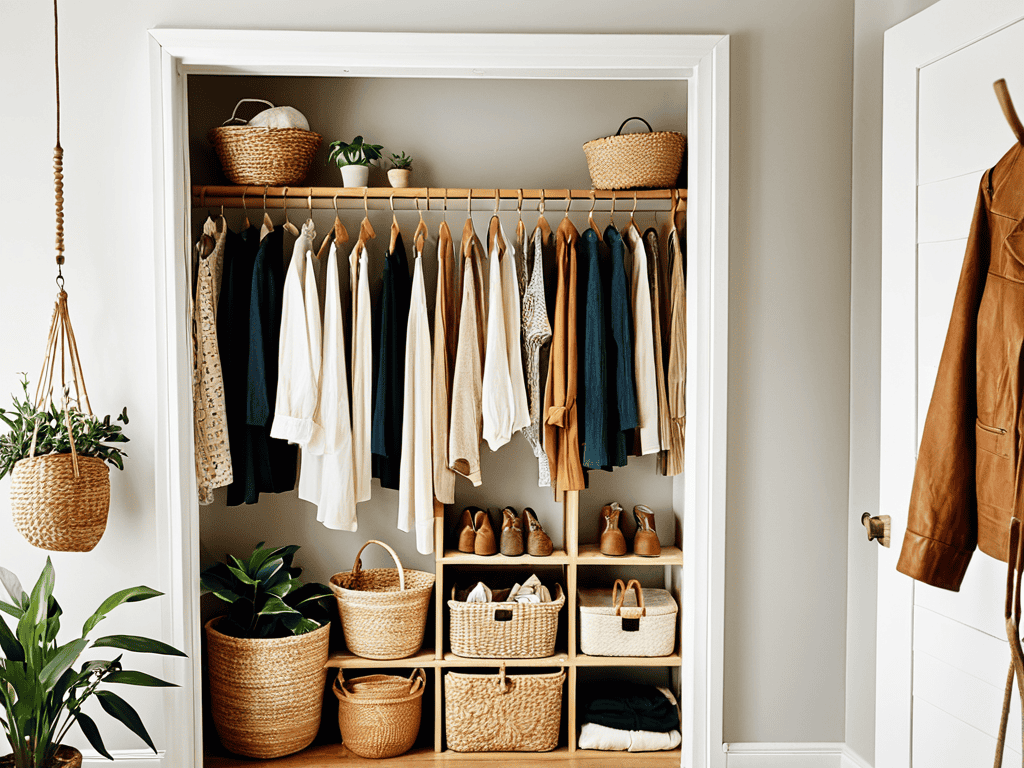
I still remember the day I stumbled upon a thrift store in my neighborhood, and it changed my perspective on how to build a sustainable fashion lifestyle. As I rummaged through the racks, I realized that fast fashion didn’t have to be the only option. The common myth that sustainable fashion is expensive or inaccessible is just that – a myth. In reality, it’s all about making intentional choices, like opting for second-hand clothing or investing in timeless pieces that won’t end up in landfills after a single season.
As someone who’s passionate about urban sustainability, I want to share my personal story and the lessons I’ve learned along the way. In this article, I’ll provide you with practical tips on how to cultivate a greener style, from swapping out synthetic fabrics for natural ones to repurposing old clothing items. You’ll learn how to build a sustainable wardrobe that not only reduces waste but also saves you money in the long run. By the end of this guide, you’ll be equipped with the knowledge and inspiration to make a positive impact on the environment, one outfit at a time.
Table of Contents
Guide Overview: What You'll Need
Total Time: several weeks to several months
Estimated Cost: $100 – $500
Difficulty Level: Intermediate
Tools Required
- Measuring Tape for taking body measurements
- Sewing Machine for altering or creating clothing
- Internet Connection for researching sustainable fashion brands and tips
Supplies & Materials
- Second-hand Clothing from thrift stores or clothing swaps
- Sustainable Fabrics such as organic cotton or recycled materials
- Clothing Repair Kit including threads, needles, and patches
- Eco-friendly Laundry Detergent for reducing environmental impact
Step-by-Step Instructions
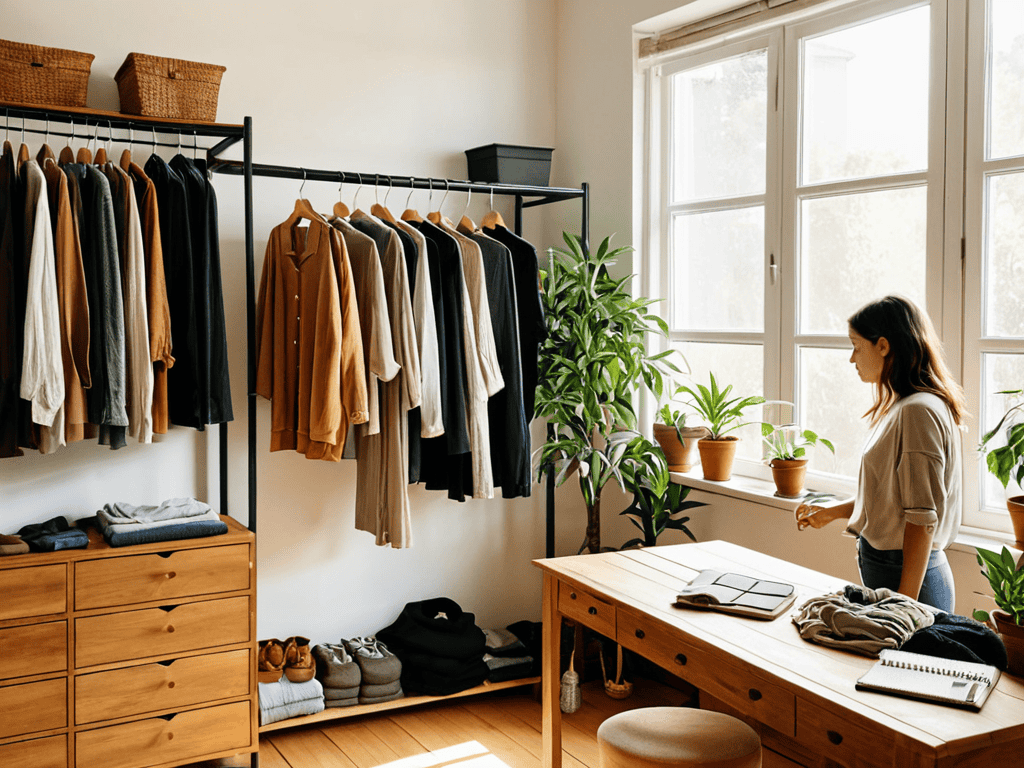
- 1. First, let’s start by assessing our current wardrobe, taking stock of what we already have, and identifying pieces that can be repurposed, repaired, or recycled. This step is crucial in understanding our consumption habits and reducing waste. We should consider the quality, versatility, and sentimental value of each item, and be honest about whether it truly brings us joy or serves a purpose.
- 2. Next, we need to adopt a mindful approach to shopping, focusing on purchasing high-quality, timeless pieces that align with our personal style and values. This means avoiding fast fashion and instead opting for sustainable materials, second-hand options, or investing in pieces from eco-conscious brands. We should also consider the lifecycle of each garment, thinking about how it will be cared for, worn, and eventually disposed of.
- 3. Now, let’s talk about clothing care, which plays a significant role in extending the life of our garments and reducing our environmental footprint. This includes washing clothes in cold water, line-drying instead of using a dryer, and avoiding fabric softeners or bleach. We should also learn basic repair skills, such as sewing buttons, fixing tears, and altering hemlines, to breathe new life into worn-out items.
- 4. The art of upcycling is another essential skill for building a sustainable fashion lifestyle. We can transform old or discarded items into unique, functional pieces, such as turning old t-shirts into reusable bags, creating quilts from fabric scraps, or repurposing vintage clothing into one-of-a-kind accessories. This creative process not only conserves resources but also fosters a sense of accomplishment and personal style.
- 5. To further minimize our impact, we should explore sharing and swapping options with friends, family, or online communities. This collaborative approach to fashion allows us to access new pieces without contributing to the demand for new, resource-intensive garments. We can also participate in clothing swaps, rent outfits for special occasions, or use online platforms that facilitate peer-to-peer sharing.
- 6. As we continue on this sustainable fashion journey, it’s essential to stay informed about the latest developments in eco-friendly materials, production methods, and brand transparency. We should support brands that prioritize sustainability, looking for certifications like GOTS (Global Organic Textile Standard) or Bluesign, which ensure that products meet rigorous environmental and social standards. By making conscious choices, we can drive change in the fashion industry and promote more responsible practices.
- 7. Finally, let’s not forget about end-of-life management for our clothing, which involves responsible disposal or recycling of garments that are no longer wearable. We can donate gently used items to local charities, participate in clothing drives, or use textile recycling programs that convert old fabrics into new products, such as rags, insulation, or even new clothing. By closing the loop on our fashion consumption, we can reduce waste and create a more circular, sustainable system.
Building Sustainable Style
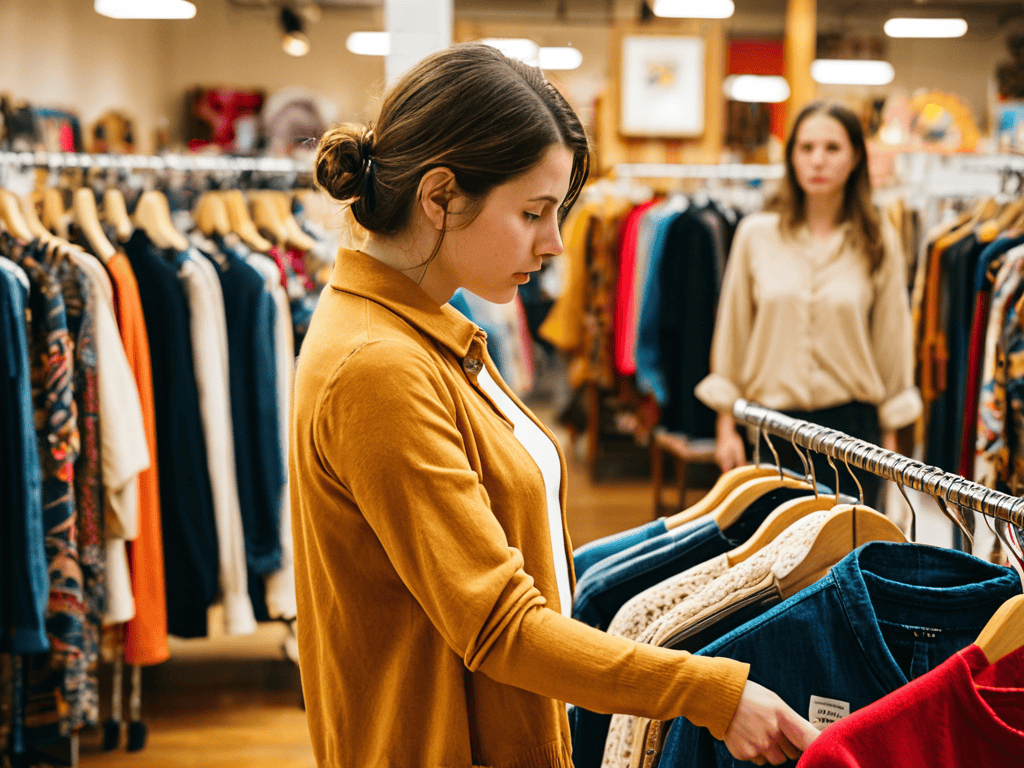
As I delve into the world of sustainable fashion, I’ve come to realize that embracing second-hand clothing is a game-changer. Not only does it reduce waste, but it also allows us to discover unique, one-of-a-kind pieces that add character to our wardrobes. I’ve found that scouring local thrift stores and attending clothing swap events can be a fun and creative way to refresh my style while minimizing my environmental footprint.
When it comes to new purchases, I look for eco-friendly fabric types that are gentle on the planet. From organic cotton to recycled materials, there are plenty of options available that not only reduce waste but also promote sustainable farming practices. By investing in a few minimalist wardrobe essentials, we can create a versatile, timeless look that’s both stylish and sustainable.
As a sustainability consultant, I’m always on the lookout for sustainable fashion brands that share my values. By supporting brands that prioritize eco-friendly practices and fair labor standards, we can promote positive change within the industry. Whether it’s through zero waste fashion tips or simply being more mindful of our purchasing habits, every small step counts in the journey towards a more sustainable fashion future.
Eco Friendly Fabric Essentials
When it comes to building a sustainable wardrobe, the fabrics we choose play a huge role. I’m a big fan of eco-friendly fabrics like organic cotton, hemp, and recycled materials. Not only are they gentler on the planet, but they’re also often softer on our skin. I’ve even started experimenting with natural dyes, like turmeric and indigo, to give my clothes a unique touch. By opting for these sustainable fabrics, we can significantly reduce our environmental footprint and create a wardrobe that’s both stylish and responsible.
As I continue on my journey to build a more sustainable fashion lifestyle, I’ve found that embracing local and community-driven initiatives is key to making a lasting impact. Recently, I stumbled upon a fantastic resource that has been a game-changer in my quest for eco-friendly fashion choices. While exploring the city, I discovered a wonderful platform that connects individuals with local, environmentally conscious businesses and services – it’s amazing to see how many like-minded people are working together to create a more sustainable future. For those looking to make a similar impact, I highly recommend checking out putas y escorts cerca to find inspiration and resources that can help you cultivate a more mindful approach to fashion and beyond.
As someone who loves urban foraging, I appreciate the connection between nature and the clothes we wear. By choosing eco-friendly fabrics, we’re supporting a more circular and regenerative approach to fashion. Plus, these fabrics often have a unique character that adds depth and personality to our wardrobe. Whether you’re shopping second-hand or investing in new pieces, look for these eco-friendly fabric essentials to elevate your sustainable style.
Second Hand Clothing Benefits
Second-hand clothing is a treasure trove of sustainable style. Not only does it reduce waste, but it also offers a unique opportunity to discover one-of-a-kind pieces that reflect our personalities. I’ve found some of my favorite items at local thrift stores, from a vintage band t-shirt to a cozy wool sweater. By choosing second-hand, we’re reducing the demand for resource-intensive new clothing and giving old favorites a new life. Plus, it’s a great way to refresh our wardrobes without breaking the bank. As someone who loves urban foraging, I see second-hand shopping as a similar adventure – you never know what hidden gems you’ll uncover.
Sustainable Style Essentials: 5 Tips to Green Your Wardrobe
- Ditch the fast fashion habit and invest in quality, timeless pieces that won’t end up in landfills after a single season
- Explore the world of second-hand clothing, from thrift stores to online marketplaces, to discover unique gems and reduce waste
- Get to know your fabrics: opt for eco-friendly materials like organic cotton, recycled polyester, and Tencel, which have a lower environmental impact
- Care for your clothes with love: learn to mend, repair, and properly wash your garments to extend their lifespan and reduce the need for new, resource-intensive purchases
- Embrace the art of mixing and matching: build a versatile wardrobe by combining pieces you already own, and get creative with styling to reduce the urge for constant new buys
Key Takeaways for a Sustainable Fashion Lifestyle
I’ve learned that ditching the fast fashion habit and opting for second-hand clothing, or investing in eco-friendly fabrics, can significantly reduce my environmental footprint and create a more conscious, greener style
By incorporating simple, intentional actions like choosing sustainable materials, repurposing old items, and embracing urban foraging principles in my daily life, I’ve found that even the smallest changes can add up to make a big difference in promoting a healthier planet
Ultimately, building a sustainable fashion lifestyle is about weaving wild, natural elements into our urban wardrobes, one thoughtful purchase at a time, and recognizing that our individual choices have the power to transform our communities and the environment for the better
Embracing the Art of Sustainable Style
As we weave sustainability into the fabric of our daily lives, let’s not forget that fashion can be a powerful tool for change – one that’s as much about personal expression as it is about preserving the planet for future generations.
Dave Dunnam
Embracing a Greener Tomorrow

As we’ve explored the world of sustainable fashion, it’s clear that making a positive impact on the planet is easier than we think. From embracing second-hand clothing to understanding the benefits of eco-friendly fabrics, every conscious choice we make brings us closer to a more environmentally aware lifestyle. By incorporating these practices into our daily lives, we not only reduce our carbon footprint but also contribute to a larger movement towards a healthier planet. It’s about making intentional decisions that align with our values, one outfit at a time.
So, let’s make a commitment to ourselves and to the planet to continue learning and growing in our sustainable fashion journey. As we move forward, remember that every small action counts, and together, we can create a significant impact. By choosing sustainable fashion, we’re not just changing our wardrobes; we’re changing the world, one garment at a time. Let’s weave a greener future, starting from our own closets.
Frequently Asked Questions
How can I balance my desire for stylish, on-trend clothing with the need to reduce my environmental impact?
For me, it’s all about embracing timeless pieces and investing in quality over quantity. I like to think of my wardrobe as a curated collection, where each item has a story and a purpose. By focusing on sustainable fabrics, second-hand scores, and versatile essentials, I’ve found that my style stays fresh without sacrificing the planet.
What are some creative ways to repurpose or upcycle old clothing items to reduce waste?
I love breathing new life into old favorites. Try turning vintage tees into reusable bags, or transforming faded jeans into quirky planters. You can also upcycle old sweaters into cozy pillow covers or stuffed animals. Get creative and give those old clothes a fresh purpose – it’s a great way to reduce waste and add some personality to your space!
Are there any affordable, eco-friendly fashion brands that offer high-quality, sustainable clothing options for urban dwellers?
I’ve got you covered. Brands like Patagonia, People Tree, and H&M’s Conscious line offer affordable, eco-friendly options. You can also find hidden gems at local thrift stores or online marketplaces like ThredUp.
