From Vermont Roots to Urban Realities: Is the High Price of Living Killing Our Connection to Community, and How the Cost of Going Out Has Changed?
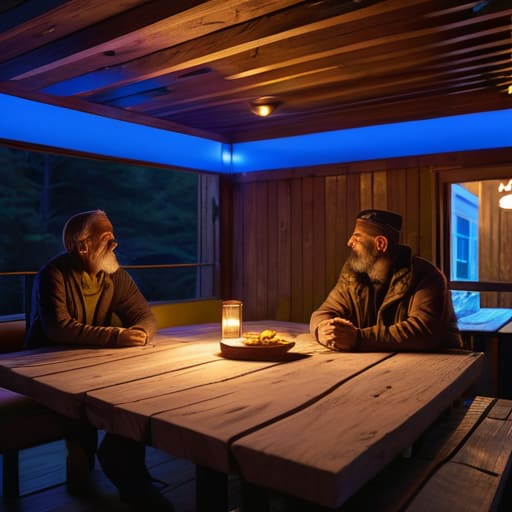
I was sitting in my favorite little corner cafe last Tuesday, staring at a receipt that felt more like a mortgage payment than a simple afternoon snack, and it hit me: we need to talk about how the cost of going out has changed. It’s not just that a latte costs more than it did a few years ago; it’s that the very idea of “socializing” in the city has become increasingly tied to high-consumption, high-waste experiences that drain both our wallets and our energy. I remember back in Vermont, a night out was just a walk through the woods or a shared meal made from what we gathered; now, it feels like you have to pay a premium just to exist in a public space.
I’m not here to tell you to stay home and hermit away, though. My goal is to show you that we can reclaim our urban joy without the massive price tag or the environmental guilt. I’m going to share some honest, low-impact alternatives—from hosting intentional potlucks in repurposed glass-jar lanterns to finding those hidden, budget-friendly pockets of community—so we can connect deeply without breaking the bank or the planet.
Navigating the Inflation Impact on Dining Out

I remember a few weeks ago, I was meeting up with a friend at our favorite local bistro—the one with the amazing herb garden out front—and we both just stared at the menu in a bit of shock. It wasn’t just a slight bump; the price of cocktails and restaurant meals has climbed so sharply that it feels like a different world than it did even two years ago. It’s not just about the food, though; it’s the sheer weight of the inflation impact on dining out that makes you pause before even ordering an appetizer.
What I’m noticing in my own life, and talking to so many other city dwellers, is a massive shift in how we approach our Friday nights. We aren’t necessarily wanting to stay in and hide away, but we are definitely becoming more intentional. We’re seeing these broader social spending trends in 2024 where people are choosing quality over frequency. Instead of three mediocre nights out, we’re opting for one truly meaningful gathering, often leaning into more sustainable, community-focused spots that offer real value without the inflated “lifestyle” markup.
The Rising Cost of Entertainment in Our Cities
It’s not just the dinner bill that’s hitting harder lately; it’s the entire ecosystem of how we play. I was chatting with a friend last week about how we used to grab a quick ticket to a local indie show or a museum without a second thought, but now, those little escapes feel like major financial decisions. We’re seeing a real shift in social spending trends 2024, where people are becoming much more intentional—or perhaps just more cautious—about where their hard-earned cash goes. It feels like every time I look at a concert flyer or a cinema listing, there’s an extra layer of “hidden” costs that weren’t there a few years ago.
This rising cost of entertainment is forcing us to rethink our Friday nights. Instead of the default move of heading to a crowded bar or a pricey venue, I’ve found myself leaning more into the “low-impact” lifestyle I talk about so much. I’ve started hosting more small gatherings at my place, using some of my old glass jars to make infused herb syrups for drinks—it’s much cheaper and honestly, way more meaningful. We’re all learning to navigate this new landscape, finding ways to stay connected without feeling the sting of every single transaction.
My Go-To Strategies for Keeping the Fun (and the Planet) Intact
- Lean into the “Picnic Pivot” by hosting potlucks or park hangouts; I’ve found that grabbing some local seasonal produce and meeting friends at a community garden is way more soul-filling than fighting for a cramped table at a pricey bistro.
- Master the art of the “Pre-Game Snack” to avoid those massive restaurant markup fees; I usually grab a quick bite at home or forage a little something from my windowsill herbs to tide me over so I’m only ordering one small appetizer instead of a full, expensive entree.
- Seek out “Low-Impact, High-Vibe” free events like outdoor movie nights or local museum free-days, which helps us reconnect with our city’s culture without the heavy price tag or the massive carbon footprint of a big commercial venue.
- Get creative with “BYO-Beverage” gatherings at home; instead of paying $15 for a cocktail, I love repurposing some of my old glass jars to make infused water or homemade botanical syrups—it’s a fun little project that saves a ton of money and reduces single-use waste.
- Embrace the “Slow Social” approach by choosing walking tours or nature walks over high-energy, high-cost entertainment; there’s something so grounding about exploring a new neighborhood on foot that a flashy, expensive club just can’t replicate.
Finding Our New Rhythm
Looking back at how much the landscape has shifted, it’s clear that the old way of “going out” is hitting a wall of both rising prices and environmental strain. Between the steep markups on dining out and the sheer cost of traditional entertainment, we’ve had to confront the reality that our urban social lives are becoming increasingly expensive. But as we’ve discussed, this isn’t just about the hit to our wallets; it’s an opportunity to rethink our relationship with the city. By pivoting toward more intentional, low-impact ways to connect—like hosting a potluck in the park or exploring free local cultural events—we can navigate these economic shifts without losing the social heartbeat that makes city living so vibrant.
At the end of the day, I truly believe that these growing pains are actually a nudge toward a more meaningful way of living. We don’t need a massive budget or a flashy venue to build community; sometimes, all it takes is a handful of repurposed glass jars filled with wildflowers and a few good friends on a stoop. Let’s stop measuring the quality of our nights out by the price tag on the receipt and start focusing on the depth of the connection we’re making. If we lean into these smaller, more sustainable ways of gathering, we won’t just be saving money—we’ll be building a resilient urban culture that actually nourishes us and the planet alike.
It’s also worth considering how we maintain our social connections when the “traditional” night out feels a bit too heavy on the wallet. I’ve found that shifting toward digital spaces or more intimate, low-cost ways to interact can really help bridge that gap without the constant pressure of a massive restaurant bill. For instance, if you’re looking for ways to meet new people or just engage in some casual, low-stakes conversation from the comfort of your own home, exploring free adult chat rooms can be a surprisingly effective way to stay socially active. It’s all about finding those alternative avenues for connection that don’t require a hefty cover charge or a three-course meal just to say hello.
