Food for Your Genes: the Future of Personalized Nutrition Based on Dna

I was hunched over my cramped kitchen counter, phone buzzing with a glossy report that promised to decode my diet from a cheek swab. The headline screamed personalized nutrition based on DNA, and my first thought was, “Great, another magic bullet that will finally tell me why my kale smoothies never work.” I laughed, because I’d already learned the hard way that a one‑size‑fits‑all supplement plan never survived my New York apartment’s limited fridge space. The truth? Your genetic code is a road map, not a ready‑made menu.
In the next few minutes I’ll walk you through the exact steps I use to turn that road map into a practical plate. We’ll demystify the lab report, pick out the three gene markers that actually matter for a busy urban palate, and match them with foods you can grow on a windowsill or forage from a rooftop garden (yes, even that wild dandelion you’ve been ignoring). By the end, you’ll have a checklist, a grocery‑list shortcut, and a plan to let your DNA guide—not dictate—your meals, all while keeping your apartment fridge organized and your carbon footprint low.
Table of Contents
- Project Overview
- Step-by-Step Instructions
- Urban Green Kitchen Personalized Nutrition Based on Dna
- Crafting Dnabased Diet Plans for Optimal Health
- How Genetics Shape Nutrient Absorption in City Kitchens
- 🔬 DNA‑Driven Dining: 5 Must‑Know Tips for City Foodies
- Quick Takeaways for DNA‑Based Urban Nutrition
- Your Genes, Your Plate
- Conclusion: Your DNA, Your Kitchen, Your City
- Frequently Asked Questions
Project Overview
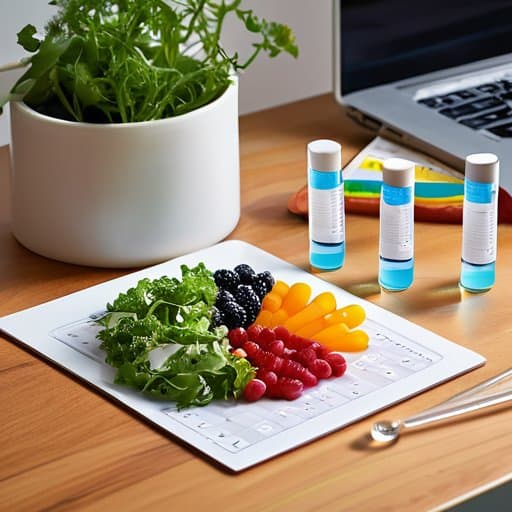
Total Time: 4 weeks (including sample collection, analysis, and meal plan creation)
Estimated Cost: $150 – $300
Difficulty Level: Intermediate
Tools Required
- Computer ((with internet access))
- Smartphone ((for app use))
- Spreadsheet software ((Excel, Google Sheets, etc.))
- DNA analysis software ((e.g., Promethease, NutriGene, or other genotype‑nutrition tools))
- Food scale ((for precise portion control))
Supplies & Materials
- DNA testing kit (e.g., 23andMe Health + Ancestry or AncestryDNA Health)
- Food journal or tracking app (to record meals, symptoms, and progress)
- Meal‑planning templates (printable or digital worksheets)
- Supplements (if recommended) (based on genetic insights and professional advice)
Step-by-Step Instructions
- 1. Kick off your DNA journey – First, pick a reputable at‑home DNA kit (think 23andMe, AncestryDNA, or a health‑focused service). Follow the kit’s instructions, swab your cheek, and mail the sample back. While you wait for the results, I like to line my kitchen counter with a stack of repurposed glass jars; they’ll come in handy for storing the fresh produce you’ll soon be picking based on your genes.
- 2. Unlock the raw data – Once your results land in your inbox, download the raw genetic file (usually a .txt or .zip). Then, head over to a free, science‑backed nutrition platform like nutri‑genome.org or DNAfit and upload the file. This is where the magic happens: the platform will translate your DNA into a list of actionable nutrition insights.
- 3. Decode your genetic clues – Focus on a handful of key markers: lactose tolerance (LCT gene), caffeine metabolism (CYP1A2), vitamin D synthesis (GC gene), and how you process fats (FADS1/2). Jot down what each marker means for you—e.g., “I’m a fast caffeine metabolizer, so I can enjoy that morning espresso without the jitters.” Keep this cheat sheet handy as you plan your meals.
- 4. Build a local, seasonal grocery list – Translate those gene‑based insights into real‑world food choices. If your DNA says you’re low on vitamin D synthesis, prioritize wild mushrooms and fortified plant milks from your farmer’s market. For a fast caffeine metabolizer, add in locally roasted coffee beans and green tea. I always scout the neighborhood CSA or rooftop garden for in‑season veggies that match my genetic needs—a win‑win for my health and the planet.
- 5. Meal‑prep with a sustainable twist – Design a week’s worth of meals that honor both your DNA and the city’s rhythm. Use my beloved glass‑jar containers to portion out salads, overnight oats, and snack packs—zero waste, zero hassle. For example, a quinoa bowl with kale (rich in calcium for those with low LCT activity) topped with locally sourced roasted carrots and a drizzle of lemon‑zest dressing.
- 6. Monitor, tweak, and celebrate – Over the next month, log how you feel after each meal: energy levels, digestion, mood, and even your carbon footprint (track grocery trips vs. bulk buying). If you notice that a certain fruit spikes your blood sugar despite a “sweet‑tolerant” gene, adjust portions or swap it for a lower‑glycemic option. Celebrate every small win—like discovering a new urban foraging spot for wild garlic that perfectly fits your personalized nutrition plan.
Urban Green Kitchen Personalized Nutrition Based on Dna

I’ve started treating my tiny apartment kitchen like a micro‑garden, and the trick that’s taken my meals from “just edible” to DNA‑based diet plans for optimal health is simply adding a dash of genetics to my grocery list. After a quick genetic testing for personalized meal planning (think a cheek‑swab kit you can order online), I learned that my “fast‑metabolizer” marker means I’m better at pulling the iron out of leafy greens but need a little extra vitamin D to keep my energy steady. So I line my repurposed glass jars with kale, beet tops, and a sprinkle of mushroom powder—ingredients my body is primed to absorb, thanks to the way my genes influence nutrient uptake. The result? A vibrant salad that tastes like a forest walk and actually fuels my city‑hustle days.
The next step is to let nutrigenomics and weight management strategies guide the way I batch‑cook. My latest epigenetic findings suggest that stress‑linked genes shift my carbohydrate cravings in the evenings, so I prep a batch of low‑glycemic quinoa‑veggie bowls that keep my blood sugar steady while I binge‑watch a documentary on urban foraging. By tracking genetic markers for metabolic rate optimization, I’ve learned to pair faster‑digesting carbs with a splash of lemon (which boosts absorption) and stash the mix in those same reclaimed jars for a quick, science‑backed snack. It’s a small, sustainable loop that turns my kitchen into a personalized nutrition lab—right in the heart of the city.
Crafting Dnabased Diet Plans for Optimal Health
I’ve found that turning those raw genetic reports into real‑world meals is where the magic happens, so I now rely on a tidy, browser‑based tool that lets me upload my DNA results and instantly generates city‑friendly grocery lists and recipe tweaks tailored to my unique nutrient profile; the platform—ao huren—walks me through each step, from decoding my gene‑based lactose tolerance to suggesting the perfect kale‑infused stir‑fry for my rooftop balcony garden, and the best part is that it syncs with my pantry inventory so I never overbuy, keeping my compost bin light and my meals truly personalized.
When my DNA report landed, I zeroed in on three takeaways: lactose‑intolerance, a super‑charged folate pathway, and moderate caffeine sensitivity. I turned that into a city‑savvy grocery list—heirloom carrots for folate, oat‑based smoothies instead of dairy, and matcha in place of espresso. All the fresh finds go straight into repurposed glass jars I’ve customized with twist‑top lids, keeping them crisp on my windowsill garden.
Each Sunday I draft a five‑day menu that mirrors my DNA‑driven macro goals while staying seasonal. I toss foraged dandelion greens into a quinoa bowl, add a handful of local kale for that folate kick, and drizzle a lemon‑zest vinaigrette stored in a reused jar for flair. I then track energy, digestion, and mood, tweaking portion sizes and spice blends as my body whispers the balance. The result? A diet that feels like a garden on my plate.
How Genetics Shape Nutrient Absorption in City Kitchens
Ever notice how a kale smoothie leaves you buzzing one day but feels… off the next? That’s not just mood—it’s your DNA whispering. Genes like CYP1A2, MTHFR, and lactase‑persistence dictate how efficiently we break down caffeine, folate, or dairy, and in a cramped kitchen those differences become amplified. I’ve started mapping my own variants with a simple at‑home kit, then matching my apartment garden’s micro‑greens, foraged dandelion leaves, and orange carrots I store in repurposed glass jars. By pairing a high‑folate MTHFR‑variant with a drizzle of lemon‑zested beet juice, I’m boosting absorption that would otherwise stall. Meanwhile, my lactose‑intolerant neighbor swaps oat milk for a fermented oat kefir, letting his gut microbes do the lifting. Understanding these genetic quirks lets us design kitchen routines—like timing a vitamin‑C‑rich snack before iron‑dense beans—to turn any apartment into a real, powerful nutrient‑factory.
🔬 DNA‑Driven Dining: 5 Must‑Know Tips for City Foodies

- Decode your genetic snack cravings: use a reputable DNA test to pinpoint your sweet, salty, and bitter taste‑gene markers, then stock your pantry with foods that satisfy those cravings without overindulging.
- Match your macro‑needs to your metabolism genes: if your DNA shows a fast‑burning carbohydrate profile, prioritize whole‑grain carbs and fiber; if it flags a fat‑processing edge, embrace healthy fats like avocado and nuts.
- Tailor micronutrient boosters to your DNA: discover if you’re a low‑vitamin‑D or low‑B12 absorber and keep a city‑friendly supply of fortified foods, mushrooms, or a daily supplement that fits your apartment kitchen.
- Plan your urban garden around your genes: grow leafy greens high in the nutrients your DNA struggles to absorb—think kale for iron‑deficient genotypes or spinach for calcium‑leaning ones—right on your balcony or windowsill.
- Track your DNA‑guided meals with a simple app: log what you eat, note how you feel, and let the data reveal patterns that let you fine‑tune portions, timing, and snack choices for optimal energy in the hustle of city life.
Quick Takeaways for DNA‑Based Urban Nutrition
Your genetic blueprint can guide which city‑grown foods boost your energy, so test your DNA and match meals to your unique metabolism.
Simple kitchen hacks—like pairing locally foraged herbs with your genotype‑specific nutrient needs—make personalized nutrition doable in any apartment.
Track how your body responds, adjust recipes, and share results with fellow urban eaters to build a community of genetically informed, sustainable chefs.
Your Genes, Your Plate
When the city kitchen meets your DNA, every bite becomes a step toward a greener future.
Dave Dunnam
Conclusion: Your DNA, Your Kitchen, Your City
In this guide we’ve walked through how a simple cheek swab can translate into a kitchen‑ready roadmap for city dwellers. By decoding your genetic markers, you can pinpoint which vitamins you’ll absorb most efficiently, which foods might trigger inflammation, and where you can harvest the most bang‑for‑the‑buck in a compact urban garden. We explored practical steps—from ordering a reputable DNA kit, to mapping your results onto seasonal produce available at local farmers’ markets, and finally crafting a weekly meal plan that aligns with both your genetic profile and your apartment’s limited counter space. The result is a truly nutrient‑focused approach that respects your body’s unique chemistry while keeping your meals sustainable and delicious.
Armed with that DNA‑driven insight, you’re ready to turn your balcony into a test kitchen for personalized health. Imagine planting kale that your genome tells you absorbs calcium best, or swapping a high‑oxalate beet for a low‑oxalate heirloom tomato because your genes flag kidney‑stone risk. Each bite then becomes a data‑backed act of stewardship—fueling your body, reducing food waste, and supporting local growers who share your sustainability ethos. Let this be your invitation to join a growing community of urban eco‑warriors who use personalized nutrition not as a passing trend but as a catalyst for urban eco‑empowerment, one DNA‑informed, garden‑fresh plate at a time.
Frequently Asked Questions
How can I get my DNA tested and what kind of sample do I need to provide?
Sure thing! First, pick a reputable DNA‑testing service—many offer kits you can order online or grab at a local health store. The kit will include a small, recyclable tube, a cheek‑swab (or a tiny saliva sample), and clear instructions. Just swab the inside of your cheek or spit into the collection tube, seal it up, and ship it back in the pre‑paid envelope (most companies use eco‑friendly packaging). Within a few weeks you’ll get a digital report that you can start using to personalize your urban‑kitchen nutrition plan. Happy testing!
What specific nutrients or diet tweaks might my genetic results suggest for someone living in a city apartment?
If my DNA says I’m a “low‑D‑absorber,” I’ll stock my windowsill herb garden with vitamin‑D‑rich mushrooms and keep a sunny spot for a few daily minutes of UVB exposure. A “fast‑metabolizer of caffeine” gets me swapping that double‑shot espresso for a matcha‑green‑smoothie, while a “high‑sensitivity to iron‑deficiency” nudges me toward leafy greens from my balcony garden and a quick‑simmered lentil stew. And whenever my results flag a “low‑Omega‑3” gene, I’ll toss a handful of locally sourced chia or flax into my city‑apartment salads—all served from repurposed glass jars that double as chic storage.
Will personalized DNA‑based nutrition plans consider my lifestyle factors like limited kitchen space and busy urban schedule?
Absolutely—most DNA‑driven nutrition platforms ask about your daily routine, kitchen dimensions, and time constraints before building your plan. They’ll suggest compact, nutrient‑dense meals you can prep in a single pot, store in repurposed glass jars, and whisk together in under 15 minutes. Think of it as a personalized, city‑friendly cookbook that respects your schedule, maximizes the space you have, and still gives you the genetic‑tailored fuel you need for optimal well‑being and lasting energy.
