The Science Behind Digital Clones—What’s Coming Next?
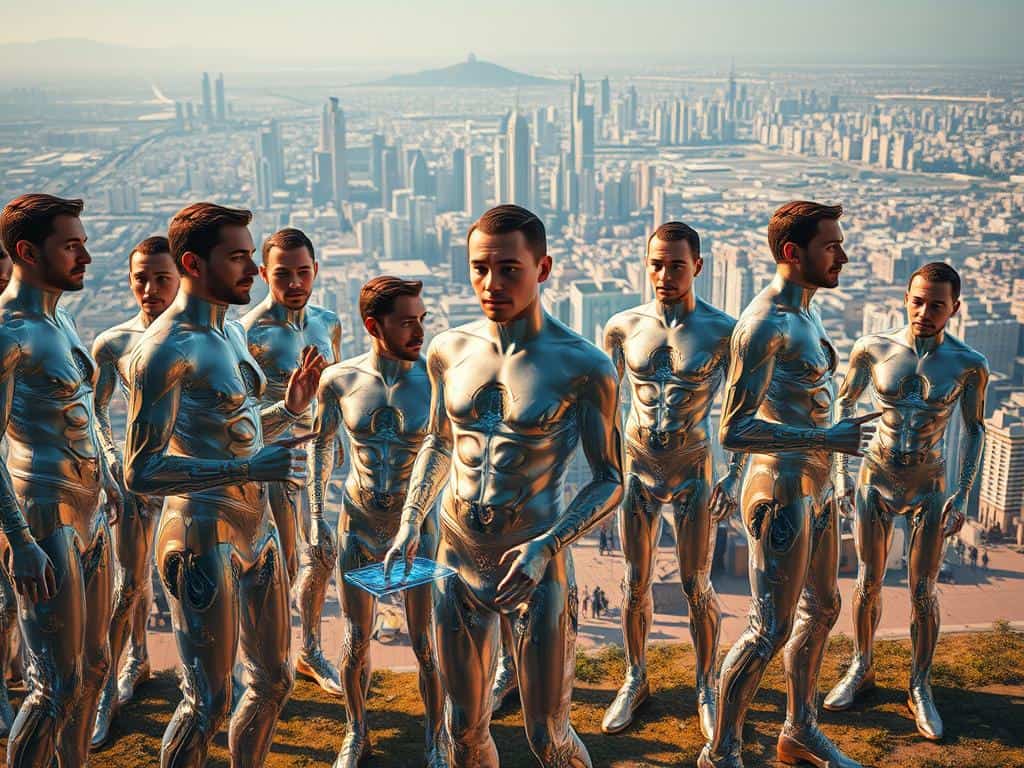
In a bustling city, I was in a coffee shop when I overheard a conversation. Two tech fans were talking about digital twins and how they’re changing how we communicate. They mentioned companies like Delphi, which lets users create virtual versions of themselves.
This technology is exciting but also raises ethical questions. It’s not just about making things easier; it’s about how we see ourselves and others in the digital world.
Before that, I read a study that showed people are both fascinated and uneasy about digital cloning. A TV station in Warsaw tried using AI hosts but quickly switched back to real people. This shows how technology can both thrill and unsettle us.
As we dive into digital twins and cloning, we wonder about our future interactions. With tools like Meta’s Creator AI, we’re just starting to see what’s possible. Let’s look at the science behind these exciting developments.
Key Takeaways
- Digital twins are realistic replicas of individuals created using advanced technology.
- Companies like Delphi enable seamless communication through virtual doubles.
- Advances in artificial intelligence enhance the mimicry of human traits.
- Public perception is mixed, with some finding digital clones unnerving.
- Ethical concerns around consent and authenticity arise in the digital cloning space.
- Meta’s Creator AI tool exemplifies current innovation in digital cloning.
The Rise of Digital Twins in Modern Technology
Technology is changing fast, thanks to Digital Twins. This new area uses digital cloning to make real-life copies for different uses. It started with the Apollo missions, showing how far we’ve come in 40 years.
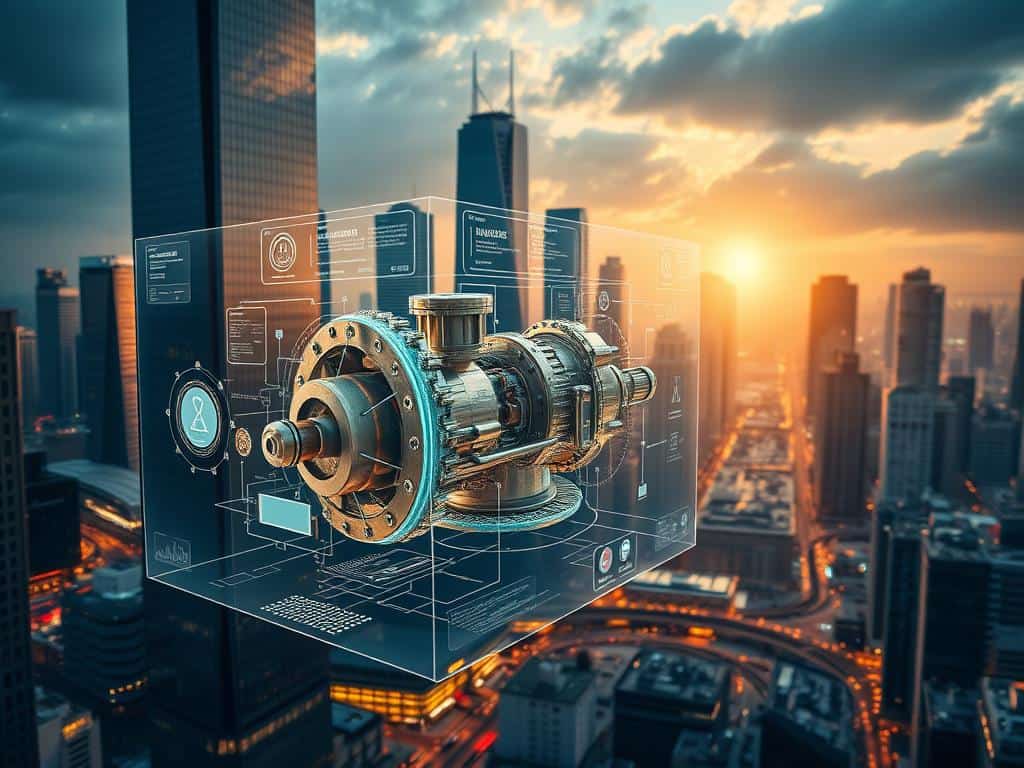
Understanding Digital Cloning
Digital cloning makes virtual copies of real things using AI and data. It helps predict how products will work before they’re made. This lets companies test and fix problems before they start making things.
Big names like Siemens, IBM, and Microsoft are leading this change. They show how Digital Twins can help many areas.
Applications Across Industries
Digital Twins help many fields. In making things, they watch how things work and fix problems early. They also help in healthcare, like making a digital human for research.
This could change how we test drugs and prevent injuries. The market for Digital Twins is growing fast, expected to hit $73.5 billion by 2027. Over 70% of top tech leaders are already looking into it.
As more industries use Digital Twins, we’ll see better efficiency and quality. This could change how businesses work.
The Role of AI and Innovation in Digital Clones
Artificial Intelligence is key in making digital clones better. It uses complex algorithms to study and copy unique traits. This AI tech makes creating digital clones fast, leading to new ideas in many fields.
Digital clones can mimic human voices, how we interact, and even our emotions. This is all thanks to deep data analysis.
AI Mechanisms Behind Cloning
Creating digital twins depends a lot on AI and IoT sensors. These sensors collect data in real-time. This makes sure the digital clone is accurate and works well.
AI also helps with predictive analytics. This is important for making big business decisions. Keeping data accurate is key for using digital twins in the metaverse.
Implications for the Metaverse
Digital twins in the metaverse are big news. They make virtual experiences more real by using virtual avatars. This is changing how we interact in virtual worlds.
But, there are concerns about data privacy and control over our digital selves. As this tech grows, we need to think about how to handle it responsibly.
Conclusion
Digital twins are changing many fields, thanks to artificial intelligence. They bring big improvements, like a 30% boost in efficiency for some companies. They also help cut costs by 10-20%, making businesses more profitable.
But, there are also concerns about digital twins. They can make our personal interactions feel less human. We need to make sure they don’t take away from our human connections.
In the end, digital twins are set to change our world a lot. They offer great chances but also bring big challenges. We must be careful as we move forward, making sure technology and humans work well together.
