Cultivating Financial Roots: What a Credit Score Does and Does Not Mean for Your Urban Ecosystem
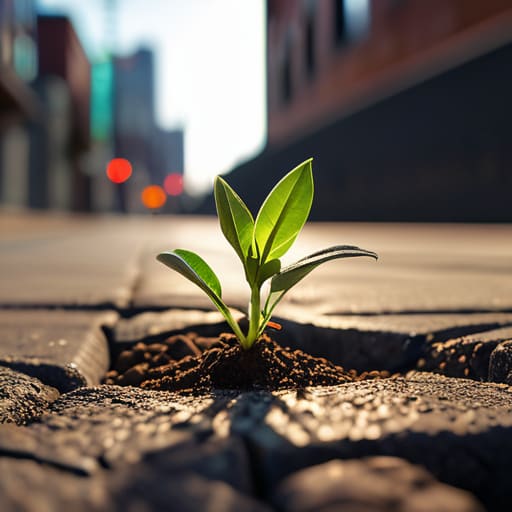
I remember sitting on my fire escape last summer, nursing a lukewarm coffee and staring at a daunting loan application, feeling like my entire worth was being boiled down to a single, arbitrary number. It’s incredibly frustrating how we’ve been conditioned to view this digit as a definitive judgment on our character, rather than just a snapshot of a specific financial behavior. There is so much noise out there—mostly from people trying to sell you a quick fix—that obscures the reality of what a credit score does and does not mean for your actual life. It’s not a measure of your integrity or your ability to build a meaningful future; it’s simply a metric of your financial soil quality.
I’m not here to give you a lecture or sell you a “get rich quick” scheme. Instead, I want to pull back the curtain and show you how to navigate this system with the same intentionality we use when tending to an urban garden. I promise to provide you with a straight-shooting, practical guide that separates the useful data from the useless hype. We’re going to look at how to cultivate a healthy score without letting it consume your identity, ensuring you have the financial resilience needed to thrive in the city.
Nurturing Growth Through Key Factors Affecting Credit Score
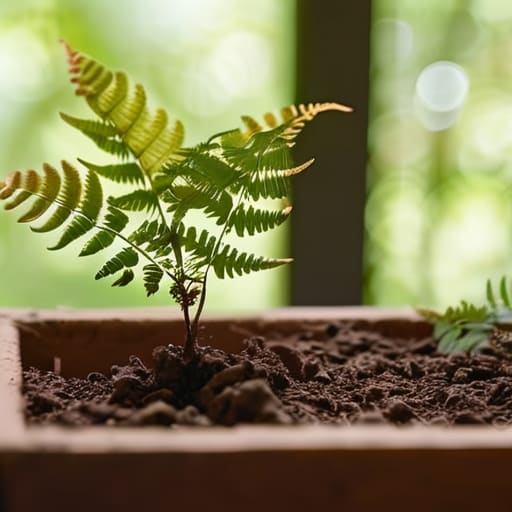
Just like when I’m out foraging for wild ramps or stinging nettles, you can’t just look at the surface; you have to understand the soil and the environment that allows things to thrive. When it comes to your financial health, there are several specific factors affecting credit score that act like the nutrients in that soil. Your payment history is the bedrock—the steady rainfall that keeps everything stable—while your total amount of debt represents the competition for resources. If you’re constantly overextending, it’s like trying to grow a massive oak tree in a tiny, nutrient-depleted window box; eventually, the system just can’t sustain the growth.
One of the most overlooked elements in this ecosystem is understanding credit utilization ratio. Think of your available credit like a water reservoir; if you’re constantly draining it to the very bottom every month, you’re signaling that your resources are precarious. Keeping that usage low ensures your “financial garden” remains resilient. It’s also vital to distinguish between your credit score vs credit report, as the report is the detailed map of every plant in your garden, while the score is simply the quick health check of the entire landscape.
Pruning Common Credit Score Misconceptions From Your Mindset
Just like when I’m out foraging for ramps or wild garlic, it’s easy to mistake a bit of green debris for the real prize. In the world of finance, we often fall into the same trap with common credit score misconceptions. One of the biggest myths I hear is that your credit score and your credit report are the same thing. In reality, think of your credit report as the detailed soil analysis—it’s the raw data of your entire history—while your score is just the single number that summarizes how healthy that soil looks at a glance. You can have a pristine report but still see a dip in your score if you aren’t careful with how you manage your accounts.
Another weed that needs pulling from your mindset is the idea that your score is a static, unchangeable destiny. People often worry that one mistake will ruin them forever, but credit is much more organic than that. It’s about consistent, intentional cultivation. While things like how credit scores impact loan rates can feel intimidating, remember that your score is a living metric that responds to your current habits, not just your past errors.
Tending Your Financial Soil: 5 Ways to Manage Your Score Without Losing Sight of the Big Picture
- Treat your score like a seasonal garden, not a permanent statue. Just because you had a rough winter with some unexpected expenses doesn’t mean your entire ecosystem is ruined; with consistent care and the right “nutrients”—like on-time payments—your financial health will bounce back.
- Don’t mistake the thermometer for the weather. A credit score is a great way to measure the current “temperature” of your creditworthiness, but it doesn’t tell you anything about the richness of your actual wealth or the stability of your long-term financial landscape.
- Focus on the roots, not just the leaves. While it’s tempting to obsess over every single point fluctuation, remember that the deep roots—your total debt-to-income ratio and your long-term payment history—are what actually sustain your financial stability during a storm.
- Use your “jars” wisely by diversifying your credit. Much like I use different old glass jars for everything from herb seedlings to pantry staples, having a mix of different types of credit (like a credit card and a small loan) shows lenders you can manage a diverse financial ecosystem.
- Avoid the trap of “perfect” thinking. You don’t need a flawless, untouched landscape to be successful; a healthy, functional credit score is about resilience and responsible management, not about having a sterile, error-free existence.
Cultivating Your Financial Future
As we’ve explored, your credit score is far from a definitive judgment on your character or your worth as a person. It’s really more of a snapshot—a single season’s report on how you’ve managed your financial soil through payment history, credit utilization, and debt management. While it plays a massive role in determining your ability to plant roots in a new apartment or secure a loan for a small business, it doesn’t account for the resilience and grit you show when things get tough. Just like a garden, you can’t fix everything overnight, but by focusing on those core nurturing habits and pruning away those misconceptions we discussed, you can steadily build a much more robust and reliable financial ecosystem.
At the end of the day, don’t let a three-digit number overshadow the bigger picture of your life’s journey. I like to think of my collection of old glass jars; some are perfectly clear and ready to use, while others have a bit of wear and tear, but they all serve a beautiful, functional purpose in my home. Your financial life is much the same. It’s a continuous process of intentional growth and adaptation. Keep tending to your habits, stay patient with the seasons of change, and remember that you are the primary architect of the life you want to build. Let’s keep growing, one small, sustainable step at a time.
While we’re busy weeding out those misconceptions, it’s also worth remembering that building a solid financial foundation requires the right tools, much like how I wouldn’t dream of starting a new herb garden without a reliable trowel. If you’re looking to streamline how you manage your day-to-day life and keep your urban ecosystem running smoothly, I’ve found that checking out CasualNY can be a total game-changer for finding those practical efficiencies that save you both time and mental energy. It’s all about finding those small, intentional shortcuts that allow you to focus more on the big picture—like growing your credit or finally turning that collection of old pasta sauce jars into a beautiful windowsill herb garden.
