Cultivating Connection: Why Learning How People Make New Friends as Adults Is Just Like Tending an Urban Garden
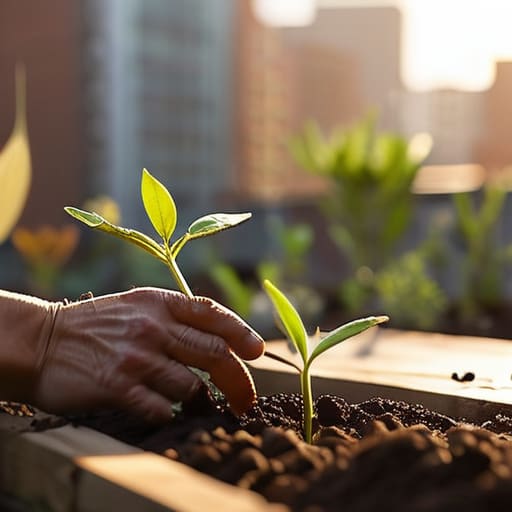
I remember sitting on my fire escape last Tuesday, nursing a lukewarm coffee and watching the sunset hit the brickwork of the building across the street. I realized then how much the “urban jungle” can actually feel like a desert of isolation, despite being surrounded by millions of souls. We’re often told that making connections requires expensive networking mixers or high-octane social butterfly energy, but that’s just not how it works in the real world. The truth about how people make new friends as adults is much less about grand gestures and much more about intentional cultivation—similar to how you’d nurture a stubborn patch of wild mint in a cracked sidewalk.
I’m not here to sell you on some superficial “social hack” or a list of trendy clubs that’ll leave you feeling more drained than when you arrived. Instead, I want to share what I’ve learned from years of navigating city life and building a community from the ground up. We’re going to dive into some practical, low-pressure strategies for finding your tribe by leaning into shared interests and authentic spaces. Think of this as a blueprint for growing your own social ecosystem, one meaningful connection at a time.
Finding Community in New Cities Through Shared Roots
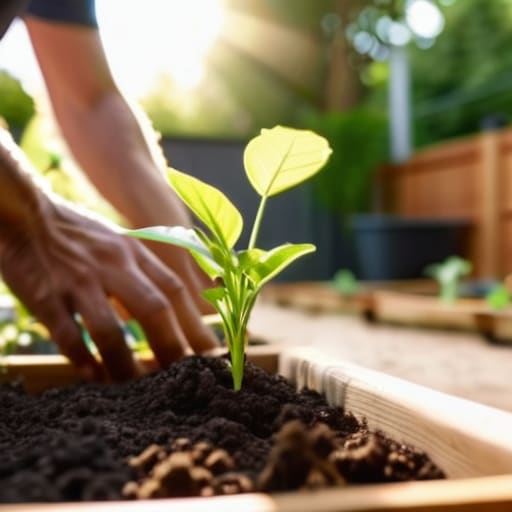
Moving to a new city can feel a bit like transplanting a delicate seedling into unfamiliar soil; there’s that initial shock to the system before you can really settle in. When I moved to the city after college, I felt that same disorientation, staring at the skyline and wondering where I’d actually belong. I found that finding community in new cities isn’t about finding a pre-made group, but about actively seeking out spaces where people are already doing the work. For me, that meant stepping into local community gardens and neighborhood cleanup crews.
There is something uniquely grounding about working side-by-side with strangers toward a common goal. I’ve found that making friends through volunteering takes a massive amount of the pressure off because the focus isn’t on performative small talk; it’s on the task at hand. Whether you’re digging in a communal plot or sorting donations at a local pantry, these shared missions act as a natural catalyst for conversation. It’s much easier to let a connection grow organically when you’re both focused on nurturing something larger than yourselves.
Building Meaningful Connections After 30 in the Concrete Jungle
Let’s be real: trying to forge deep bonds once you’ve crossed that thirty-year milestone can feel a bit like trying to grow a delicate fern in a drafty apartment—it’s possible, but you have to be incredibly intentional about the environment you create. By this stage of life, our schedules are often packed with career demands and personal responsibilities, making the idea of building meaningful connections after 30 feel more like a chore than a joy. I’ve found that the secret isn’t about hitting up loud, crowded bars, but rather finding those “slow-growth” environments where you can actually talk to someone.
For me, that often means leaning into my love for urban foraging or joining a local community garden. There is something about working side-by-side with someone—whether you’re identifying wild ramps or just weeding a shared plot—that takes the pressure off the conversation. It’s a fantastic way of improving social skills for adults because the focus is on a shared task rather than a spotlight on you. When you have a common goal, the friendship tends to grow organically, much like the ivy climbing up my brickwork, steady and without the need for forced small talk.
Five Ways to Cultivate Your Urban Social Ecosystem
- Lean into your passions by joining “niche” groups—whether it’s a local urban foraging meetup or a community garden plot, shared interests act like natural pollinators, making it so much easier for conversation to take flight.
- Embrace the “Regular” Strategy; showing up at the same local coffee shop or neighborhood farmers market consistently turns strangers into familiar faces, building that slow, steady foundation of trust that real friendship needs.
- Volunteer for a Cause Close to Your Heart; there’s something uniquely bonding about working side-by-side with others to clean up a local park or support a community pantry—it skips the small talk and gets straight to the shared values.
- Say “Yes” to the Low-Stakes Invite; when a coworker asks if you want to grab a quick lunch or a neighbor mentions a block party, jump in! Even if it feels a bit awkward at first, these small interactions are the seeds of much larger connections.
- Host “Micro-Gatherings” in Your Own Space; don’t feel like you need a massive backyard to be a host—I love inviting a couple of acquaintances over for tea or a casual snack using my collection of repurposed glass jars for everything from herb displays to snacks; it creates an intimate, low-pressure environment for real bonding.
Planting the Seeds for the Future
At the end of the day, building a social circle in a bustling city isn’t about finding a perfect, pre-made community; it’s about being willing to get your hands a little dirty. Whether you’re leaning into shared interests through local workshops, finding common ground in a community garden, or simply showing up consistently to that same neighborhood coffee shop, you are actively cultivating your own ecosystem. We’ve talked about how vital it is to seek out shared roots and how to navigate those deeper connections once you’ve crossed the initial threshold of acquaintance. It takes effort, sure, but just like my collection of repurposed glass jars, these connections often start as something small and overlooked before becoming beautifully functional parts of your life.
I know the urban landscape can sometimes feel a bit sterile or isolating, but I promise you, there is life waiting to bloom beneath the pavement if you know where to look. Don’t let the fear of a little awkwardness stop you from reaching out; every great forest started with a single, solitary seed finding its way into the soil. Be patient with yourself and the process, and remember that intentionality is your greatest tool for growth. Let’s stop just living alongside one another in these concrete canyons and start truly growing together. The city is much more vibrant when we make the effort to turn strangers into neighbors.
Sometimes, breaking the ice feels just as daunting as trying to grow heirloom tomatoes in a tiny balcony planter, but I’ve found that leaning into digital spaces can actually bridge that gap when you’re feeling a bit isolated. If you’re looking for ways to spark a little more spontaneous connection or just want to explore different ways of interacting before meeting up in person, checking out something like free sexting online can be a low-pressure way to get comfortable with more intimate communication. It’s all about finding those unconventional avenues to build rapport and confidence, ensuring that when you finally do step out into the local park or a community workshop, the groundwork for a real connection has already been laid.
