Cultivate Your Focus Like a Garden: How to Use Time Blocking Effectively to Reclaim Your Urban Rhythm
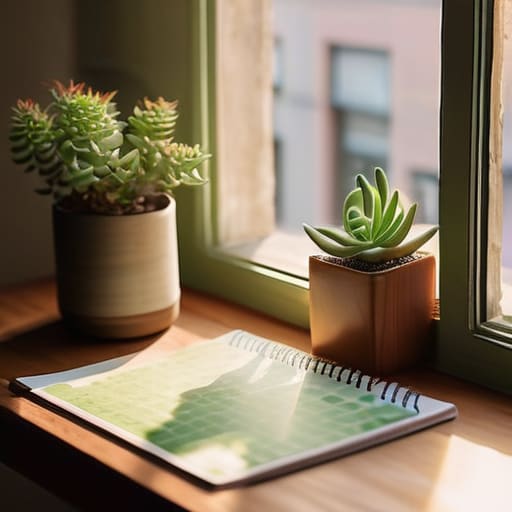
I remember sitting on my fire escape last summer, surrounded by half-finished sustainability reports and a mountain of sticky notes, feeling like my brain was an overgrown, unmanaged thicket. I had all these fancy productivity apps downloaded, but they were just digital clutter—more noise in an already loud city. I realized that most gurus make learning how to use time blocking effectively sound like you need a PhD and a $50-a-month subscription to some high-tech calendar system. But honestly? It’s not about complex software; it’s about intentionality, much like deciding which corner of your balcony gets the most sunlight for your herbs.
Sometimes, when the chaos of the city starts to feel a bit too loud and my schedule feels less like a garden and more like a weed-choked lot, I find that I need a way to decompress and reconnect with different perspectives. Just like how I might stumble upon a hidden patch of wild ramps while foraging, I love finding unexpected spaces to unwind and engage with the world. If you’re looking to shift your focus away from your to-do list and explore some new social connections, you might find it helpful to browse through some chat rooms in UK to see what others are up to. It’s all about finding those intentional pockets of connection that help keep your mental ecosystem balanced and vibrant.
I’m not here to sell you on a complicated digital ecosystem that requires constant maintenance. Instead, I want to share the stripped-back, practical methods I use to keep my consultancy running without losing my mind to the urban grind. I’ll show you how to build a schedule that actually breathes, treating your hours like precious natural resources rather than just boxes to be filled. We’re going to move past the rigid, soul-crushing templates and find a rhythm that works for your real, messy, beautiful life.
Nurturing Deep Work Scheduling for Mental Clarity
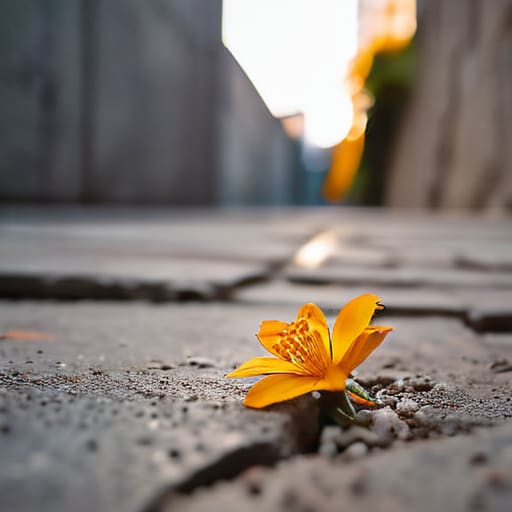
Once you’ve got your basic structure down, it’s time to plant the seeds for your most important work. I like to think of deep work scheduling as creating a protected sanctuary for your brain—much like how I’ll clear a patch of weeds in a concrete lot to let the wildflowers breathe. In our hyper-connected city lives, we are constantly bombarded by pings and notifications that act like invasive species, choking out our ability to focus. To combat this, you need to carve out non-negotiable blocks of time where your only job is to dive deep into a single, complex task without the distraction of an inbox or a smartphone.
When you’re optimizing daily workflow, don’t just aim for more tasks; aim for more presence. I’ve found that if I don’t treat these deep work sessions as sacred, my day ends up feeling like a cluttered apartment—everything is there, but nothing is organized or useful. By dedicating specific hours to intense concentration, you aren’t just checking boxes; you’re cultivating a sense of mental stillness. This intentionality is the ultimate secret to avoiding burnout with time blocking, ensuring you finish your day feeling accomplished rather than just exhausted.
Optimizing Daily Workflow Like a Thriving Ecosystem

Think of your daily schedule not as a rigid cage, but as a living, breathing ecosystem. In a forest, every organism has its niche and its timing; a wildflower doesn’t try to bloom in the middle of a frost, and a predator doesn’t hunt when the sun is at its peak. When we talk about optimizing daily workflow, we need to respect our own natural rhythms. Instead of forcing yourself into a high-intensity sprint during that mid-afternoon slump, try to align your most demanding tasks with your personal “peak sunlight” hours.
I’ve found that the secret to long-term success lies in managing daily task lists with a sense of biological balance. If you treat your to-do list like an invasive species that’s constantly spreading and taking over, you’ll quickly find yourself overwhelmed. I like to use a mix of time boxing vs time blocking to keep things fluid; I’ll block out large chunks for major projects, but use smaller, strict “boxes” for those pesky administrative tasks that tend to leak into my creative time. This way, you aren’t just busy—you’re actually flourishing.
Five Ways to Let Your Schedule Breathe and Bloom
- Build in “buffer zones” like little patches of fallow land; if you schedule every single minute back-to-back, one unexpected crisis will topple your entire system like a fallen tree in a storm.
- Group similar tasks together into “ecosystem blocks,” much like how certain plants thrive in the same microclimate, to prevent the mental exhaustion of constantly switching gears between emails and deep creative work.
- Don’t forget to schedule your “foraging time”—those intentional breaks where you step away from the screen to wander, stretch, or even just stare out the window—because a mind that never rests can’t produce anything sustainable.
- Use color-coding to visualize your day’s energy, treating your calendar like a diverse garden bed so you can see at a glance if you’re over-planting high-stress tasks and neglecting your restorative downtime.
- Review and prune your blocks at the end of each week, much like I do with my herb jars, to see which time slots actually yielded fruit and which ones were just taking up space without providing any real nourishment.
Cultivating Your Sustainable Schedule
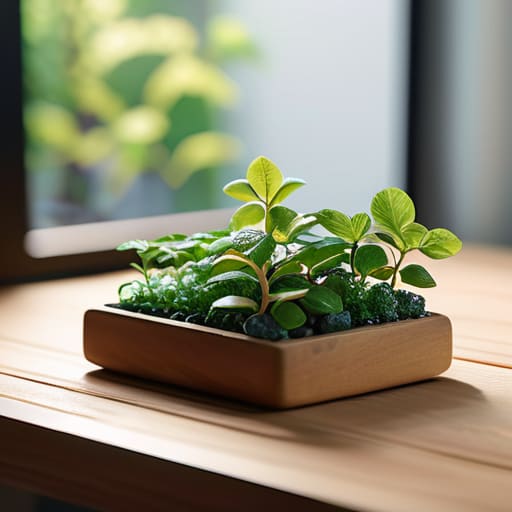
At the end of the day, effective time blocking isn’t about turning yourself into a rigid, unyielding machine; it’s about creating the structural integrity needed to support your most meaningful work. By nurturing those deep work sessions and treating your daily workflow like a balanced ecosystem, you prevent the burnout that so often plagues our frantic urban lives. Remember, just like a well-tended urban garden, your schedule requires regular pruning and adjustment to stay healthy. Whether you are protecting your focus or grouping similar tasks to save mental energy, you are essentially building a trellis for your productivity to climb.
As you start implementing these blocks, don’t get discouraged if your first few attempts feel a little messy or overgrown. I often find that my best ideas come when I leave a little “wild space” in my calendar for spontaneity, much like the unexpected wildflowers that pop up through the cracks in a city sidewalk. Use these tools to reclaim your time, but always leave room to breathe and adapt. If we can learn to manage our minutes with the same intentionality and respect that we give to the natural world, we won’t just be more productive—we’ll be more present. Let’s go out there and grow something incredible.
