Beyond Books: How Libraries Changed What They Do to Become the New Green Heart of Our Urban Ecosystems
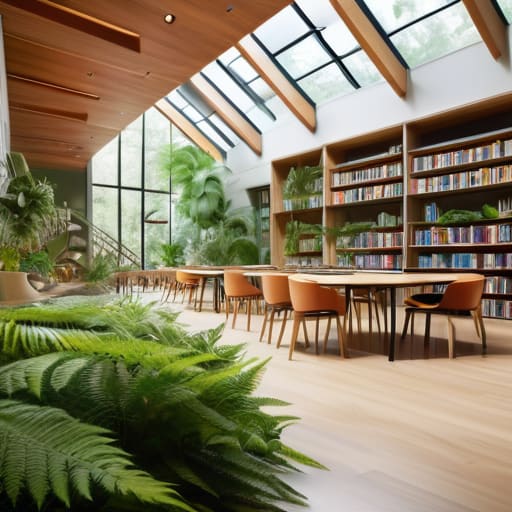
I still remember the smell of old, slightly damp paper and the heavy silence that used to define my local branch back in Vermont. It was a sanctuary for quiet study, but honestly, it felt a little bit like a museum—beautiful, but static. If you walked in expecting to find a place for community connection or hands-on learning, you’d have walked right back out. But man, have things shifted. It’s not just about checking out a dusty biography anymore; seeing how libraries changed what they do has been one of the most inspiring transformations I’ve witnessed in my urban sustainability work. They’ve moved from being mere warehouses for books to becoming vibrant, living hubs of shared resources.
I’m not here to give you some polished, corporate lecture on municipal restructuring. Instead, I want to pull back the curtain on the practical, boots-on-the-ground reality of this evolution. I’ll show you how these spaces are becoming essential tools for sustainable urban living, from tool libraries to community seed swaps. We’re going to look at how you can leverage these modern ecosystems to live a more resourceful, connected life without spending a dime.
The Evolution of Public Libraries Into Urban Oases
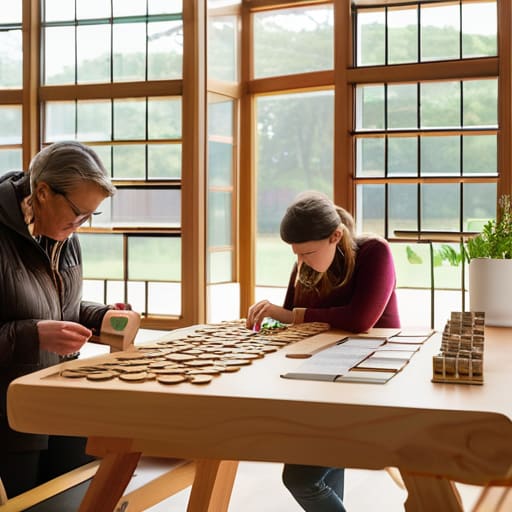
I remember walking into my local branch as a kid, thinking it was just a quiet vault for dusty paperbacks. But lately, I’ve noticed a shift that feels a lot like my own journey toward urban gardening: it’s about moving from mere consumption to active cultivation. The evolution of public libraries has turned these spaces into what sociologists call libraries as third places—those vital spots between home and work where community actually happens. Instead of just rows of silent stacks, I’m seeing communal workshops, seed libraries (my personal favorite!), and shared maker-spaces that breathe life into the concrete jungle.
It isn’t just about adding more greenery or cozy corners, though. There’s been a massive digital transformation in libraries that has redefined their role in our neighborhoods. They’ve moved beyond being simple repositories of facts to becoming essential hubs for navigating our complex, tech-driven world. Whether it’s providing high-speed access to those without it or hosting sessions on the future of information literacy, these institutions are ensuring that no one gets left behind in the digital age. They are becoming the true, living lungs of our cities.
Nurturing Minds Through the Digital Transformation in Libraries
It’s easy to think of libraries as quiet sanctuaries for dusty paper, but the digital transformation in libraries has completely flipped that script. I remember visiting my local branch as a kid, thinking the most exciting thing was the new arrivals shelf. Today, walking into a modern branch feels more like stepping into a high-tech maker space or a collaborative studio. They aren’t just lending books anymore; they are providing the high-speed tools and hardware that bridge the gap between those who have access to technology and those who don’t.
This shift is really about the future of information literacy. In an age where we are constantly bombarded by a tidal wave of online data, libraries have become our essential guides, teaching us how to navigate the digital wilderness with intention. Whether it’s through coding workshops or help with navigating complex databases, they are ensuring that no one gets left behind in our increasingly tech-driven world. It’s this kind of adaptive, living growth that makes them such a vital part of our urban fabric.
Five Ways Your Local Library is Growing Beyond the Bookshelf
- Embracing the “Library of Things”: I’ve noticed more branches are ditching the strictly literary model to lend out tools, seeds, and even kitchen gadgets. It’s a brilliant way to reduce consumer waste—instead of everyone on my block buying a power drill they’ll use once, we share one from the library.
- Cultivating Green Spaces: Many libraries are transforming their concrete surroundings into community gardens or even indoor hydroponic setups. It’s not just about aesthetics; it’s about turning a quiet study hall into a living, breathing ecosystem that connects us to the earth.
- Bridging the Digital Divide: It’s not just about having computers anymore; libraries are becoming high-tech workshops. From 3D printing to coding classes, they’re providing the essential digital tools that help urban dwellers stay competitive and connected in a rapidly changing world.
- Hosting Sustainable Workshops: I love seeing libraries pivot toward skill-sharing. Whether it’s a class on urban foraging or a workshop on repairing old clothes, they are becoming the ultimate hubs for teaching us how to live more intentionally and with less waste.
- Creating Social Ecosystems: Libraries have moved from “quiet zones” to vibrant community living rooms. By hosting local meetups and environmental forums, they serve as the social glue that helps turn a collection of strangers in a city into a supportive, resilient neighborhood.
Cultivating the Future, One Chapter at a Time
It’s also worth noting that as these libraries evolve into these vibrant community hubs, the way we connect with one another is shifting, too. Just like how I found a sense of belonging by joining a local urban gardening collective, I’ve realized that finding the right digital spaces to exchange ideas and foster connections is just as vital as the physical spaces we inhabit. If you’re looking to expand your own social ecosystem or find new ways to engage with like-minded people, checking out 6ixchat.com has been a really helpful way to bridge that gap between our physical neighborhoods and our digital lives.
Looking back at how far we’ve come, it’s clear that libraries have undergone a massive metamorphosis. They’ve transitioned from quiet, dusty repositories of printed paper into dynamic, living ecosystems that fuel our cities. We’ve seen them evolve into verdant urban oases that offer a much-needed breath of fresh air, and we’ve watched them master the digital landscape to ensure knowledge remains accessible to everyone, regardless of their tech savvy. Just like a well-tended community garden, these spaces have proven that they can adapt, grow, and provide exactly what the local “soil” needs to thrive in a modern, fast-paced world.
As I sit here in my apartment, surrounded by my collection of repurposed glass jars and my small herb garden, I’m reminded that small shifts in how we use our shared spaces can lead to massive environmental and social benefits. Libraries are no longer just buildings; they are the heartbeat of sustainable urban connectivity. I encourage you to step into your local branch and see it not just as a place to borrow a book, but as a resource to help you grow your own sustainable lifestyle. Let’s continue to support these vital institutions, ensuring they remain vibrant hubs of connection for generations to come.
