Can AI Really Create Art? The Answer May Shock You!
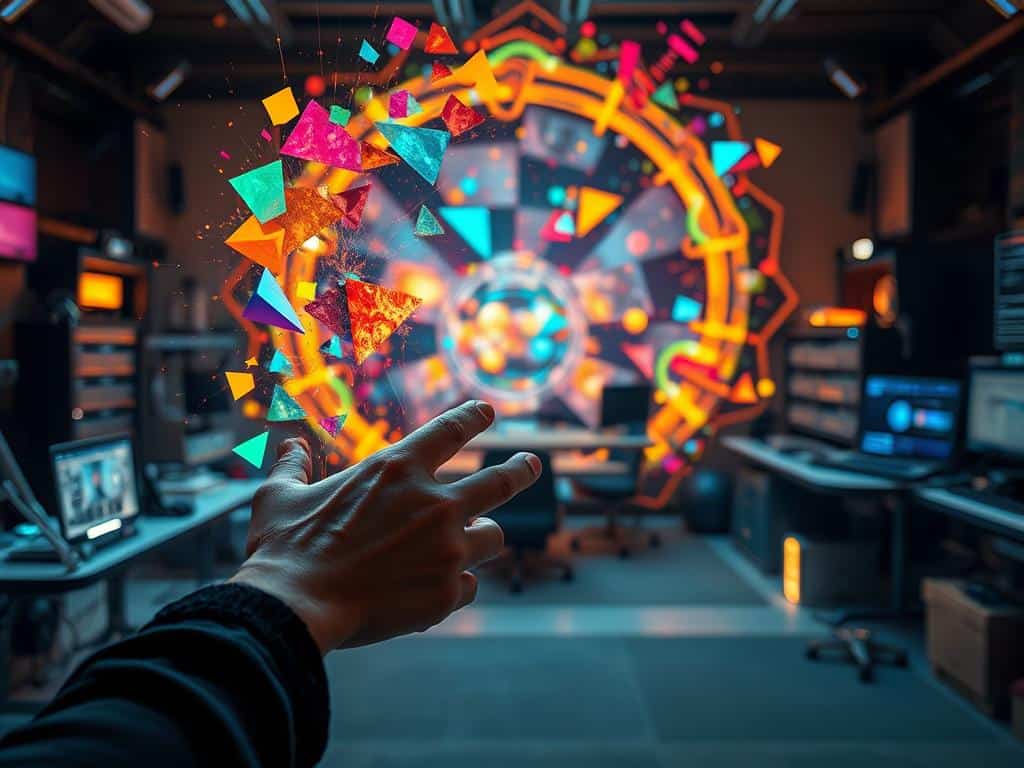
In a crowded café, I watched an artist create a masterpiece. Their skill was mesmerizing. It made me wonder, can machines create art too?
Today, AI art generators make millions of images daily. Platforms like Midjourney, DALL-E, and Stable Diffusion are leading the charge. But, most of these images are only seen by their creators. This raises questions about creativity and machine learning.
Is AI-generated art a tool for artists or a threat to traditional art? The answer is not clear. It’s a complex issue that makes me think deeply.
Key Takeaways
- AI art generators create over 20 million images daily on platforms like Midjourney and DALL-E.
- Approximately 99% of generated images remain unseen by anyone but their creators.
- 40% of power users’ time is spent searching for utilitarian images.
- Artists can spend thousands of hours improving their skills with AI tools.
- AI image generation involves complex processes, often requiring over 50 steps to perfect an image.
- The acceptance of AI in traditional art spaces is exemplified by Jason Allen’s award-winning piece at the Colorado State Fair.
- Industry concerns have led companies like Getty Images to ban AI-generated content.
Understanding the Mechanisms of AI in Art Creation
In recent years, the mix of machine learning and art has become more popular. As I explore how AI makes art, it’s clear that AI opens new doors for digital artists. AI uses complex algorithms and big datasets to create different types of art, like digital images and poems.
How AI Generates Art through Machine Learning
AI uses advanced models to learn from lots of images and their descriptions. Generative Adversarial Networks (GANs) are key, creating new content and improving it through feedback. This makes AI art look like it’s from real artists, but it misses the emotional and cultural parts of traditional art.
Variational Autoencoders (VAEs) add a twist, making AI art more varied and surprising. Even experienced artists can be amazed by what AI comes up with.
Current AI Technologies Transforming Artistic Expression
AI is changing how we see art. Tools like DALL-E and Midjourney can make unique art. Projects like Refik Anadol’s Unsupervised use AI to create art from big datasets, even from places like the Museum of Modern Art (MoMA).
These new tools and projects show how technology and art can come together. They bring up important questions about who gets to be seen in art. Artists and AI are working together, showing how art is changing over 60 years.
AI Art & Creativity: Tool or Threat?
AI art has started a big debate about its impact on traditional artists and creativity. Some think AI is a game-changer that boosts collaboration and innovation. Others see it as a danger to the heart of art. This debate makes us wonder about the future of creativity and the role of human artists in a world where machines are getting smarter.
The Debate: Impact on Traditional Artists
Many traditional artists worry that AI art takes away their hard work and unique ideas. They think AI is “the opposite of art” and fear it could lower the value of human-made art. Statistics show that many artists believe AI could take their jobs, as auction houses start to sell AI art for over 300,000 dollars.
But some artists see AI as a chance to break free from old norms and explore new creativity. They think AI could be like a collective unconscious, pushing the limits of what we consider original.
Societal Perceptions and Legal Concerns
People have mixed feelings about AI in art. Some love the newness of AI art but don’t know about the legal issues it raises. Problems like copyright infringement happen when AI uses human art without permission. This makes things complicated for AI and traditional artists and raises big questions about who owns art in the future.
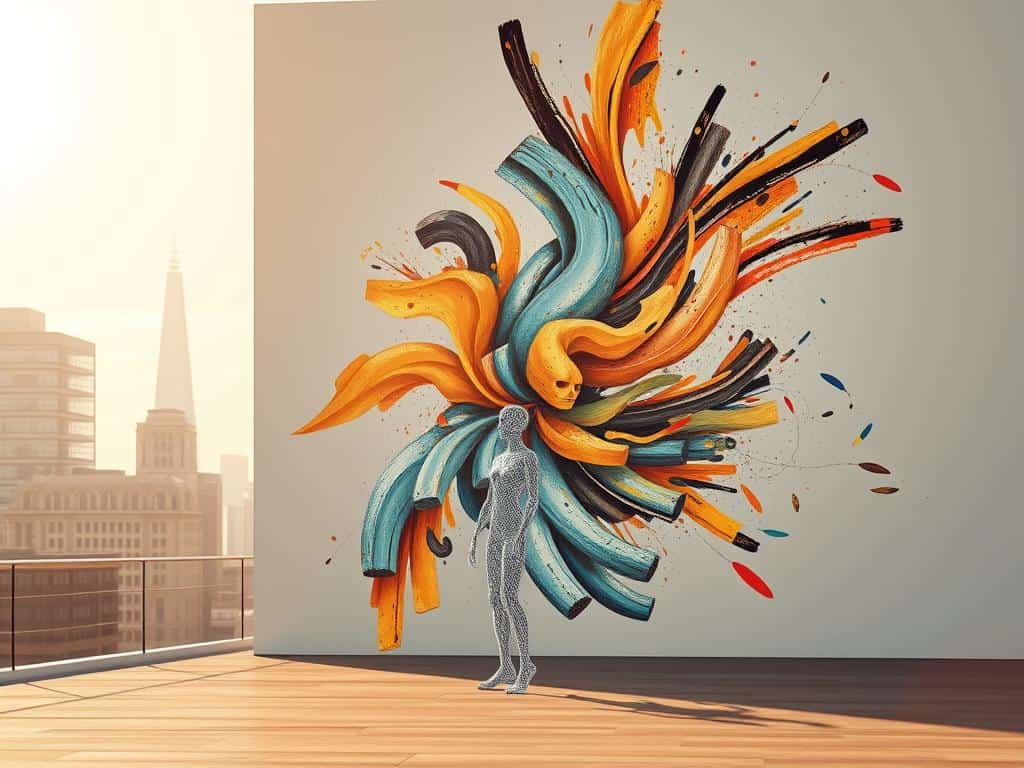
The debate about AI’s effect on art is ongoing. It’s about the difference between human creativity and machine-made art. AI can do many things, like analyze data and create visuals. But it can’t replace the emotional depth and personal touch that human artists bring to their work.
Conclusion
The world of AI and art is complex and varied. AI art challenges old ideas of creativity and brings new ways to express ourselves. Tools like Stable Diffusion, DALL-E 2, and Midjourney make it easier for artists to create, no matter their background.
The future of art will mix AI and human creativity. AI helps artists work faster, letting them turn ideas into deep, personal works. But we must talk about who owns the art and if it will all look the same.
AI is a tool that helps artists, not hinders them. As we move forward, we must make sure AI helps us grow as creators. I’m looking forward to seeing how our conversations shape the future of art.
