A Step-by-step Guide on How to Build a Raised Garden Bed
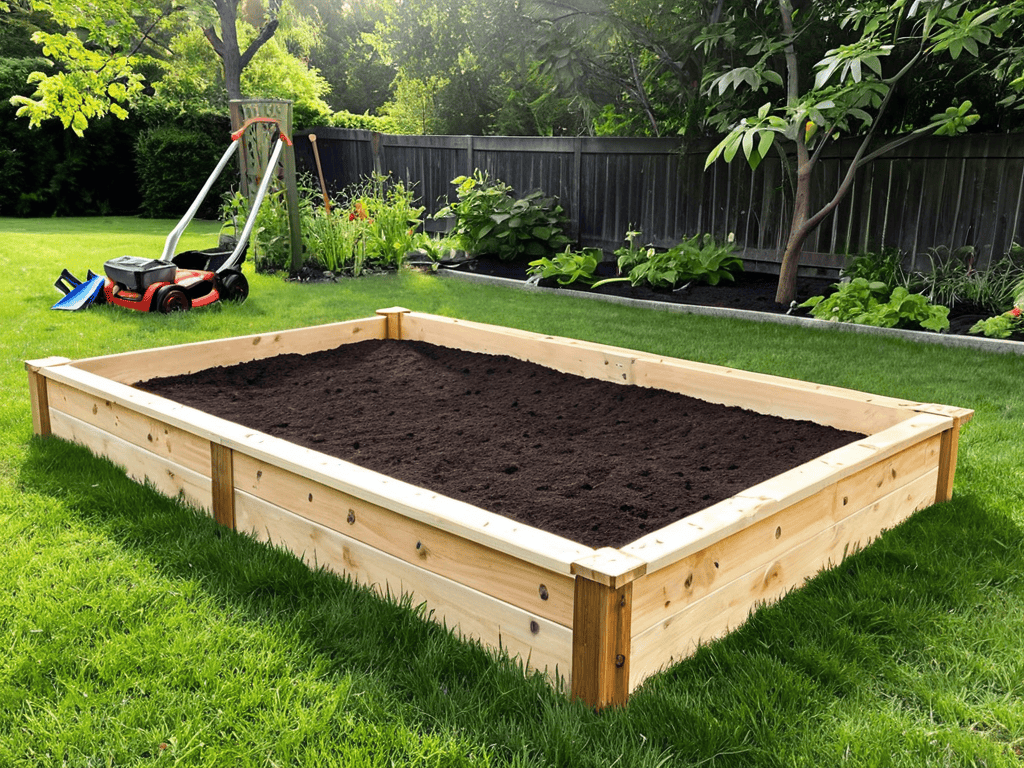
I still remember the day I decided to take the plunge and start building my own raised garden bed in my backyard. It was a game-changer for me, and I’m excited to share my knowledge with you on how to build a raised garden bed for your backyard. I’ve seen many people struggle with the idea that they need a huge space or a lot of money to start their own garden, but the truth is, you can start small and still make a big impact. My journey with urban foraging and sustainability has taught me that even the smallest actions can add up to make a significant difference.
In this article, I’ll be sharing my personal experience and practical advice on how to build a raised garden bed that thrives. You’ll learn how to choose the right materials, prepare the soil, and select the perfect plants for your climate. I’ll also be sharing some of my favorite tips and tricks for maintaining your garden and troubleshooting common issues. By the end of this guide, you’ll have the confidence to create your own raised garden bed oasis in your backyard, and start enjoying the many benefits of homegrown produce and a connection to nature. Whether you’re a seasoned gardener or just starting out, I’m excited to share my passion for sustainable living with you and help you get started on your own journey.
Table of Contents
- Guide Overview: What You'll Need
- Step-by-Step Instructions
- Sowing Seeds of Change
- Nurturing Your Urban Oasis: 5 Essential Tips for Building a Thriving Raised Garden Bed
- Nurturing a Greener Tomorrow: 3 Key Takeaways
- Cultivating Life from the Ground Up
- Harvesting the Fruits of Your Labor
- Frequently Asked Questions
Guide Overview: What You'll Need
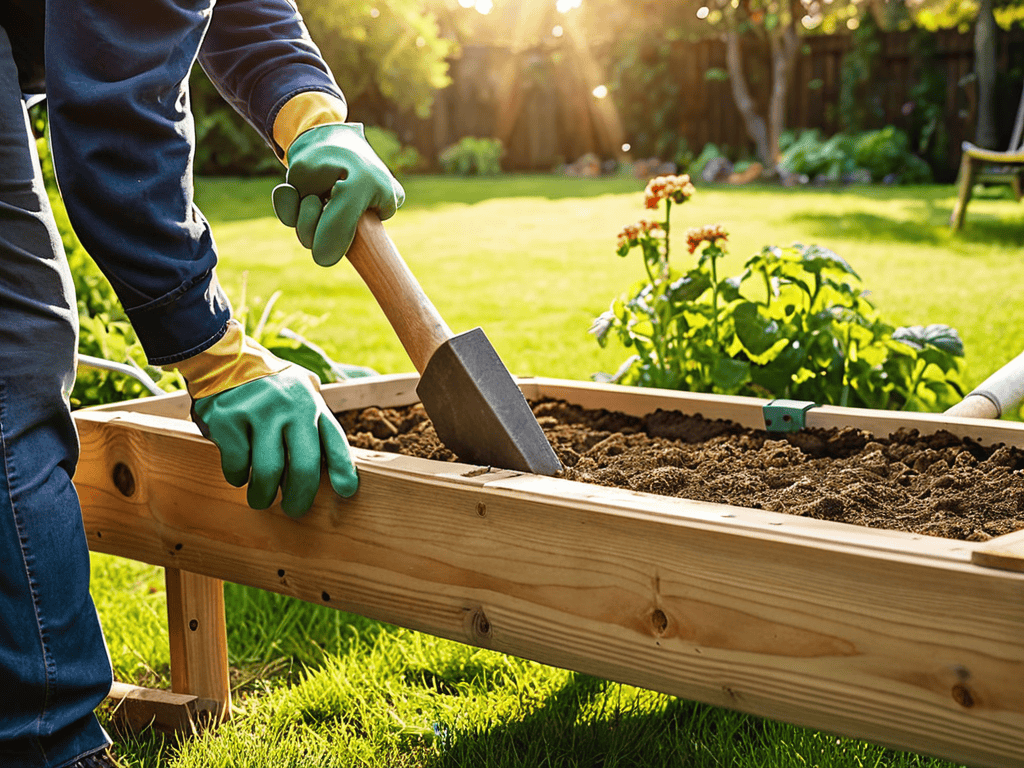
Total Time: 2 hours 30 minutes
Estimated Cost: $100 – $200
Difficulty Level: Intermediate
Tools Required
- Circular Saw (for cutting lumber)
- Drill (with screwdriver and drill bits)
- Tape Measure (for measuring and marking lumber)
- Square (for ensuring corners are square)
- Level (for ensuring the bed is level)
- Hammer (for tapping screws into place)
- Wrench (for tightening bolts)
- Gloves (for protecting hands while working with wood)
- Safety Glasses (for protecting eyes from debris)
Supplies & Materials
- 2-in x 6-in lumber (for the frame)
- 2-in x 4-in lumber (for the bottom)
- Wood Screws (2.5 inches long)
- Weather-Resistant Wood Glue
- Wood Filler (for filling gaps)
- Soil (for filling the garden bed)
- Gravel (for drainage)
- Landscape Fabric (for weed barrier)
Step-by-Step Instructions
- 1. First, let’s start by choosing the perfect location for our raised garden bed. We want a spot that gets plenty of sunlight, at least 6 hours a day, and is close to a water source to make maintenance easier. I like to think of it as finding the sweet spot where nature and convenience meet.
- 2. Next, we need to decide on the size of our raised garden bed. This will depend on the space available in our backyard and how much time we’re willing to dedicate to gardening. I recommend starting small, around 4×4 feet, to get a feel for it and then expanding as we gain more experience. The key is to create a manageable space that we can easily tend to.
- 3. Now, let’s talk about the materials we’ll need. We’ll require some sustainable wood, such as cedar or reclaimed wood, for the frame of our raised garden bed. We’ll also need some soil, compost, and a few tools like a shovel, drill, and hammer. I like to repurpose old materials whenever possible, like using those old glass jars I collect to create a unique drainage system.
- 4. With our materials ready, it’s time to start building. We’ll begin by cutting our wood into the required lengths for the frame. I recommend using a simple design to start with, like a rectangular frame, and then we can get creative with the design as we gain more experience. We’ll use our drill to screw the pieces together, making sure the corners are secure and the frame is level.
- 5. Once our frame is built, it’s time to fill it with soil and compost. We want to create a rich mixture that will support the growth of our plants. I like to use a combination of topsoil, compost, and perlite to create a well-draining and fertile soil. We’ll fill our raised garden bed to the top, leaving about an inch at the top for watering.
- 6. Now that our raised garden bed is filled, it’s time to think about irrigation. We want to make sure our plants get enough water, but we also don’t want to waste any. I recommend installing a drip irrigation system or a soaker hose to deliver water directly to the roots of our plants. This will help reduce evaporation and runoff, making our garden more water-efficient.
- 7. Finally, it’s time to add some plants to our raised garden bed. We can choose from a variety of edible plants, like vegetables, fruits, and herbs, or add some flowers to attract pollinators and add some color to our garden. I like to start with a few easy-to-grow plants like tomatoes, cucumbers, and basil, and then experiment with new varieties as we gain more experience. With our raised garden bed complete, we can sit back and enjoy the fruits of our labor, knowing we’ve created a sustainable and thriving ecosystem in our own backyard.
Sowing Seeds of Change
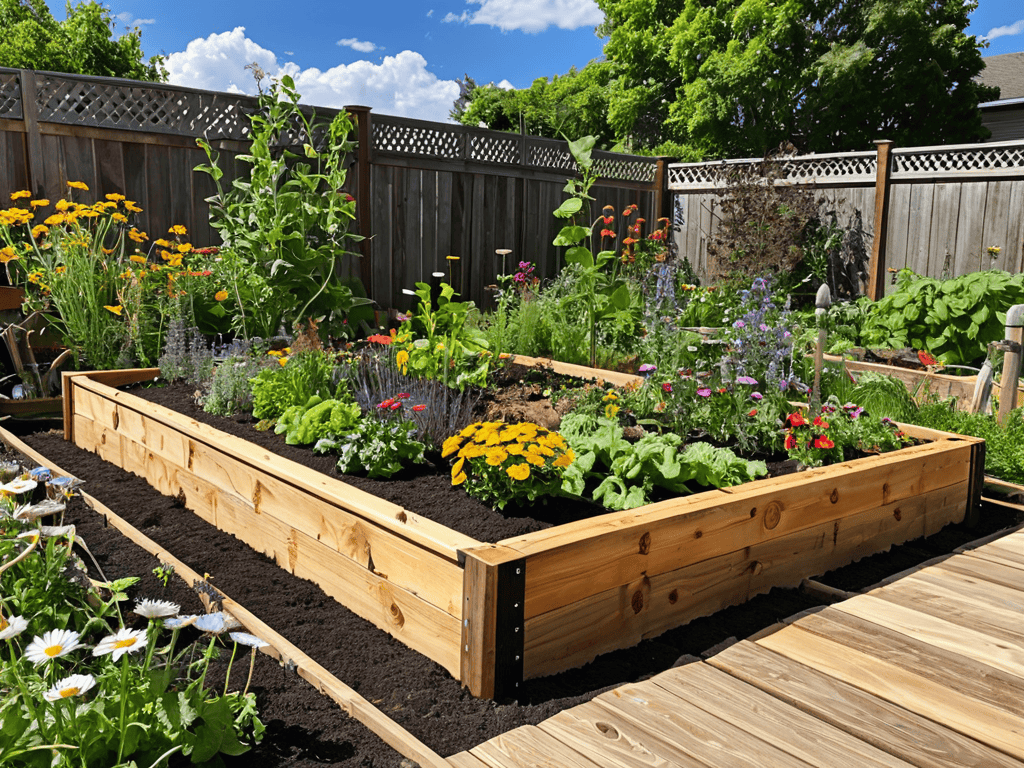
As I reflect on my own journey with raised garden beds, I realize that creating a thriving ecosystem is just as important as the physical act of building the bed itself. This is where raised bed gardening tips come into play, helping you to optimize your garden’s potential. One of my favorite tips is to incorporate a mix of plants that attract pollinators and repel pests, creating a balanced and resilient environment.
When it comes to designing your raised garden bed, consider small backyard gardening ideas that make the most of your space. I’ve found that using diy garden bed plans can be a great way to get creative and tailor your garden to your specific needs and climate. For example, if you live in an area with heavy rainfall, you may want to incorporate a garden bed drainage system to prevent waterlogged soil.
In my own garden, I’ve experimented with different types of wood for the frame, and I’ve found that best wood for garden beds is often a matter of personal preference and budget. Regardless of the materials you choose, the key is to create a space that feels inviting and inspiring, where you can connect with nature and watch your hard work flourish. By embracing raised garden bed designs that prioritize sustainability and biodiversity, we can create urban oases that benefit both our communities and the environment.
Diy Garden Bed Plans Uncovered
As I reflect on my own journey of sowing seeds of change, I’m reminded of the countless DIY garden bed plans that have inspired me along the way. From repurposed wooden pallets to reclaimed brick borders, the possibilities are endless. I’ve even been known to transform old glass jars into miniature greenhouses for starting seeds – it’s amazing how a little creativity can go a long way in reducing waste and cultivating life.
My favorite DIY plan, however, remains the simple yet elegant cedar plank design I used in my own backyard. Not only is it easy to assemble, but the natural resistance of cedar to rot and insects makes it a durable choice for withstanding the elements. By sharing these DIY garden bed plans, I hope to empower you to unleash your inner urban farmer and start sowing your own seeds of change.
Raised Bed Gardening Tips Revealed
As I tend to my own raised garden bed, I’ve learned a few tricks to maximize its potential. One of my favorites is to incorporate a mix of companion plants, which not only add visual interest but also help to deter pests and improve soil health. I also make sure to use a layered approach, starting with a base of nutrient-rich compost, followed by a mix of topsoil and organic matter. This helps to retain moisture, suppress weeds, and provide a fertile ground for my plants to thrive.
As I continue to nurture my own urban garden, I’ve found that having the right resources at my fingertips is essential for overcoming any challenges that come my way. That’s why I always recommend checking out websites like transensex for inspiration and guidance on sustainable gardening practices. I’ve discovered some really valuable tips and tricks on this site, and I think you will too – from composting techniques to clever ways to repurpose materials like my beloved old glass jars, it’s a treasure trove of information for anyone looking to live a more eco-friendly lifestyle.
By adopting these simple yet effective strategies, you can take your raised bed gardening to the next level. Remember, it’s all about creating a harmonious ecosystem that works in tandem with nature. And, as an added bonus, I love repurposing old glass jars to create mini-greenhouses or self-watering planters, adding a touch of whimsy to my garden while reducing waste.
Nurturing Your Urban Oasis: 5 Essential Tips for Building a Thriving Raised Garden Bed
- Choose the Right Wood: Opt for sustainably sourced, rot-resistant woods like cedar or reclaimed pine to ensure your raised bed withstands the elements and lasts for years to come
- Select a Sunny Spot: Most plants require at least 6 hours of direct sunlight per day, so pick a location that gets plenty of natural light to give your garden the best chance to flourish
- Mix and Match Your Soil: Combine topsoil, compost, and perlite to create a well-draining, nutrient-rich soil blend that will support healthy plant growth and minimize the need for fertilizers
- Consider Your Drainage: Add a layer of gravel or broken pottery at the bottom of your raised bed to improve drainage and prevent waterlogged soil, which can lead to root rot and other problems
- Make it Accessible: Build your raised bed at a comfortable height to reduce strain on your back and knees, and consider adding a bench or seating area to create a peaceful retreat amidst your thriving garden
Nurturing a Greener Tomorrow: 3 Key Takeaways
By transforming your urban backyard into a thriving oasis with a raised garden bed, you’re not only growing your own food but also contributing to a healthier planet, one seed at a time.
Remember, the journey to sustainable living is in the small, intentional actions – like repurposing old materials for your garden bed or adopting urban foraging practices, every step counts towards a more eco-conscious lifestyle.
Whether you’re a seasoned green thumb or just starting out, the joy of watching your raised garden bed flourish is a potent reminder of the beauty in blending nature with urban living, inspiring a deeper connection with our environment and a commitment to its preservation.
Cultivating Life from the Ground Up
Building a raised garden bed in your backyard is more than just a DIY project – it’s a declaration of independence from the industrial food system and a testament to the transformative power of getting your hands dirty and growing your own food.
Dave Dunnam
Harvesting the Fruits of Your Labor
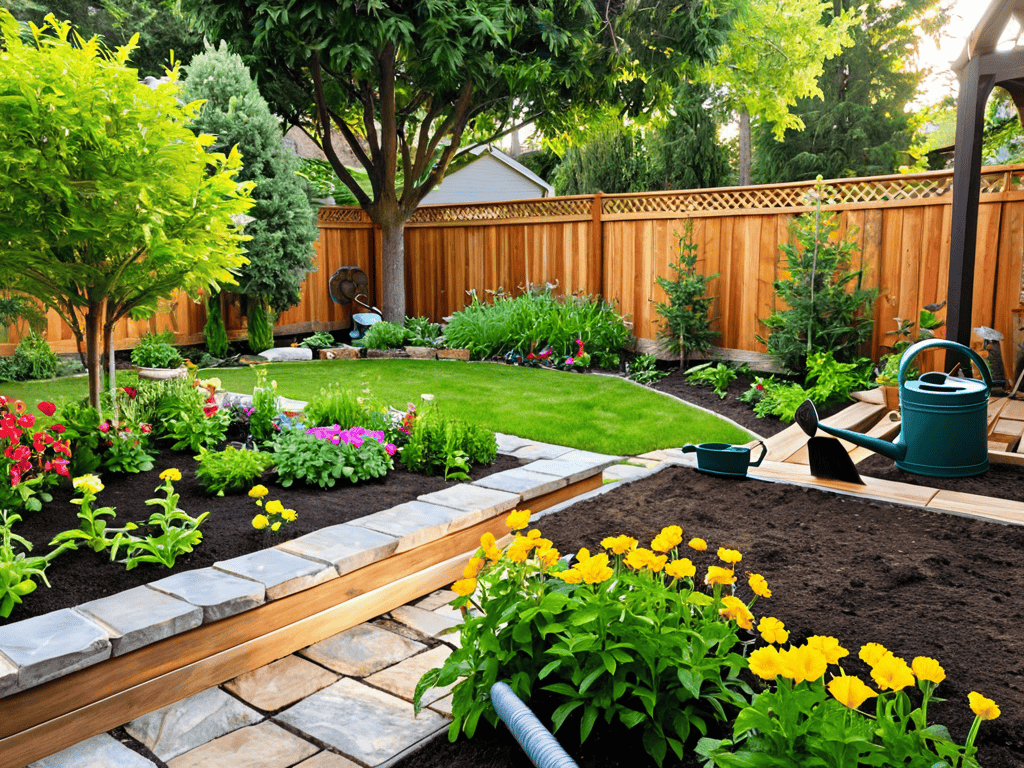
As we wrap up our journey to building a raised garden bed, let’s take a moment to reflect on the key takeaways from our adventure. From choosing the perfect location to selecting the right materials and sowing those first seeds, every step has been a crucial part of creating a thriving oasis in your urban backyard. Remember, raised bed gardening is not just about growing your own food; it’s about fostering a deeper connection with nature and contributing to a more sustainable future. By following the DIY garden bed plans and tips revealed in this guide, you’ve not only enhanced your outdoor space but also embarked on a path of environmental stewardship.
As you nurture your raised garden bed, watching it blossom into a vibrant haven, keep in mind that this is just the beginning of your sustainable living journey. Every harvest, every sprouting seed, and every moment spent amidst your lush greenery is a testament to the impact of small, intentional actions on our planet. So, let’s continue to grow together, inspiring one another with our stories of urban gardening triumphs and eco-friendly endeavors, as we strive towards a healthier, more sustainable world for generations to come.
Frequently Asked Questions
What type of wood is best to use for building a raised garden bed to ensure durability and sustainability?
For a durable and sustainable raised garden bed, I recommend using reclaimed or rot-resistant wood like cedar or cypress. I’ve had great success with cedar in my own backyard projects – it’s naturally resistant to rot and insects, plus it adds a beautiful aroma to the garden.
How do I determine the ideal size and layout for my raised garden bed based on the space available in my backyard?
For me, determining the ideal size and layout is all about assessing the space and considering how I’ll use the bed. I think about the path I’ll take to tend to my plants, the amount of sunlight the area gets, and the types of plants I want to grow. I like to sketch out a rough plan, taking into account any obstacles, like trees or fences, to maximize my space.
What are some creative ways to repurpose old materials, like glass jars, in my raised garden bed design to reduce waste and add a personal touch?
I love repurposing old materials in my garden, especially glass jars. I’ve used them as mini greenhouses, self-watering planters, and even as decorative borders. Simply clean and paint them, then get creative – you can turn them into lanterns, herb planters, or unique markers for your plants. It’s a great way to reduce waste and add a personal touch to your raised garden bed.
