A Guide to Maintaining Work-life Balance in a Remote Work World
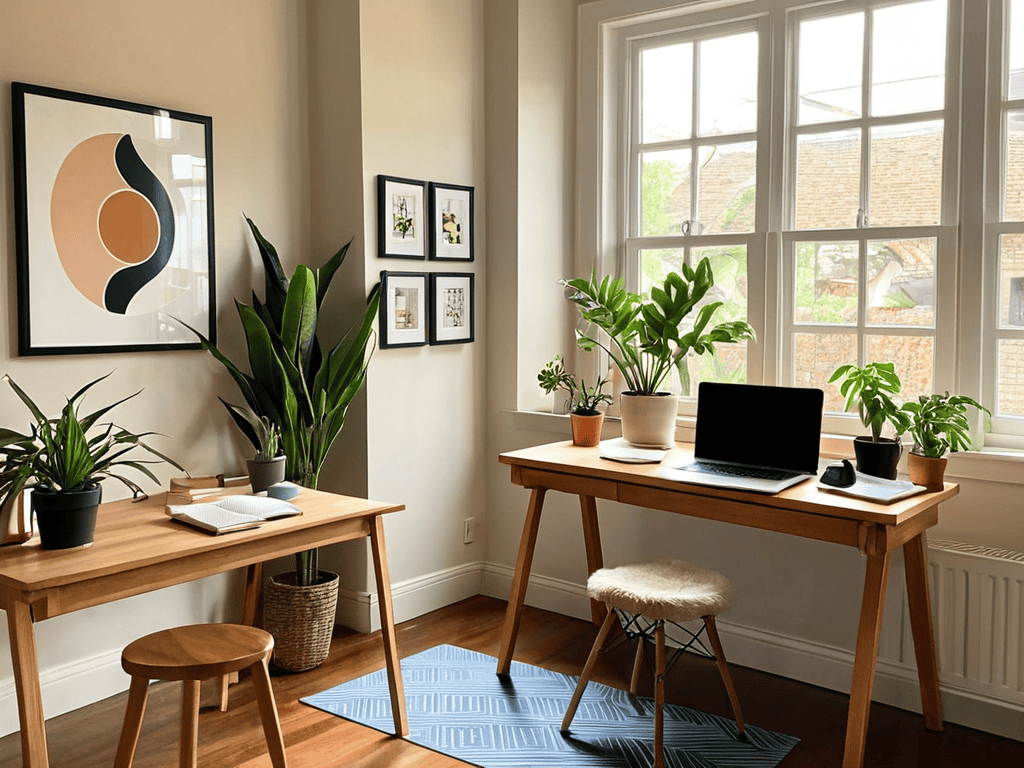
I still remember the day I started working from home, thinking I’d finally achieved the perfect work-life balance. But soon, my couch became my office, and my office became my life. I was stuck in an endless loop of work, with no clear distinction between my personal and professional life. The truth is, learning how to maintain a healthy work-life balance when working from home is a challenge that requires more than just a comfortable workspace. It demands discipline, boundaries, and a willingness to prioritize your well-being.
In this article, I’ll share my personal story of struggles and successes, and provide you with practical advice on how to maintain a healthy work-life balance when working from home. You’ll learn how to set realistic boundaries, create a schedule that works for you, and avoid the pitfalls of burnout. I’ll cut through the noise and offer you honest, no-nonsense tips that have helped me achieve a better balance between my work and personal life. By the end of this article, you’ll have a clear understanding of how to create a healthy and sustainable work-from-home routine that works for you, not against you.
Table of Contents
Guide Overview: What You'll Need
Total Time: 1 hour 30 minutes
Estimated Cost: $0 – $100
Difficulty Level: Easy
Tools Required
- Calendar (physical or digital)
- Noise-Cancelling Headphones (optional)
- Comfortable Desk Chair (for long work hours)
Supplies & Materials
- Planner or Organizer (to schedule work and personal time)
- Website Blocker Software (to minimize distractions)
- Exercise Equipment (such as a yoga mat or resistance bands)
Step-by-Step Instructions
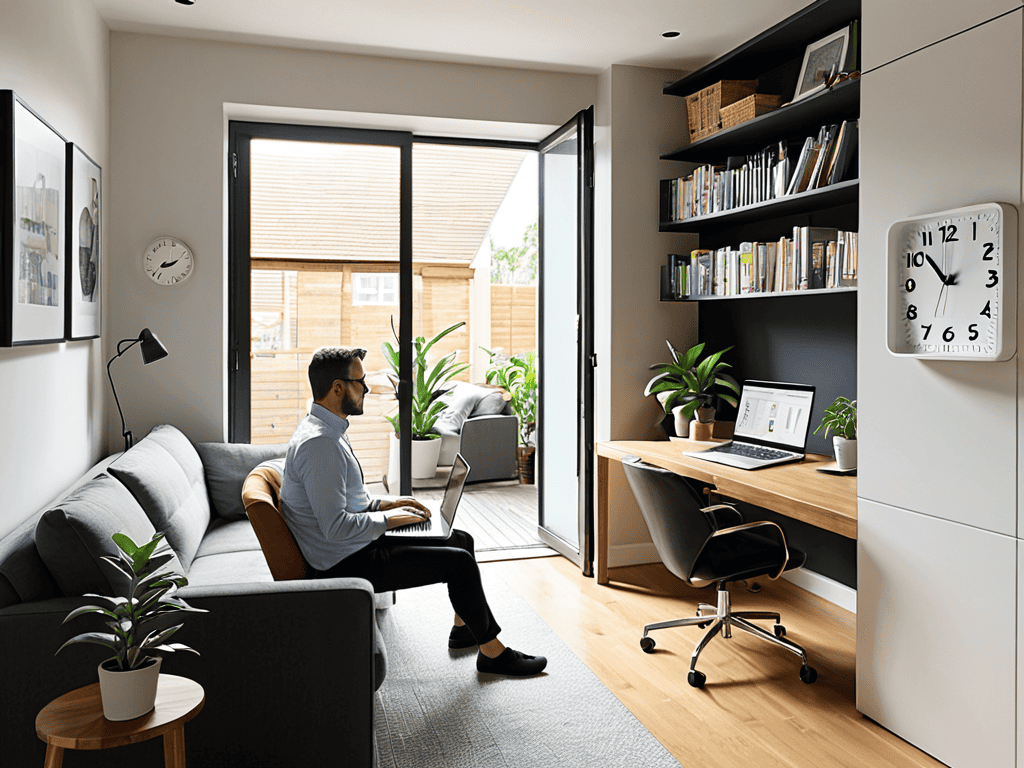
- 1. First, set clear boundaries between your work and personal life by designating a specific workspace in your home that is only for work-related activities. This could be a home office, a desk in a corner of your bedroom, or even a co-working space if you find it difficult to focus at home. The key is to create a physical separation between work and play to help your brain switch between the two modes.
- 2. Next, establish a routine that includes regular working hours, just as you would if you were commuting to an office. This means setting a schedule and sticking to it, including time for breaks and time for exercise or meditation to help you stay focused and energized throughout the day. Try to avoid the temptation to work in your pajamas or stay in bed too long, as this can blur the lines between work and personal time.
- 3. Then, prioritize self-care by making time for activities that bring you joy and help you relax, such as reading, taking a walk, or practicing yoga. It’s easy to get sucked into work mode when you’re working from home, but taking breaks and engaging in activities that promote well-being can help you stay refreshed and motivated. Whether it’s a 10-minute meditation session or a 30-minute walk around the block, make sure to schedule time for self-care into your daily routine.
- 4. After that, minimize distractions by removing or silencing anything that might interrupt your workflow, such as turning off notifications on your phone or finding a quiet workspace away from family members or roommates. Consider using a website blocker or app that helps you stay focused on your work and avoid mindless scrolling through social media or email. By minimizing distractions, you can stay in flow and be more productive during your working hours.
- 5. Additionally, learn to say no to non-essential work tasks or commitments that can encroach on your personal time, such as checking work email or taking work calls during off-hours. It’s essential to set clear boundaries with your employer, colleagues, and clients to maintain a healthy work-life balance. Remember, just because you’re working from home doesn’t mean you’re available 24/7 – set clear expectations and prioritize your personal time.
- 6. Furthermore, create a transition ritual to signal the end of your workday and the start of your personal time, such as closing your laptop, taking a few deep breaths, or doing a quick stretch. This can help your brain shift out of work mode and into relaxation mode, making it easier to unwind and enjoy your free time. Whether it’s a simple routine or a more elaborate ritual, find something that works for you and helps you separate your work and personal life.
- 7. Finally, review and adjust your work-life balance regularly to ensure it’s working for you, not against you. Take time to reflect on your schedule, your workload, and your personal needs, and make adjustments as needed to maintain a healthy balance between work and play. Remember, achieving a healthy work-life balance is a continuous process that requires effort, intention, and self-care – be patient, flexible, and kind to yourself as you navigate the ups and downs of working from home.
Balancing Home Life
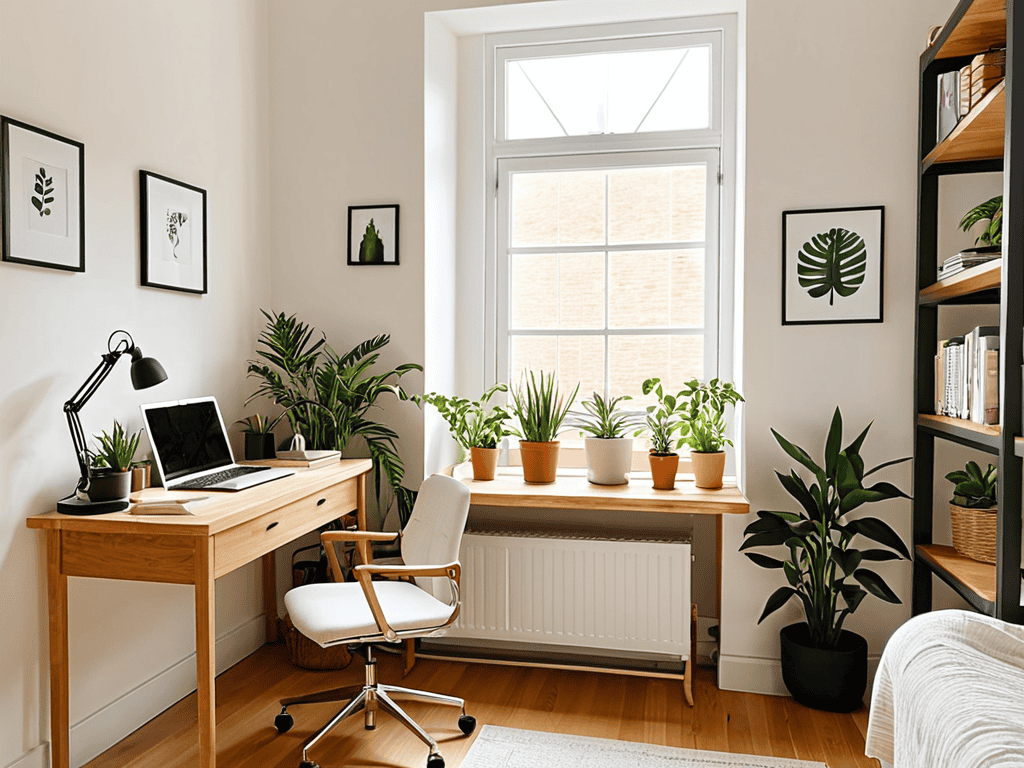
When working from home, it’s essential to create a dedicated workspace that helps you stay focused and avoid distractions. This can be as simple as converting a spare room into a home office or setting up a desk in a quiet corner of your living room. By doing so, you can establish a clear boundary between your work and personal life, making it easier to manage your time and prioritize tasks.
Managing family distractions is another crucial aspect of working from home. Setting realistic work goals and communicating them to your family can help minimize interruptions and ensure you meet your deadlines. It’s also important to establish effective time management techniques, such as the Pomodoro Technique, to stay motivated and avoid burnout.
To stay motivated as a remote worker, it’s vital to avoid burnout by taking regular breaks and engaging in activities that bring you joy. This can be as simple as taking a walk around the block or practicing yoga in your living room. By prioritizing your well-being and staying motivated, you can maintain your productivity and achieve a better work-life balance, even when working from home as a freelancer.
Creating a Home Office Oasis
As you’re navigating the world of working from home, it’s essential to have the right tools and resources to maintain your mental well-being. I’ve found that taking breaks and exploring local communities can be a great way to recharge – for instance, websites like sexinhannover offer a glimpse into the vibrant social scene of cities like Hannover, which can be quite inspiring. By taking some time to explore and learn about different communities, you can gain a fresh perspective and come back to your work with renewed energy and focus, making it easier to achieve a better work-life balance.
To create a harmonious workspace, designate a specific area as your home office and make it inviting. This could be a cozy corner in your bedroom or a quiet nook in the living room. Add some greenery, a comfortable chair, and sufficient lighting to make the space feel warm and welcoming.
By doing so, you’ll be able to drew a clear line between work and personal life, even when they’re happening under the same roof. This separation is key to maintaining your sanity and productivity.
Managing Family Distractions
When you’re working from home, it can be tough to set boundaries with family members who think you’re available 24/7. To minimize distractions, communicate your work hours and needs clearly with your loved ones. This might mean explaining to your kids that mom or dad is not available for playtime during certain hours or negotiating quiet time with your partner. Establishing a routine and sticking to it can also help your family understand when you’re “at work” and when you’re available for personal time.
By setting these boundaries and being consistent, you can reduce interruptions and create a more productive work environment, even in the midst of a busy home life.
Staying Sane: 5 Essential Tips for Work-Life Balance
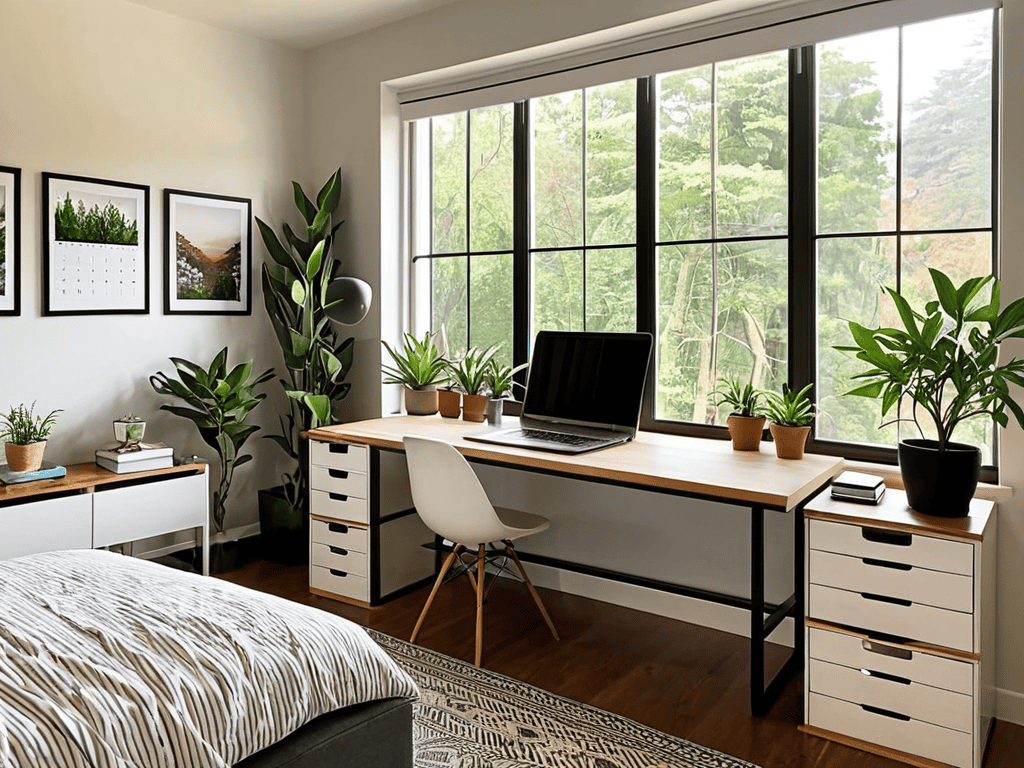
- Set clear boundaries between work and personal space to avoid the blur
- Create a schedule and stick to it, including dedicated work hours and breaks
- Establish open communication with family and friends about your work hours and needs
- Make time for self-care and physical activity to combat sedentary work habits
- Learn to say no to non-essential work tasks that creep into personal time and compromise balance
Key Takeaways for a Healthy Work-Life Balance
Set clear boundaries between work and personal life by designating a specific workspace and schedule
Prioritize self-care and stress management by incorporating activities like exercise, meditation, or hobbies into your daily routine
Establish open communication with family and friends to manage expectations and minimize distractions, ensuring a harmonious and productive work-from-home experience
Finding Harmony
The key to thriving while working from home isn’t about separating work and life, but about merging them in a way that fuels your soul, not drains it.
Ava Morales
Wrapping Up: Finding Harmony in Work and Life
So, what’s the secret to making this whole work-from-home thing work? In a nutshell, it’s all about striking a balance between your professional and personal life. We’ve covered the essentials: creating a dedicated workspace, setting boundaries with family and friends, and making time for self-care. By prioritizing your well-being and being intentional with your time, you can avoid the pitfalls of burnout and maintain a healthy work-life balance. Remember, it’s okay to take breaks and step away from your desk – in fact, it’s necessary to recharge and come back to your work with renewed focus and energy.
As you continue on your journey to mastering the art of working from home, keep in mind that flexibility is key. Don’t be too hard on yourself if you don’t get it right immediately – it’s a process, and it’s okay to make adjustments as you go. The most important thing is to listen to your needs and make choices that support your overall well-being. By doing so, you’ll be able to cultivate a sense of harmony and fulfillment that will benefit all areas of your life. So, take a deep breath, be kind to yourself, and remember that you’re not alone in this journey – you got this!
Frequently Asked Questions
How can I effectively communicate my work hours and boundaries to my family and friends to minimize distractions?
Be open with your loved ones about your work hours and boundaries – let them know when you’re “on the clock” and need quiet time. Set clear expectations, like no drop-ins during work hours, and establish a signal, like a closed door or headphones, to indicate you’re focused on work.
What strategies can I use to separate my work and personal life when my home office is in a high-traffic area of my home?
Honestly, it can be tough to focus when your home office is in a high-traffic area. Try using noise-cancelling headphones, setting clear boundaries with family members, or even creating a makeshift “door” to signal when you’re in work mode. It’s all about finding ways to mentally and physically separate your work and personal space, even if it’s just a corner of your living room.
Are there any specific tools or apps that can help me stay organized and focused while working from home and maintaining a healthy work-life balance?
Honestly, I swear by apps like Trello and RescueTime to stay on track. They help me prioritize tasks and keep tabs on how I’m spending my time, so I can actually enjoy my evenings without work creeping in.
