Why Edge Computing is the Next Big Thing!
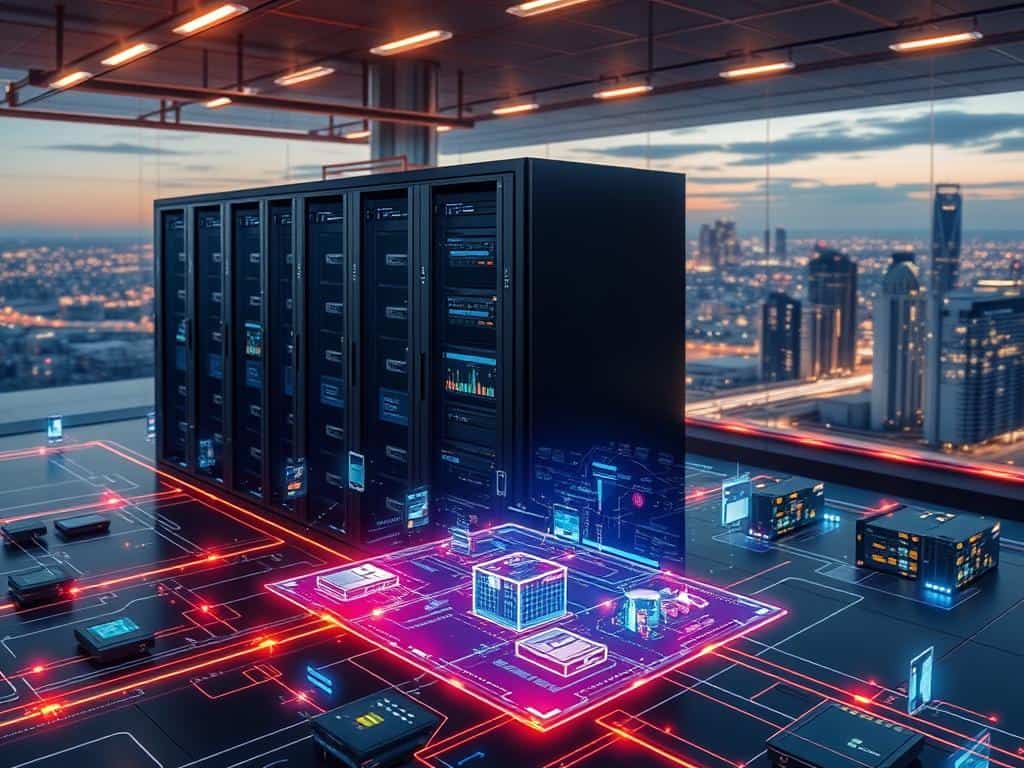
Standing at the edge of a busy highway, I watched self-driving cars pass by. They had many sensors and needed fast data processing to make quick decisions. Traditional cloud computing might not keep up with today’s tech needs.
Imagine if a second delay in data transmission could cause a crash. This moment showed me the need for faster data processing. Edge computing is a quick and efficient way to handle data, unlike cloud-only solutions.
It’s not just about speed. Edge computing also ensures safety and efficiency in many fields. This includes healthcare, agriculture, and finance. The rise of edge computing is a big change in how we process information. It’s something we should all pay attention to.
Key Takeaways
- Edge computing reduces latency by processing data closer to its source.
- It enhances security by minimizing the amount of data transferred over networks.
- Localized processing supports real-time analytics for immediate insights.
- This technology optimizes energy use, decreasing the need for constant cloud communication.
- Investments in edge technology are increasing in emerging markets.
- Edge computing enables advanced applications across industries, including healthcare and finance.
Understanding Edge Computing
Edge computing is a new way to process and manage data. It focuses on local data processing near where data is created, like from IoT devices. This approach cuts down on delays, making data instantly available for quick decisions.
As industries grow, edge computing’s benefits become more obvious. It’s vital in areas where fast responses are key for better operations.
What is Edge Computing?
Edge computing is about processing data close to its source, not just in the cloud. This system speeds up data access and fixes cloud computing limitations, like network delays. It’s a game-changer for industries like manufacturing, where machines need to act fast.
Companies using edge computing see their productivity and efficiency soar. They can easily use data from many IoT devices, making their work flows better.
The Evolution of Computing Architectures
Computing has moved from centralized systems to more complex, decentralized ones. First, all processing was done on big servers. Then, personal computers made access easier.
But, the rise of cloud computing in the early 2000s made data centers the main hub. Now, edge computing is the answer to the need for quicker, more efficient data handling. This is driven by the surge in data from IoT devices.
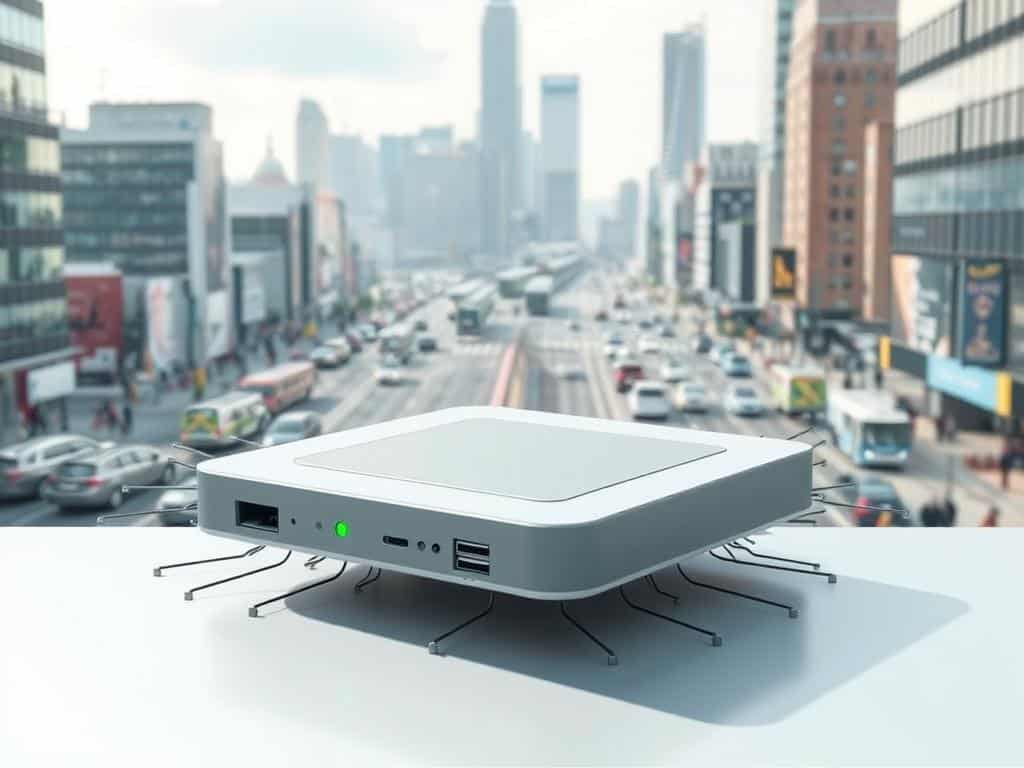
The Benefits of Edge Computing
Edge computing brings many benefits that can change how businesses work. It makes things more efficient and better in many areas. This includes retail and healthcare, where it changes how data is handled.
Reduced Latency and Faster Data Processing
Edge computing is great at reducing latency because it’s close to where data comes from. This means faster data processing and better real-time decision-making. For example, in self-driving cars and remote surgeries, quick action is key.
It also cuts down network latency by up to 75% compared to cloud computing. This shows how powerful edge computing can be.
Enhanced Security and Data Privacy
Security and privacy are big deals for companies, and edge computing helps a lot. It keeps sensitive data safe by not sending it far. This makes it harder for hackers to get to.
It also helps meet privacy standards and follow regulatory compliance. Studies show a 30% drop in cyber attack risks with edge computing. This proves it’s a secure choice.
Cost Efficiency and Resource Optimization
Edge computing also saves money by cutting down on costs for big data centers. It reduces data transmission costs by up to 50%. This lets companies use their money and people better.
They can focus on new ideas and growth instead of just paying for bandwidth. This helps them stay ahead in their markets.
Conclusion
Looking at technology’s progress, edge computing is leading the digital change in many fields. It’s not just a trend; it’s a key step forward. It makes businesses run faster, safer, and cheaper.
The future of edge computing looks bright. It lets companies use local data processing. This meets the needs of applications that need quick action.
Statistics show we need this new tech; by 2025, 75% of data will come from outside big data centers. But, only 27% of businesses use edge computing yet. Despite this, 54% are interested in its possibilities.
Using edge computing is key to staying competitive today. It’s a must for businesses to keep up.
Edge computing will change how we use technology and data. With 5G networks coming, edge computing will get even better. It will make things more efficient and quick.
It’s important for companies to get ready for this change. They need to make sure their systems are strong and ready for the future.
