Crafting a DIY Compost Bin from Pallets: Your Eco-Friendly Adventure
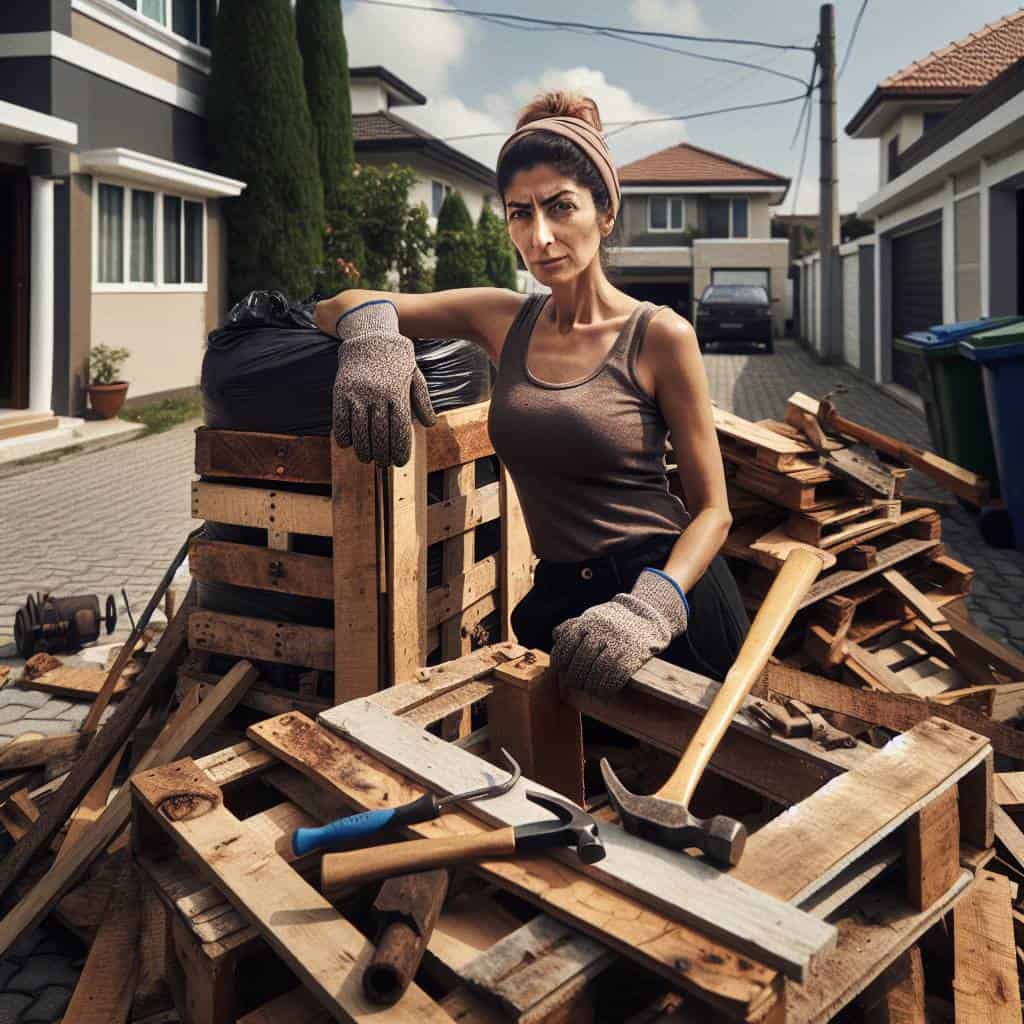
I remember the first time I decided to build a compost bin from pallets. Thought I’d save the planet and a few bucks. I ended up saving neither, but I did gain a healthy respect for the stubbornness of old wood. There I was, in my driveway, wrestling with a pile of pallets that looked like they’d been through three world wars. Nails sticking out, splinters threatening every finger. My neighbor walked by, shook his head, and muttered something about “midlife crises.” I chuckled, but he wasn’t wrong. This was my version of a sports car—eco-friendly but with all the frustration of a flat tire.
So, let’s tackle this beast together. You’ll learn how to turn those defiant planks into a compost bin that won’t just hold your kitchen scraps but might also hold a piece of your sanity. We’ll cover the basics of composting, from what goes into the bin to the sweet science of decomposition. I’ll guide you through assembly, choosing the right spot in your yard, and maybe, just maybe, you’ll have fewer splinters than I did. Buckle up; it’s going to be a bumpy, rewarding ride.
Table of Contents
- The Day I Realized My Kitchen Scraps Were Gold
- How I Discovered the Black Magic of Composting
- Why Choosing the Right Spot is Like Finding Narnia
- Mastering the Art of the Pallet-Powered Compost Fortress
- The Nitty-Gritty of Crafting Your Own Compost Fortress
- Sawdust and Soil Wisdom
- Untangling the Mess: Your Compost Bin Queries Answered
- The Unexpected Zen of Pallet Wrestling
The Day I Realized My Kitchen Scraps Were Gold
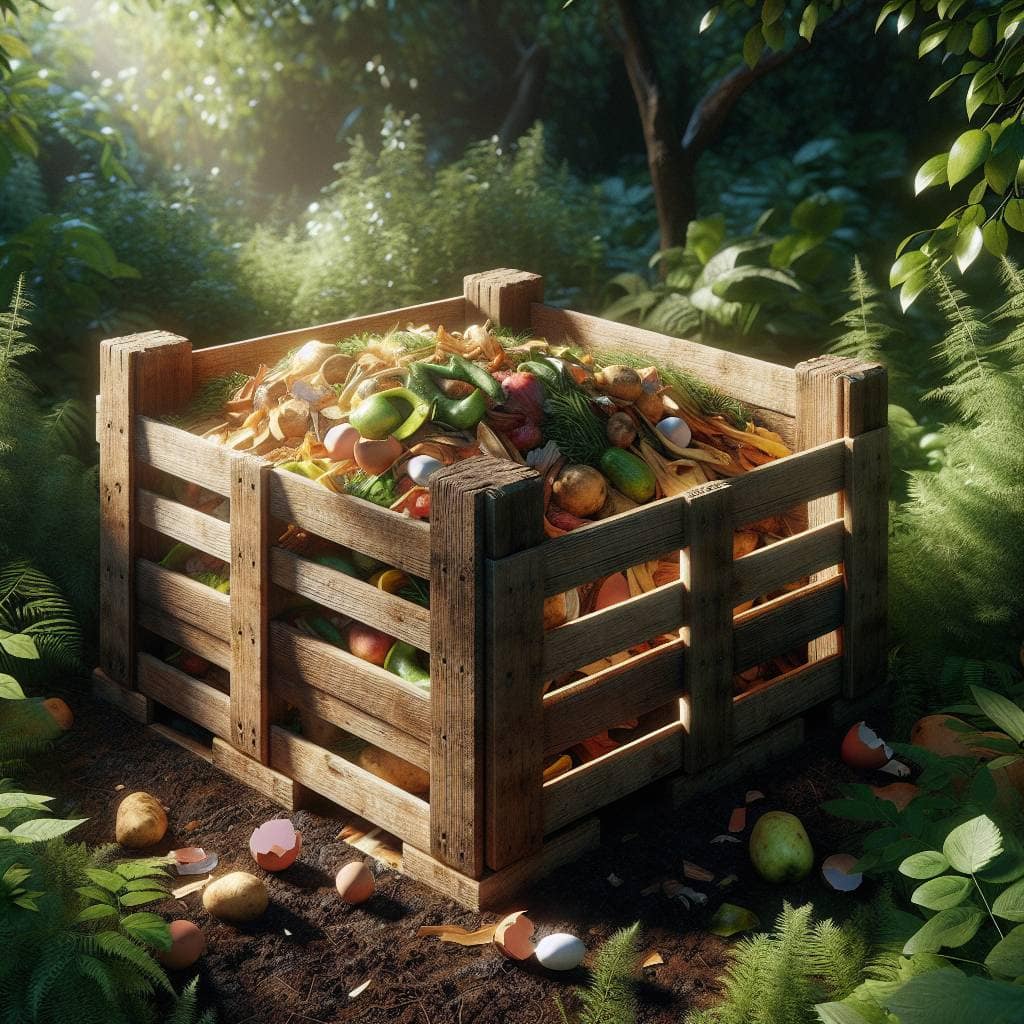
I’d been tossing potato peels and eggshells as if they were nothing but useless debris, the kind you flick off your shoe after a walk through the mud. But one day, staring into that bin of scraps, a lightbulb flicked on. What if this so-called “garbage” was actually a treasure trove waiting to be unlocked? I mean, it wasn’t like I was expecting a genie to pop out of the onion skins, offering me three wishes. But what if I could turn this mess into something that didn’t just vanish when the garbage truck rolled by each week? That’s when I stumbled into the wild world of composting—a place where yesterday’s trash transforms into tomorrow’s garden gold.
So, there I was, diving headfirst into the composting basics, convinced that I was embarking on a journey to become some kind of eco-conscious wizard. I decided to build a DIY compost bin from pallets, partly because I like a challenge and partly because I’m cheap. The idea of shelling out cash for a plastic bin seemed absurd when I had access to free wood and a toolbox itching for action. After a couple of hours wrestling with those stubborn pallets and cursing every splinter like it was my sworn enemy, I had a half-decent bin standing in my backyard. I picked a good spot—not too far from the house, but not so close that the smell would make me regret every decision that led me there. It was a labor of love, but once I got that bin assembled, I felt like I’d unlocked a new level in the game of life. Kitchen scraps weren’t just discards; they were the secret sauce for my future garden, a plot twist that was surprisingly satisfying.
How I Discovered the Black Magic of Composting
It all started one rainy Saturday afternoon when I was tinkering in the garage, trying to breathe life into an old lawnmower. My neighbor, a retired botanist with a penchant for oversized hats, ambled over with a knowing smile and a bucket of what looked like the aftermath of a food fight. He called it “black gold.” I was skeptical, but curiosity got the better of me. So, I followed him to the back corner of his yard, where a rickety compost bin sat like some forgotten relic. The moment he flipped the lid, the earthy aroma hit me. It was like the smell of the forest after a storm—raw, rich, and weirdly comforting.
Turns out, those kitchen scraps I’d been chucking in the trash were more valuable than I’d ever imagined. With a mix of enthusiasm and a dash of disbelief, I watched as he tossed banana peels and eggshells into the pile, explaining the magic of decomposition. This wasn’t just about making soil; it was about transformation, turning the mundane into something extraordinary. And there I was, hooked. The idea that I could turn my leftovers into something that could power my garden, fuel my veggies, and ultimately feed me back—it was like alchemy. So, armed with nothing but stubborn resolve and a few pallets, I set out to create my own composting oasis, ready to curse every splinter along the way.
Why Choosing the Right Spot is Like Finding Narnia
Imagine this: you’re standing in your backyard, shovel in hand, gazing across your little patch of earth. It feels like a scene from a fantasy novel, where the right spot for your compost bin isn’t just a piece of land—it’s a hidden portal to another world. That’s what finding the perfect compost spot is like—stumbling upon Narnia in your own backyard. You need that sweet blend of sunlight and shade, a place where airflow whispers through the leaves and the ground is just soft enough to welcome a new kingdom of decomposing kitchen scraps. It’s not just about practicality; it’s about stumbling onto a secret that transforms trash into treasure.
And let me tell you, when you find it, you’ll feel like Lucy pushing through the wardrobe. You’ve discovered a world where your old banana peels and coffee grounds morph into black gold. It’s magic, but of the earthy, gritty kind. You’re not just a gardener or a recycler; you’re a wizard with a green thumb, conjuring something extraordinary from the mundane. And that, my friends, is a treasure hunt worth every bit of digging.
Mastering the Art of the Pallet-Powered Compost Fortress
- Find your pallets like you’d pick a good melon—sturdy, untreated wood that won’t crumble at the first sign of rain.
- Before you start hammering, scout the perfect spot in your yard like a treasure hunter; you need sun, shade, and easy access for your scraps.
- Forget perfect measurements; this is backyard engineering, not NASA. Just make sure the boards fit snugly enough to keep the good stuff in and the critters out.
- Layering is your secret sauce—alternate your greens and browns like you’re making a lasagna for the earth.
- Patience isn’t just a virtue, it’s necessity; give your creation time to brew, and soon enough, you’ll have garden gold instead of a smelly pile of regrets.
The Nitty-Gritty of Crafting Your Own Compost Fortress
Don’t kid yourself—choosing the right spot for your bin is half the battle. Aim for somewhere out of sight but not out of mind. You want easy access, but not a front-row seat to the smell show.
So you’ve got those pallets and a dream? Great. Just remember, your carpentry skills might not be as sharp as that rusty saw you dug out of the garage. Measure twice, cut once, and keep a first aid kit handy.
Let’s talk compost basics. It’s not just about throwing in your potato peels and calling it a day. Balance is key—think of it as the Goldilocks of decomposition. Too much green or brown, and you’ll end up with a festering mess.
Sawdust and Soil Wisdom
In the dance of wood and earth, building a compost bin from pallets is not just about assembly. It’s about choosing the right spot, embracing imperfections, and letting nature take its messy course.
Untangling the Mess: Your Compost Bin Queries Answered
Why bother with composting in the first place?
Think of composting like giving Mother Earth a high-five. It’s about turning your kitchen scraps into garden gold. Plus, it saves you a trip to the dump.
How do I assemble this pallet beast without losing my mind?
Start with a plan and a hammer. Line up those pallets like a game of Tetris. And remember, imperfections add character—just like in life.
Where should I set up my compost bin for optimal results?
Find a spot that’s out of the way but not out of reach. You’ll want it close enough to the kitchen for easy access but far enough to keep the funk at bay.
The Unexpected Zen of Pallet Wrestling
As I stood back, wiping the sweat off my brow and admiring my half-won battle with those stubborn pallets, it hit me. This wasn’t just about compost or saving the planet one banana peel at a time. It was about the satisfaction of doing something real with my hands. There’s a certain kind of peace that sneaks up on you when you’re knee-deep in sawdust and splinters, cursing under your breath. It’s a far cry from the sterile, buttoned-up world of digital screens and instant gratification.
Picture this: you’re knee-deep in sawdust and dealing with the stubborn old pallets you’re turning into a compost bin. It’s a sweaty, gritty kind of day, the kind that makes you question why you started this DIY project in the first place. But hey, while you’re taking a break, why not indulge in a different kind of adventure? Check out Geile Weiber, the most interesting adult chatting platform in Germany. It’s a chance to chat with local ladies and maybe even learn a thing or two about the art of conversation—because let’s face it, sometimes the compost pile isn’t the only thing that needs a little stirring up.
And that’s the kicker. Building this compost bin wasn’t just a project—it was a reminder. A reminder that every once in a while, we need to ditch the easy path, roll up our sleeves, and dive into the messiness of creation. Maybe the bin will stand lopsided, and maybe it’ll smell worse than a teenager’s gym bag, but it’s mine. It’s a small victory over the mundane, a step towards a greener patch of earth, and a testament to the power of a little elbow grease and a few choice swear words. So, here’s to the next adventure—and the next battle with unruly materials.
