How Deepfakes Are Changing Reality—Should You Be Worried?
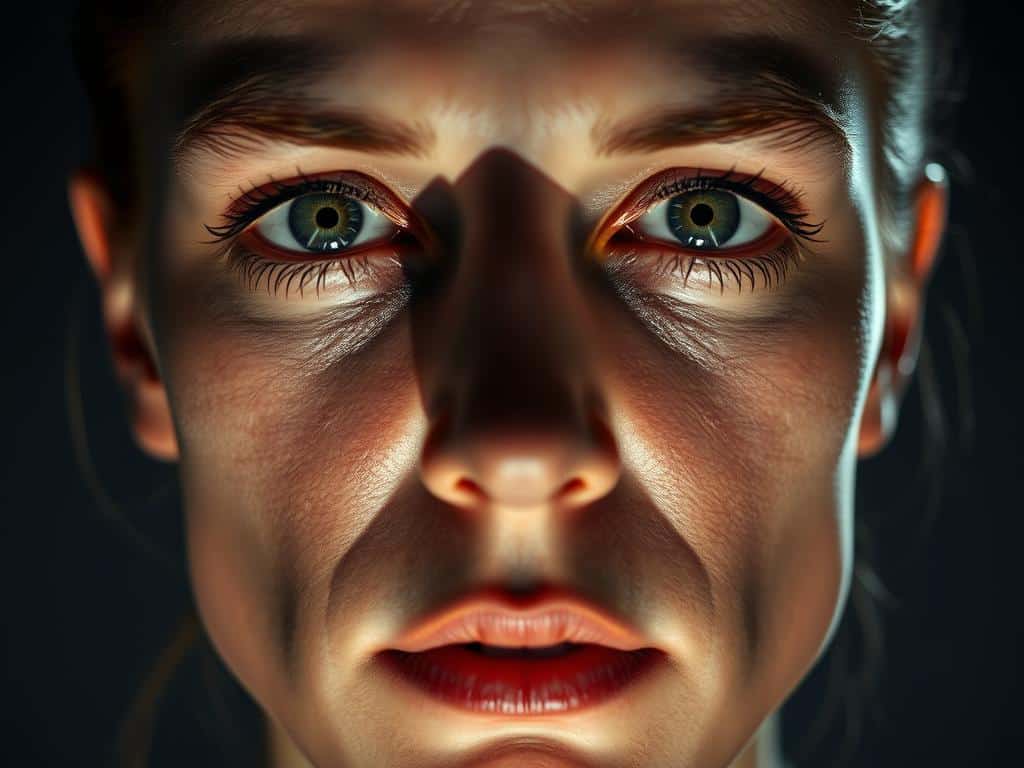
One evening, while on my couch, I saw a video on social media that caught my eye. It said “BREAKING: JON SNOW FINALLY APOLOGIZED FOR SEASON 8.” It had over 2 million views and thousands of comments. The video looked so real, I wondered if it was a real press release.
This made me think about deepfake technology. It was created in 2017 by someone on Reddit. Now, anyone with basic skills can make fake videos that look very real. These videos entertain and confuse us, but they also make us question what’s real online.
As the lines between real and fake blur, I worry about how we’ll know what’s true. How long before it’s hard to tell the difference?
Deepfakes can be used for bad things like political tricks or invading privacy. It’s important to understand both the good and bad sides of this technology. As we move through the digital world, we need to be careful.
Key Takeaways
- Deepfake technology enables the creation of highly realistic fake videos, often indistinguishable from reality.
- Its democratization began in 2017, leading to widespread accessibility and potentially harmful misuse.
- Deepfakes pose serious threats to democracy, with big risks during election times.
- Methods to spot deepfakes are struggling to keep up with new tech.
- Most deepfakes are nonconsensual, raising big privacy concerns.
- There’s a lack of laws to control deepfake technology, leaving us without clear rules.
What Are Deepfake Technology and Its Origins?
Deepfake technology combines artificial intelligence and deep learning to create fake videos and audio. It lets users make content that can fool people. This tech uses generative adversarial networks (GANs) to change visuals and sounds.
As we dive into this tech, we see how it changes society and how we talk to each other.
Definition and Explanation of Deepfakes
The term “deepfake” started in late 2017, linked to porn. It quickly became known for spreading false information. Now, it can change how we see and hear people, including famous ones.
This has made us question the truth in our world. Fake videos can spread fast, affecting politics and opinions.
How Deepfakes Became Accessible
Deepfake tech wasn’t just for experts anymore. An anonymous Reddit user made it easy for anyone to make fake videos. Now, 40 U.S. states are thinking about laws to control it.
This easy access makes us wonder about rules and ethics. The Deepfakes Accountability Act wants to add digital watermarks to fake content. States are looking at laws to stop deepfake misuse, like banning fake political ads.
The Threats Posed by Deepfake Technology
Deepfake technology is causing big worries in many areas, like misinformation and political tricks. It’s getting easier to make fake videos that look real. This is changing how we see and understand information.
Misinformation and Political Manipulation
Deepfakes can spread false information, which is very scary. They can make it seem like politicians are saying things they didn’t. This has already happened in big events, like the 2020 U.S. election. It makes it hard for people to know what’s true.
This can hurt democracy. It makes voters unsure of what to believe. This can split our political world.
Impact on Personal Privacy and Safety
Deepfakes also threaten our privacy. Most deepfakes online are about sharing videos without consent, mostly about celebrities. This is a big invasion of privacy and can hurt people’s feelings.
This problem is not just for celebrities. It affects how we think about privacy and consent. Anyone can be a victim in our digital world.
Cybersecurity Threats
Cybersecurity is facing big challenges with deepfakes. For example, a fake voice call tricked a CEO into giving away €220,000. This shows how deepfakes can be used for fraud and spying.
Businesses need to be very careful. The U.S. could lose up to $40 billion to deepfake scams by 2027. It’s more important than ever to have strong security.
Use Cases and Potential Benefits of Deepfakes
Deepfake technology has a lot of good uses, even though it’s often talked about in a bad way. It’s changing things in entertainment and healthcare. These changes are exciting and could make our lives better.
Positive Applications in Entertainment
Deepfakes are changing how we tell stories in movies and TV. For example, a recent *Indiana Jones* film used deepfake to make an actor look 40 years younger. This makes movies feel more real and engaging.
It also lets filmmakers bring back actors who have passed away. This adds depth and emotion to stories. With AI getting better all the time, the possibilities for creative storytelling are endless.
Healthcare Innovations
Deepfakes are also helping in healthcare. They can restore a patient’s voice if they’ve lost it. This helps patients communicate better and more naturally.
It also helps doctors and nurses connect with their patients. Deepfakes can even create fake patients for training. This makes learning more interactive and effective. It’s a big step towards better medical care and happier patients.
Conclusion
Looking back at deepfake technology’s growth, we see big changes for society. The dangers of deepfakes, like spreading false information and putting people in danger, are real. With a 700% jump in deepfake cases in finance, we need to act fast.
Technology brings us new ideas and ways to create, but it also has big effects on us. Laws, like the Senate bill against harmful deepfakes, are a start. But we must balance these laws with our freedom of speech and industry worries.
While detection tools are getting better, they’re not perfect. Deepfake content spreads fast, making it hard to keep up. This shows how important it is for everyone to stay informed.
To use deepfake tech wisely, we all need to be careful. We should support research, like DARPA’s Media Forensics program. This way, we can enjoy the benefits while staying safe.
