These AI Cameras Are Smarter Than Photographers!
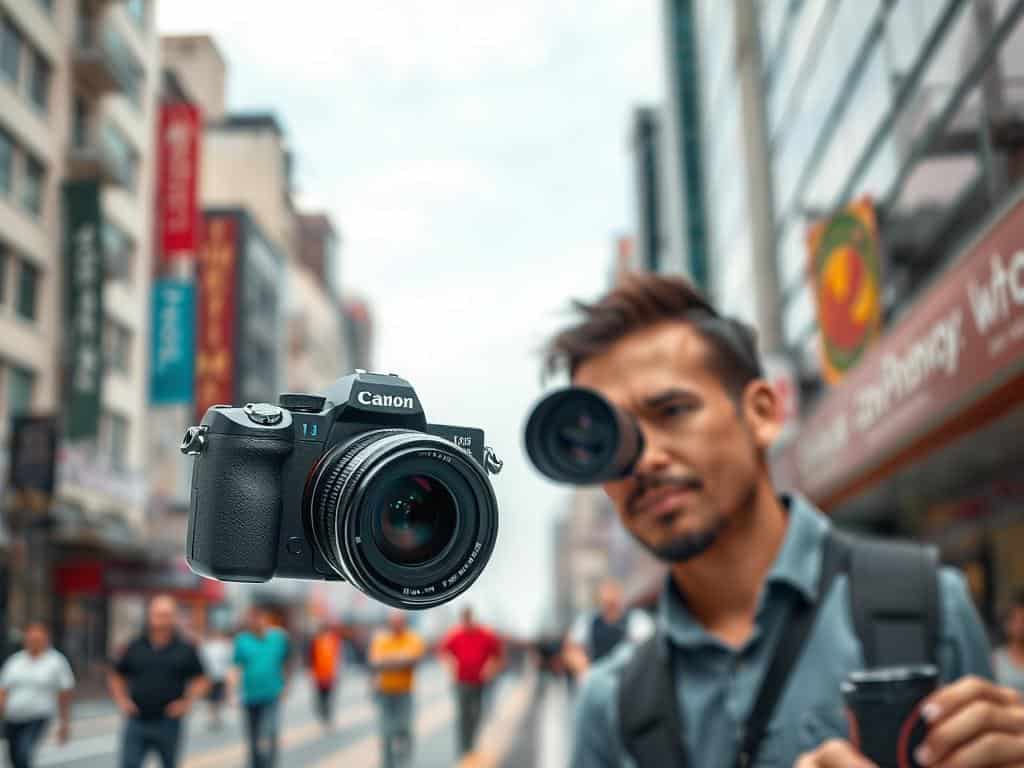
As a photographer, I’ve always been proud of my work. I recall a tough photoshoot at a local wildlife reserve. Capturing the perfect shot of a soaring eagle was a challenge. I had my DSLR camera ready, but I missed some great shots.
Just when I was about to leave, a fellow photographer came by with an AI camera. He clicked a few times and got amazing photos with perfect clarity and colors. This made me think about how AI cameras could change photography.
With features like machine learning and auto-editing, AI cameras are getting better. They can help photographers take their work to the next level. It’s time to explore how these innovations are changing photography.
Key Takeaways
- AI cameras significantly reduce the time lag and missed focus occurrences in photography.
- Modern AI autofocus delivers improved accuracy, particularlly in fast-paced environments like sports and wildlife.
- AI-enhanced eye detection improves portrait photography quality and engagement.
- Smartphone camera apps employing AI automatically enhance image settings, aiding both beginners and professionals.
- The integration of AI technology has made achieving professional-quality photography more accessible to everyone.
The Rise of AI-Powered Cameras in Photography
Photography is changing fast thanks to AI-powered cameras. These tools are making photography better and changing it. They help us take pictures in new ways.
Understanding AI’s Role in Modern Photography
AI is a big help for photographers. It makes pictures look better and makes taking photos easier. For example, AI can adjust things like brightness and color automatically.
This lets photographers focus on their creativity. By 2024, the AI photography market could hit $4.58 billion. This shows how much we’re using technology to help us.
The Evolution from Traditional to AI Technology
Old cameras needed manual focus, which was often wrong and slow. AI cameras have changed this. Now, cameras like the Canon EOS R5 use AI to find eyes and take better pictures.
Working with these cameras, I see how much better they are. AI cameras are leading the way in photography. They help all photographers take amazing photos easily.
Benefits of Using AI-Powered Cameras
AI technology has changed photography a lot. It makes taking photos better and easier. AI-Powered Cameras use machine learning to improve autofocus systems. This means you can get the perfect shot more often.
Enhancing Autofocus Systems with Machine Learning
Machine learning in autofocus systems makes cameras better at catching moving subjects. When I’m taking photos of fast-moving things, the camera focuses quickly and accurately. This is great for wildlife photographers who face challenges with moving subjects.
Features like eye detection and advanced subject tracking help a lot. They let me focus more on creativity and less on technical stuff.
Auto-Editing Capabilities that Streamline Workflow
AI technology also helps with editing photos. Many AI-Powered Cameras have auto-editing tools. These tools adjust exposure, color, and sharpness quickly.
This makes my editing work much faster. I can spend more time on the creative parts of photography. This is good for both pros and hobbyists, leading to better photos and more work done.
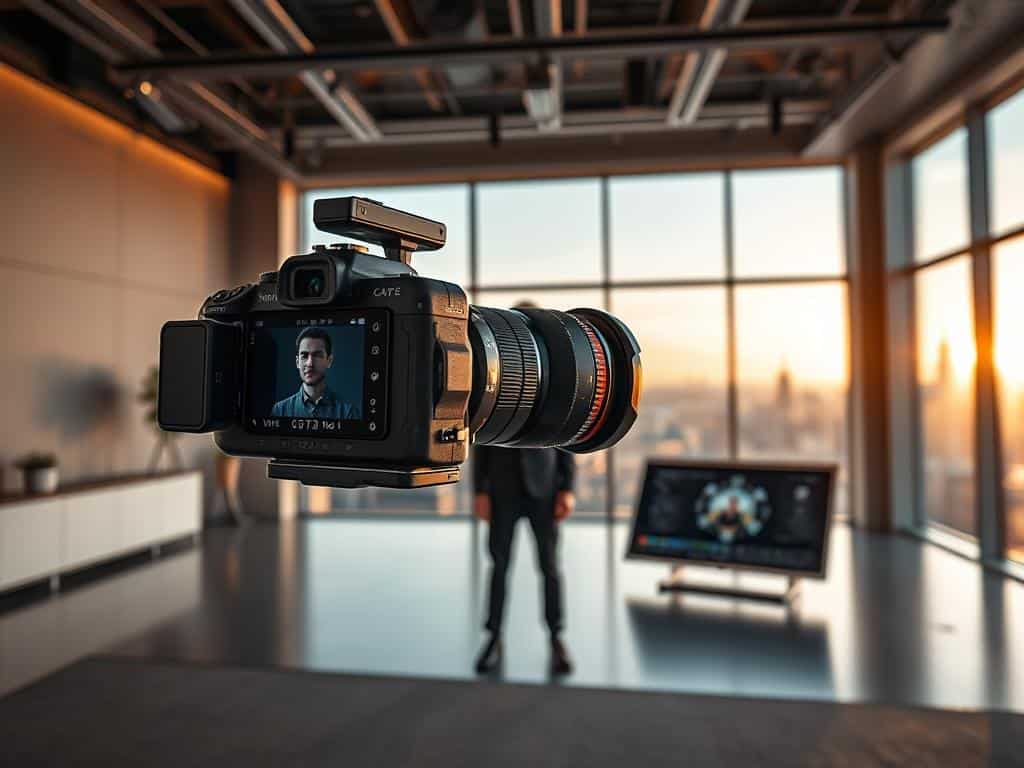
How AI-Powered Cameras Outperform Traditional Techniques
AI-Powered Cameras have changed photography a lot. They are great at finding and following subjects. This is better than old autofocus systems.
Old methods can’t keep up with fast subjects. But AI uses smart algorithms to quickly find and focus on subjects. This means photographers get sharper photos in busy places like sports or wildlife.
Subject Detection and Tracking
AI-Powered Cameras are way better at finding and tracking subjects. They look at many images to find and focus on important parts. This is great for catching fast action, like a bird flying or a car racing.
They can keep focus even when it’s hard. This means more photos turn out well. It helps photographers do better in work and personal projects.
Real-Time Adjustments in Challenging Conditions
AI-Powered Cameras also make quick changes to improve photos in tough conditions. They use machine learning to adjust settings like exposure and white balance. This helps them handle changes in light and movement.
I’ve seen these cameras work well in hard situations, like dark places or strong contrasts. They adjust fast to keep photos clear and detailed. This makes it easier for photographers to take amazing photos with less work.
Conclusion
The rise of AI-Powered Cameras is changing photography in big ways. These cameras bring new tools to our work, making photos better and faster. They help us focus on what’s most important: our art.
Some might worry AI will take over our creativity. But I see it as a chance to grow, not replace us. AI helps us do the easy stuff, so we can dive deeper into our art.
Exploring AI in photography gets me even more excited for what’s next. AI cameras will help us tell stories with images in new, exciting ways. I’m looking forward to seeing how they’ll improve my photos.
