Holographic Screens Are Finallly Here!
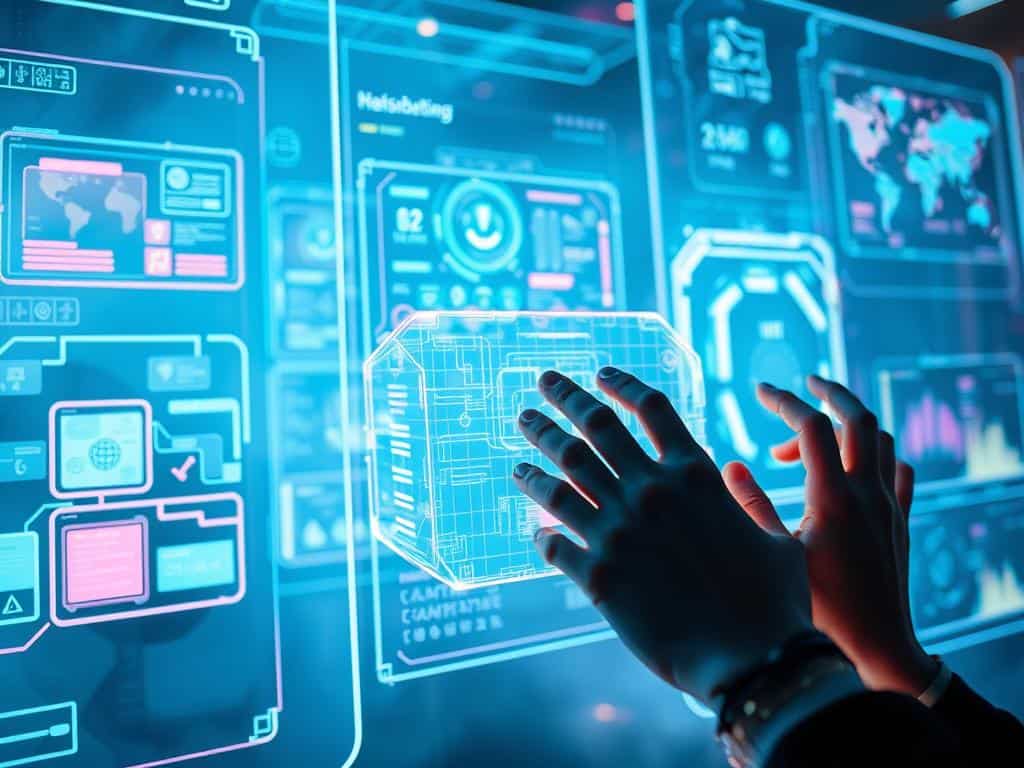
In a world where futuristic tech often feels like a distant dream, I remember my childhood excitement. I watched characters manipulate holographic displays in film classics. Those moments made me yearn for a reality where the line between physical and digital blurred seamlessly.
Fast forward to today, and I am thrilled to share that those fictional depictions are no longer confined to the silver screen. Companies like LookingGlass have brought holographic displays to life. Now, anyone can interact with stunning 3D visuals without headsets or special glasses.
This incredible leap in technology not only revives those cherished memories but opens doors to innovative applications. It suggests a bright future filled with endless possibilities in creative fields.
Key Takeaways
- Holographic displays now utilize a single spatial light modulator, simplifying production.
- Advancements could lead to consumer-grade holographic tech, as demonstrated using an iPhone 14.
- The novel method aims to reduce costs and complexity in holography.
- Realistic 3D displays may enhance augmented and virtual reality experiences.
- Research focus is on increasing layers for improved holographic image realism.
- This breakthrough could also reduce eye strain in virtual reality systems.
The Rise of Holographic Displays
Holographic displays have moved from science fiction to real life. What we saw in movies is now part of our daily lives. Companies like LookingGlass are making these devices more available, helping them become a big part of our future.
From Science Fiction to Reality
Holographic displays have made a big leap. They were once only in sci-fi stories, but now they’re everywhere. People are excited about them, from doctors to movie fans. Holograms are changing how we see the world, opening up new ways to innovate.
Market Growth Predictions
The future of holographic displays looks bright. The market is expected to grow a lot, reaching USD 82.8 billion by 2032. This is a huge jump from USD 7.9 billion in 2023. North America and Asia-Pacific are leading this growth, thanks to their tech innovation.
Innovative Uses of Holographic Displays
Holographic displays are changing many industries in exciting ways. They make experiences more immersive and interactive. This technology is just starting to show its full power, with many areas already seeing its benefits.
Applications in Healthcare
In healthcare, holographic displays are making a big difference. Doctors can now use 3D visuals for better diagnostics and remote talks. This helps patients who can’t move easily, as it makes doctor visits more interactive.
Companies like Holomoves are using Mixed-Reality software for patient care. They create fun games that help patients recover faster.
Entertainment and Retail Prospects
The entertainment world loves holographic displays. Big names like Nike and Pepsi use them in ads that grab people’s attention. Light Field Lab’s SolidLight system offers amazing visuals for games and engineering.
In retail, events like Loro Piana popups use holographic displays to engage customers. They show products in stunning detail. Holographic technology brings creativity and effectiveness to these fields, showing its value beyond just looks.
Conclusion
The arrival of holographic displays is a big step forward in our digital world. I’m excited to see how these technologies will change how we view 3D content. They will likely impact many areas, like healthcare, entertainment, and shopping.
Right now, we see mostly near-holographic effects. But true holography is a challenge we’re yet to conquer. It’s like we might go to Mars before we see holography in everyday life.
The holographic display market is expected to grow a lot, reaching USD 3.45 billion by 2028. This growth shows the huge impact of holography on the future of media. Companies like Magnetic 3D are leading this change with new tools and platforms.
AI and ML are making holographic systems more interactive and smart. This means we’re on the path to a more immersive experience than what traditional media offers. As we move forward with holographic technology, the possibilities are endless. It’s a big change that’s just starting to happen.
