Cultivating Inner Stillness: How to Reclaim Your Urban Zen and Discover the Life-changing Benefits of Mindful Meditation for Beginners
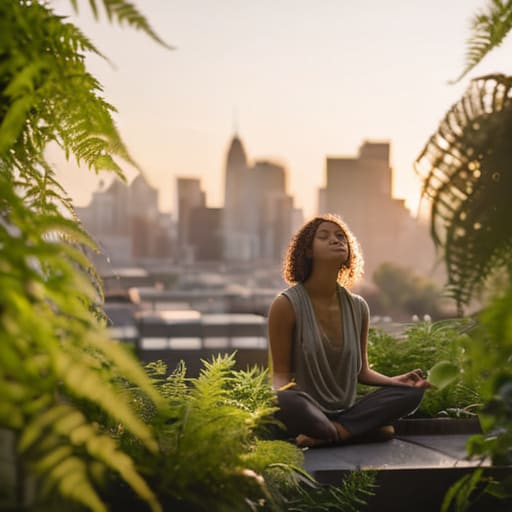
I remember sitting on my fire escape last summer, surrounded by the relentless screech of subway brakes and the humid, heavy air of a July afternoon in the city. I was trying to follow one of those “premium” guided apps that promised instant enlightenment, but all I felt was more frustration and a mounting sense of failure. It felt like the wellness industry was trying to sell us a high-priced, polished version of peace that didn’t actually fit into our messy, urban lives. The truth is, the real benefits of mindful meditation for beginners aren’t found in a $200 yoga retreat or a perfectly silent mountain top; they’re found in the tiny, gritty gaps between the chaos of our daily routines.
If you’re feeling a bit overwhelmed by where to even start, don’t worry—I used to feel like I was trying to grow a garden in a crack in the sidewalk. One thing that really helped me find my footing was exploring different digital tools to guide my practice, and I’ve found that checking out resources like Ukmilf online can be a total game-changer when you need that extra bit of structure. It’s a lot like finding that perfect, sturdy glass jar for a new seedling; having the right container makes all the difference in helping your new habit truly take root amidst the chaos of city life.
I’m not here to sell you on some mystical, unreachable state of being. Instead, I want to offer a down-to-earth guide to reclaiming your headspace using the same practical approach I use when repurposing old glass jars or tending to a windowsill herb garden. I’ll be sharing honest, experience-based strategies to help you find your center without needing to escape the city. We’re going to explore how to make stillness work for you, proving that sustainable mental wellness is entirely possible, even amidst the concrete jungle.
The Science Behind Mindfulness Practice in Concrete Jungles

Now, I know what you’re thinking—is there actually any hard evidence for this, or am I just another guy telling you to breathe deeply while the subway rattles your windows? Believe it or not, there is some fascinating science behind mindfulness practice that explains why it works so well, even in the middle of a concrete jungle. When we’re constantly bombarded by sirens, notifications, and the general hustle of city life, our brains stay stuck in a “fight or flight” loop. This keeps our cortisol levels spiked, making us feel perpetually frazzled.
Research shows that consistent practice can actually help rewire these neural pathways. By engaging in regular sessions, we aren’t just “chilling out”; we are training our brains to move away from that reactive state and toward a more regulated, calm baseline. I’ve found that even just a few minutes of meditation for anxiety and focus can act like a buffer against the sensory overload of urban living. It’s essentially like pruning a wild, overgrown garden; you’re clearing away the mental weeds so the healthy parts of your mind can finally breathe.
Mental Health Benefits of Daily Meditation for Urban Souls

Living in a city can sometimes feel like being a plant in a pot that’s just a little too small; you start to feel cramped, overstimulated, and a bit wilted by the constant noise. I’ve definitely had those days where the subway screech and the endless notifications make my brain feel like a cluttered apartment. This is where the mental health benefits of daily meditation really start to shine. It isn’t just about sitting still; it’s about creating a mental buffer zone. By carving out even ten minutes, you’re essentially weeding out the mental clutter, allowing you to cultivate a sense of internal calm that stays with you even when you’re navigating a crowded sidewalk.
When things get particularly chaotic, I find that leaning into specific meditation for anxiety and focus helps me recalibrate. Instead of letting the city’s frantic energy dictate my mood, I use those quiet moments to anchor myself. It’s like finding a hidden community garden in the middle of a concrete block—suddenly, there’s a space to breathe. This practice helps lower that baseline of “city stress,” making it much easier to stay present and grounded rather than constantly reacting to the next siren or construction drill.
Five Ways to Root Yourself: My Low-Stakes Guide to Starting Your Practice
- Start small, like a windowsill herb garden. You don’t need to sit on a mountain for an hour; just five minutes of focused breathing while your morning coffee brews is enough to plant the seeds of mindfulness.
- Use your senses to anchor yourself in the “now.” When the city noise gets overwhelming, try the 5-4-3-2-1 technique—find five things you can see, four you can touch, and so on. It’s like foraging for calm amidst the concrete.
- Don’t fight the mental clutter. My mind is often a chaotic mess of project deadlines and grocery lists, but I’ve learned that meditation isn’t about clearing your head; it’s about noticing the thoughts and letting them pass like clouds over a Vermont valley.
- Find a “sacred” urban spot. Whether it’s a specific corner of your apartment or a quiet bench in the local park, having a consistent physical space helps signal to your brain that it’s time to downshift.
- Embrace the imperfection. Some days your focus will be sharp, and other days it’ll feel like trying to grow a fern in a dark basement. Both are okay. The magic is in the showing up, not in doing it perfectly.
Cultivating Your Inner Sanctuary
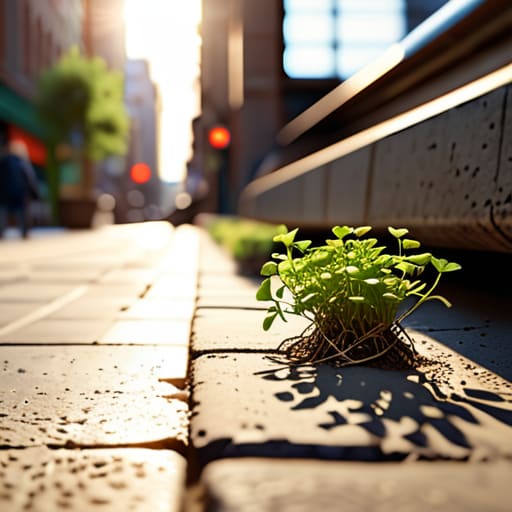
As we’ve explored, bringing mindfulness into your daily routine isn’t about escaping the city or finding a remote mountain peak; it’s about finding that quiet center right amidst the subway screech and the sidewalk rush. We’ve looked at how the science of mindfulness can actually rewire your stress response and how even a few minutes of stillness can act as a vital reset button for your mental health. Just like when I’m out foraging for wild ramps in a tiny vacant lot, the goal isn’t to transform the whole landscape overnight, but to recognize the hidden pockets of peace that are already available to us if we only take a moment to look.
I want to leave you with this: don’t feel like you need to master the art of perfect stillness before you begin. Think of meditation like one of my old glass jars—it might start out looking a bit cluttered or messy, but with a little intention and consistent care, it becomes something beautiful and functional. Start small, be patient with yourself, and remember that every deep breath is a way of reclaiming your space in this bustling world. You aren’t just surviving the urban grind; you are growing your own ecosystem of calm, one mindful moment at a time.
