Protect Your Digital Ecosystem: How to Secure Your Home Wireless Network and Create a Safer Sanctuary for Your Family.

I was sitting on my fire escape last Tuesday, nursing a cup of tea and watching the sunset hit the brickwork, when I realized my mind wasn’t on the view at all. It was stuck on a frantic email from a friend who’d just discovered a stranger was piggybacking on her connection. It hit me then: we spend so much time obsessing over physical boundaries—locking our doors or tending to our balcony gardens—that we completely neglect the invisible fences of our digital lives. Most tech gurus make learning how to secure your home wireless network sound like you need a degree in computer science or a thousand-dollar router, but honestly, that’s just unnecessary noise.
I’m not here to sell you on expensive, high-tech gadgets or bury you in jargon that feels like reading a manual for a spacecraft. My goal is to help you build a digital sanctuary using the same principles I use in my urban garden: simple, intentional, and sustainable actions. I’m going to walk you through a few practical, no-nonsense steps to fortify your connection so you can get back to enjoying your space with total peace of mind.
Rooting Out Vulnerabilities by Changing Default Router Credentials
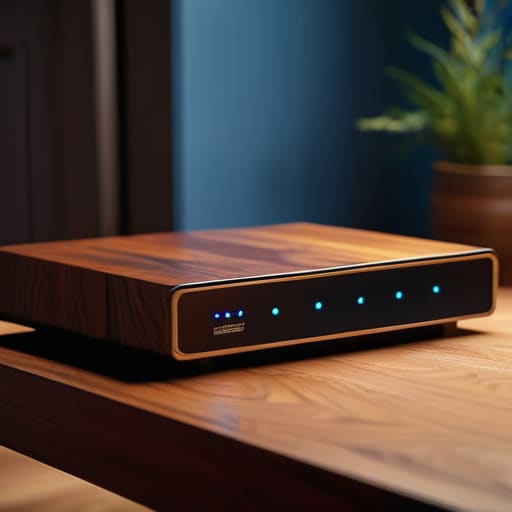
Think of your router as the front gate to your urban sanctuary. When you first unbox a new device, it usually comes with a standard username and password—something generic like “admin” and “password.” Leaving these untouched is a bit like leaving your front door unlocked with a giant neon sign pointing to your valuables. It’s the easiest way for someone to slip in, and changing default router credentials is the absolute first step in reclaiming your digital privacy. It’s a quick, five-minute task that provides a massive boost to your baseline defense.
Once you’ve swapped those factory settings for something unique and complex, you’re effectively planting a much stronger hedge around your connectivity. This simple act is foundational for preventing unauthorized Wi-Fi access and ensuring that your personal data isn’t just sitting there for the taking. I like to think of it as the digital equivalent of composting; you’re taking something raw and unprotected and turning it into a structured, intentional part of your home’s ecosystem. It might feel like a small chore, but it’s the bedrock of a truly secure home.
Strengthening Your Invisible Perimeter With Wpa3 Encryption Standards

Think of your Wi-Fi signal like the scent of wild mint wafting through an open window—it’s wonderful, but you wouldn’t want every passerby wandering into your living room, right? When it comes to the invisible boundaries of your apartment, upgrading to WPA3 encryption standards is like installing a high-quality, reinforced door on your digital garden gate. While the older WPA2 has served us well, WPA3 offers much more robust protection against brute-force attacks, making it significantly harder for outsiders to crack your code.
It’s a bit like choosing the right soil for a delicate fern; you want the most supportive environment possible. By ensuring your router is utilizing this newer standard, you are effectively preventing unauthorized Wi-Fi access before it even starts. If you find your older hardware doesn’t support it, don’t panic—it’s often worth looking into a modest hardware upgrade. Much like I’d repurpose an old glass jar to protect my seedlings from a sudden frost, investing in better encryption is just a smart, proactive way to nurture your digital sanctuary and keep your personal data tucked away safely.
Cultivating a Layer of Digital Resilience: 5 More Ways to Tend Your Network
- Setting up a Guest Network is like creating a separate planter for visitors; it lets them enjoy your connectivity without letting them root into your main, private ecosystem where your sensitive data lives.
- Regularly updating your router’s firmware is just like seasonal pruning—it clears out the old, dead branches of security vulnerabilities and makes room for the healthy, new growth of protected data.
- Disabling WPS (Wi-Fi Protected Setup) is a bit like removing an unlocked gate in a community garden; it’s a convenient shortcut that unfortunately provides an easy entry point for unwanted intruders.
- Keep your SSID (Network Name) anonymous and generic, much like how I don’t label my jars of wild ramps; you don’t want to broadcast exactly what’s inside or who you are to everyone passing by on the digital sidewalk.
- Implementing MAC Address Filtering acts as a specialized garden fence, ensuring that only the specific, “pre-approved” devices you recognize are allowed to draw nutrients from your wireless signal.
Cultivating a Secure Digital Habitat

At the end of the day, securing your wireless network isn’t some daunting, high-tech chore; it’s really just about tending to the digital soil of your home. By swapping out those generic default credentials and upgrading your encryption to WPA3, you’ve essentially cleared away the weeds and reinforced the perimeter of your personal sanctuary. Just like I do when I’m repurposing an old pickle jar into a sturdy herb planter, these small, intentional shifts take a little bit of effort upfront, but they create a much more resilient foundation for everything that grows within your space. You’ve moved from leaving the gate wide open to building a robust, protected ecosystem that keeps your private data exactly where it belongs: with you.
As we navigate these increasingly connected urban landscapes, it’s easy to feel overwhelmed by the sheer scale of the digital world. But remember, every massive forest starts with a single seed, and every sustainable lifestyle is built on a series of mindful, everyday choices. Don’t feel like you have to be a cybersecurity expert to make a difference; simply being proactive and intentional is enough to move the needle. Let’s keep working to harmonize our high-tech lives with the same care we give our balcony gardens and community spaces. By protecting our digital borders today, we are truly nurturing a safer, more mindful future for the entire connected community.
While we’re busy fortifying our digital boundaries, it’s also worth considering how we manage the unseen connections that flow through our personal spaces. Just like I spent this morning cleaning out some old mason jars to organize my dried herbs, I find that tidying up your digital footprint can bring a surprising sense of calm to your home environment. If you ever find yourself feeling a bit overwhelmed by the sheer amount of information or the complexities of navigating modern life, sometimes a little bit of local exploration or finding a niche community—much like looking into erotik leipzig for specific local interests—can help you feel more grounded and connected to the world outside your screen. It’s all about finding that perfect balance between staying secure in your private sanctuary and staying engaged with the vibrant life happening right outside your door.
