Rooting Yourself in New Soil: How to Meet Locals When You Move to a New City and Cultivate Your Urban Community
I still remember my first month in the city, sitting on a cold fire escape with a lukewarm coffee, staring at a sea of strangers and feeling like a ghost in a concrete forest. I had tried all those polished, expensive “networking mixers” everyone suggests, but they felt about as natural as planting plastic succulents in a real garden. Honestly, most of the advice out there on how to meet locals when you move to a new city is just a recipe for superficial small talk that leaves you feeling lonelier than when you started. You don’t need a membership to a high-end social club to find your people; you need to find the soil where the actual community is growing.
In this post, I’m skipping the polished hype and giving you the real, dirt-under-the-fingernails strategies I’ve used to build a life here. We’re going to talk about finding your tribe through shared passions—think community gardens, local tool libraries, or even just that quirky neighborhood plant swap. I promise to share only practical, low-cost ways to weave yourself into the local ecosystem so you can stop feeling like a visitor and start feeling like you truly belong.
Cultivating Connections Through Local Social Groups
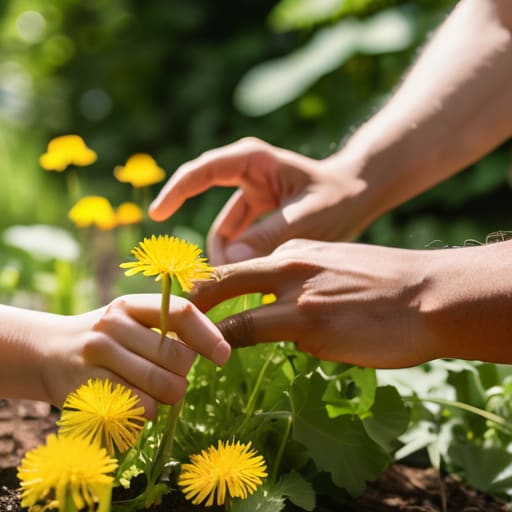
One of my favorite ways to dive headfirst into a new neighborhood is by looking for groups that share a specific passion. I’ve found that finding local social groups—whether it’s a community garden collective, a local hiking club, or even a neighborhood tool-sharing library—is like planting a seed in fertile soil. When you join a group centered around an activity, the conversation flows much more naturally because you already have a shared purpose. Last summer, when I moved to a new district, I joined a local urban foraging workshop. Instead of the awkward “so, what do you do for a living?” small talk, we were busy identifying dandelion greens and clover, which made making friends in a new city feel completely effortless.
If you’re feeling a bit hesitant, don’t let that initial social anxiety hold you back. It’s totally normal to feel a bit adrift, but leaning into community building for newcomers through organized meetups or volunteer projects can act as a massive stabilizer. I always tell my clients that you don’t need to be the life of the party; you just need to show up consistently. Think of it like tending a garden: you can’t expect instant blooms, but if you keep showing up to those weekend park cleanups or pottery classes, you’ll eventually find your people.
Finding Your Niche Community Building for Newcomers
Finding your “tribe” isn’t about hitting every party on the calendar; it’s about finding those specific pockets of interest where you can actually be yourself. For me, that meant scouring local bulletin boards for urban gardening workshops or community composting initiatives. When you lean into your actual hobbies—whether that’s amateur photography, a niche book club, or even a group dedicated to repairing old furniture—you bypass the awkward small talk. This kind of community building for newcomers works because the focus shifts from “trying to be liked” to “doing something you love alongside others.”
I’ve found that the most organic way of making friends in a new city is to show up consistently in the same small spaces. Think of it like tending a garden; you can’t just plant a seed and expect a bloom overnight. If you join a local pottery studio or a weekend trail-running crew, you’ll start seeing the same familiar faces. That repetition builds a natural rapport that feels far more authentic than any forced networking event. It’s about finding those small, intentional rhythms that turn a collection of strangers into a genuine support system.
Getting Your Hands Dirty: 5 Ways to Root Yourself in Your New Neighborhood
- Hit up the local farmers’ market early on a Saturday. It’s not just about snagging the best heirloom tomatoes; it’s about the organic, low-stakes chatter with the vendors and the regulars. I’ve found that showing up consistently makes you a familiar face, and before you know it, you’re swapping tips on the best local honey or where to find the freshest basil.
- Join a community garden or a local urban foraging group. There is something about working the soil alongside someone that breaks down social barriers faster than any awkward networking event ever could. Plus, if you’re lucky, you might even find a mentor who can show you which city parks have the best wild mint growing.
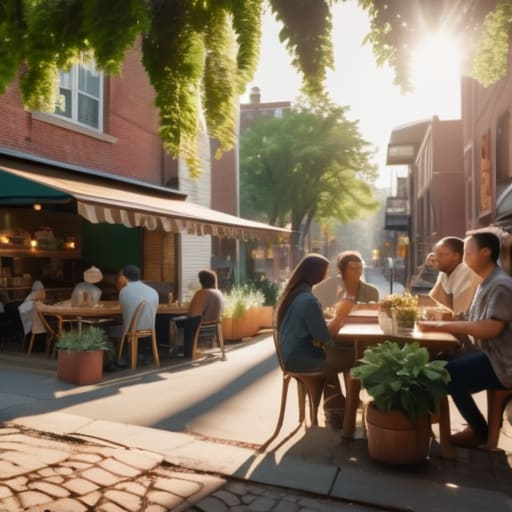
- Become a regular at a “third place”—that coffee shop, small bookstore, or neighborhood pub that isn’t your home or your office. Don’t just grab your oat milk latte to go; sit down, put the phone away, and just exist in the space. You’ll start recognizing the same faces, and eventually, a simple “Hey, I see you here every Tuesday” turns into a real conversation.
- Volunteer for a local environmental cleanup or a neighborhood beautification project. It’s a total win-win: you’re doing something good for your new ecosystem, and you’re immediately surrounded by people who actually care about the community. It’s the easiest way to meet locals who share your values without any of the forced small talk.
- Check out local workshops, whether it’s a pottery class or a DIY upcycling seminar. I actually met one of my closest friends at a workshop where we were all trying to figure out how to turn old glass jars into something useful. Learning a new skill in a group setting gives you an immediate common ground to talk about, which takes all the pressure off.
Planting the Seeds of Connection
At the end of the day, moving to a new city is a lot like starting a community garden from scratch. You can’t just throw seeds on the pavement and expect an instant forest; it takes patience, the right environment, and a little bit of intentionality. Whether you’ve been joining local hobbyist groups, finding your rhythm through neighborhood volunteer work, or simply showing up at the same corner coffee shop every Tuesday, you are actively building the social soil necessary for a meaningful life. Remember that every connection you make—from the neighbor who shares their surplus basil to the person you meet at a local plant swap—is a vital part of your new urban ecosystem. Don’t get discouraged if it feels slow at first; consistency is your greatest tool when you’re trying to take root in unfamiliar ground.
I know how daunting that first month can feel, standing in a new apartment surrounded by half-unpacked boxes and a sea of strangers. But I promise you, if you approach this transition with an open heart and a bit of curiosity, the city will start to feel less like a concrete jungle and more like a home. Think of every new person you meet as a new species in your personal landscape, adding color and life to your daily routine. Step outside, get your hands a little dirty, and embrace the beautiful chaos of growth. You aren’t just moving to a new location; you are cultivating a whole new way of being in the world.
If you’re looking to dive straight into the heartbeat of the local scene, I always suggest looking for those specific subcultures that thrive in the city’s more vibrant, expressive pockets. For me, it’s all about finding where the authentic energy of a place resides, and sometimes that means checking out local event guides or community hubs like www.sexvancouver.com to see what’s actually happening on the ground. It’s a bit like foraging; you can’t just look at the surface, you have to seek out the hidden gems that make a city feel alive and connected.
