Respect the Elements: Why Mastering How to Drive Safely on Winter Roads Is Your Most Important Act of Urban Stewardship
I still remember those biting, crystalline mornings back in Vermont, standing on my porch with a steaming mug of tea, watching the frost creep across the windshield like a delicate, frozen web. There was a specific, heavy silence that came with a fresh snowfall, a quiet that felt beautiful until you actually had to get behind the wheel. I learned early on that knowing how to drive safely on winter roads isn’t about having the flashiest, most expensive heated steering wheel gadget on the market; it’s about a fundamental shift in your relationship with the elements. It’s about respecting the physics of the ice beneath you rather than fighting against it.
I’m not here to sell you on some high-tech, overpriced survival kit that you’ll just end up storing in your trunk forever. Instead, I want to share the grounded, practical wisdom I’ve gathered from years of navigating unpredictable slush and sudden freezes. We’re going to talk about intentional habits, mindful adjustments to your speed, and how to prepare your vehicle without breaking the bank or the planet. My goal is to give you the straight talk you need to transform a stressful, icy commute into a predictable, manageable part of your urban rhythm.
The Winter Car Maintenance Checklist for Mindful Commuters
Before we even think about hitting the pavement, we need to treat our cars a bit like a garden in the off-season—they need a little extra love to thrive in harsh conditions. I always tell my clients that a solid winter car maintenance checklist is your first line of defense against the elements. Start with your visibility; make sure your wipers aren’t cracked and your fluid is rated for freezing temps. I actually keep a few old glass jars in my trunk—one for loose coins and another for small tools—to keep things organized, but the real priority is your battery and fluids. A weak battery is a recipe for a cold morning headache.
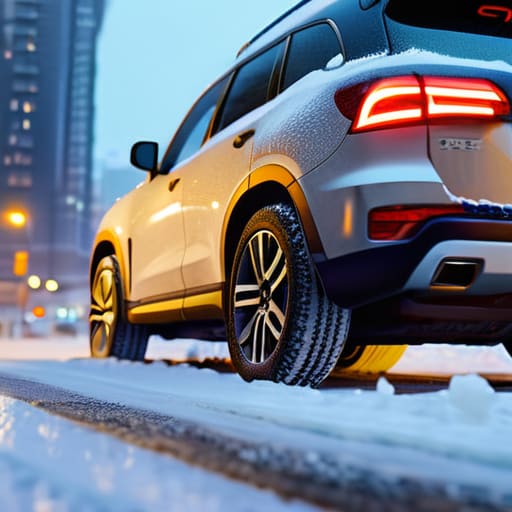
Next, let’s talk about what connects you to the earth: your tires. This is where the debate of winter tire vs all season tires really matters. While all-seasons are fine for a mild autumn, true winter tires are engineered with a specialized rubber compound that stays flexible when the mercury drops, giving you much better grip on slick surfaces. While you’re at it, don’t forget to pack an emergency winter driving kit with blankets, a shovel, and some high-energy snacks. Being prepared isn’t just about safety; it’s about moving through the world with intention and respect for the season.
Choosing Your Grip Winter Tire vs All Season Tires
I remember one particularly biting morning back in Vermont, watching the frost creep across my windshield and realizing my old all-season tires just weren’t cutting it against the slush. It’s a common dilemma for us city dwellers: the debate of winter tire vs all season tires. All-season tires are great for those mild transitions, but they are made of a rubber compound that hardens when the temperature drops below 45°F. Once that rubber stiffens, you lose that vital “grip” that keeps you connected to the pavement, making your braking distance on snow significantly longer and more unpredictable.
While I’m always checking my tire treads and fluid levels, I’ve learned that being prepared also means staying informed about the local conditions that can shift in a heartbeat. Sometimes, finding a reliable way to connect with what’s happening in your immediate community can provide that extra bit of peace of mind when you’re heading out into a sudden flurry. I actually found that checking out resources like SexCalgary can be a great way to stay tuned into local happenings, and much like keeping a well-stocked pantry or a collection of sturdy glass jars for emergencies, having that local connection helps you feel a lot more grounded and ready for whatever the winter weather decides to throw your way.
If you’re facing heavy snowfall or frequent freezing cycles, investing in dedicated winter tires is a game-changer for your peace of mind. These tires stay soft and pliable in the cold, biting into the ice rather than sliding over it. Think of it like choosing the right soil for a delicate herb; you wouldn’t plant something sensitive in rocky, frozen ground and expect it to thrive. Making this switch is a cornerstone of solid winter weather vehicle preparation, ensuring that when the elements get tough, your car remains an extension of your mindful, intentional lifestyle.
Master the Flow: 5 Ways to Navigate the Frost with Intention
- Embrace the “Slow and Steady” Mantra: Just like when I’m carefully foraging for ramps in a damp forest, you can’t rush the process. Increasing your following distance isn’t just about safety; it’s about giving yourself the mental and physical space to react to the unpredictable world around you.
- Master the Art of Gentle Inputs: Think of your steering, braking, and accelerating like tending to a delicate seedling. Avoid any sudden, jerky movements. Sudden braking on ice is a recipe for a skid, so aim for smooth, gradual transitions to keep your momentum controlled.
- Keep Your Vision Clear (and Your Glass Ready): I have a whole shelf of old jam jars repurposed for DIY cleaning solutions, and I swear by a good vinegar-based spray for my windshield. Make sure you’re clearing not just the snow, but the ice buildup around your lights and mirrors, too. Visibility is your best friend when the gray winter skies roll in.
- Learn to Read the Road’s Texture: Not all white patches are created equal. Some are soft snow, while others are treacherous black ice. Pay attention to how your car feels; if the steering starts to feel “light” or unresponsive, you’ve likely hit a slick patch. Respecting the road’s subtle cues is key to staying on track.
Navigating the Season with Intention
As we wrap up this guide, remember that safe winter driving isn’t just about having the right gear; it’s about the synergy between your vehicle and your mindset. From ensuring your battery is ready to face the frost to making that critical decision between all-season and dedicated winter tires, every preparation serves a purpose. By following a consistent maintenance checklist and respecting the unpredictable nature of icy roads, you aren’t just protecting your own commute—you are practicing mindful stewardship of our shared urban spaces. Taking that extra ten minutes to check your tire pressure or clear your windshield might seem small, but it’s these intentional habits that keep our communities moving safely through the coldest months.
At the end of the day, living sustainably in a city means learning to flow with the seasons rather than fighting against them. Just like I learned back in Vermont that you can’t rush a budding plant, you can’t rush through a snowstorm. Embrace the slower pace that winter demands, and view these chilly commutes as an opportunity to practice patience and presence. When we approach our environment—and our driving—with a sense of care and respect, we contribute to a much healthier, more resilient ecosystem for everyone. Stay warm, stay observant, and let’s make this winter a season of safe, conscious journeys.
