Is Your Passion Draining Your Planet? How to Work Out What a Hobby Really Costs Before It Overwhelms Your Sustainable Lifestyle.
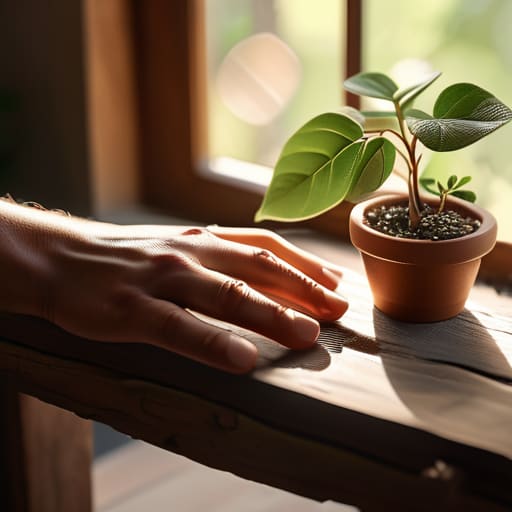
I was sitting on my fire escape the other night, sorting through a mountain of old pasta sauce jars I’d scavenged for a new lantern project, when it hit me: I had no idea if my “sustainable” lifestyle was actually sustainable for my bank account. We’ve all been sold this idea that starting something new—whether it’s urban gardening or photography—should be this seamless, effortless transition, but nobody tells you about the hidden drain of subscription fees, specialized gear, and those “just one more” little additions. If you’re trying to figure out how to work out what a hobby really costs, you quickly realize that the sticker price on the shelf is usually just the tip of the iceberg.
I’m not here to give you a complex spreadsheet or some high-level financial lecture that feels like a chore. Instead, I want to share the real-world math I use to keep my passions alive without compromising my commitment to the planet or my wallet. I’ll show you how to peel back the layers of those sneaky, recurring expenses and find the sweet spot where you can pursue what you love without breaking the bank or contributing to a cycle of mindless consumption.
Uncovering the Hidden Costs of Hobbies in Your Urban Life
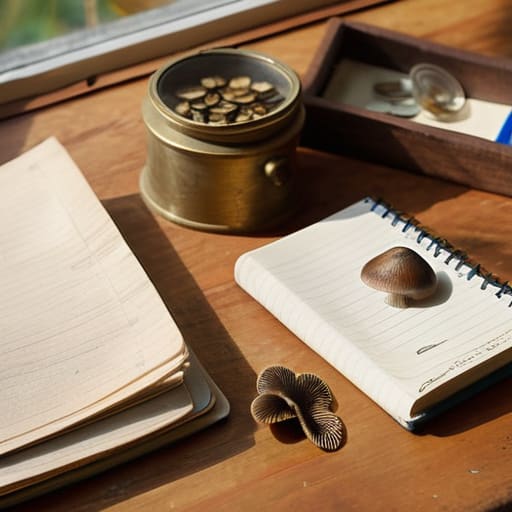
When we talk about picking up something new, we usually just look at the price tag on that fancy new yoga mat or the beginner’s kit for watercolor painting. But if you’re living in a city like I am, the real challenge is digging into the hidden costs of hobbies that don’t show up on a receipt. For me, it wasn’t just the cost of my urban foraging guides; it was the time spent scouting locations and the occasional unexpected expense of a sturdy, reusable specimen bag. It’s easy to overlook those little bits and pieces that slowly add up over a month.
To get a real sense of the impact on your wallet, you have to look at the difference between startup costs vs recurring expenses. A new hobby might feel like a one-time hit to your savings, but it’s the monthly subscription for a craft box or the constant need for more potting soil that really creeps up on you. I’ve learned that managing hobby spending effectively means looking beyond the initial excitement and actually mapping out those ongoing little drains on your bank account.
Startup Costs vs Recurring Expenses Planting Your First Seeds
One thing I’ve learned from years of juggling different projects—from my urban gardening setups to my latest sustainability consulting gigs—is that it’s easy to get caught up in the momentum of a new idea without checking if your current lifestyle can actually sustain it. It’s not just about the money, either; it’s about the mental space and the time you’re committing. If you’re feeling a bit overwhelmed by all the moving parts of your new pursuit, I always suggest taking a moment to see for yourself how much energy you’re truly investing. Getting that clarity early on is the best way to ensure your new passion stays a source of joy rather than becoming just another stressful line item on your to-do list.
Think of your new passion like starting a community garden. You’ve got your initial investment—the heavy lifting, like buying that high-quality yoga mat or a beginner’s set of watercolor paints—and then you have the ongoing upkeep. When I first decided to dive into urban foraging, my startup costs were minimal, but I quickly realized that startup costs vs recurring expenses is where most people trip up. It’s not just about that first big purchase; it’s about the subscription fees, the replacement supplies, and those little “must-have” accessories that sneak up on you over time.
To keep your enthusiasm from wilting, I highly recommend a quick cost-benefit analysis of leisure activities before you commit too deeply. Ask yourself: is this a one-time splurge, or will I be paying a “maintenance fee” every single month? For instance, if you’re into photography, you might buy the camera once, but those extra lenses and cloud storage fees add up. By managing hobby spending from day one, you ensure your new interest remains a source of joy rather than a source of financial stress.
My Five-Step Audit to Keep Your Passion from Draining Your Pocketbook
- Do a deep dive into the “maintenance” side of things. It’s easy to budget for that fancy new camera or a set of high-end gardening tools, but don’t forget to account for the ongoing stuff—like film, specialized soil, or even just the electricity to run your gear. I always treat these like my monthly grocery bill; they add up way faster than you’d think.
- Factor in the “hidden” cost of space. Living in the city means every square inch is precious. If your new hobby involves a massive collection of vintage gear or a sprawling indoor herb garden, ask yourself how much that “lifestyle footprint” is actually costing you in terms of your living environment and organization.
- Track your “commute and convenience” expenses. If your hobby takes you across town to a specific studio or a specialized nursery, those gas prices or subway fares are part of the hobby’s price tag. I once realized my weekend foraging trips were costing me a fortune in transit fees before I started mapping out more efficient routes!
- Look for the “upcycle potential” to offset costs. Before you buy something brand new, see if you can find it secondhand or repurpose what you already have. I’ve saved a small fortune on my indoor plant collection just by scavenging old glass jars from the recycling bin to use as propagation stations.
- Set a “subscription ceiling” for your interests. Many modern hobbies come with digital layers—apps, online courses, or monthly membership boxes. Write down exactly what those monthly hits are so they don’t become “ghost expenses” that quietly eat away at your ability to invest in other sustainable habits.
Finding Your Sustainable Rhythm
At the end of the day, figuring out the true cost of a new passion isn’t just about crunching numbers or staring at a spreadsheet. It’s about looking at the big picture—from those initial gear purchases to the monthly subscriptions and even the hidden energy costs of your new lifestyle. By distinguishing between your one-time startup investments and those sneaky recurring expenses, you can build a budget that actually breathes. Whether you’re diving into urban gardening or learning a new craft, knowing exactly where your money is flowing ensures that your hobby remains a source of joy rather than a source of financial stress.
I truly believe that living sustainably and pursuing our passions go hand in hand. You don’t need a massive bank account to cultivate a rich, fulfilling life in the city; sometimes, all you need is a bit of creativity and a handful of repurposed glass jars. As you embark on this new journey, remember that the most valuable thing you can invest is your own intentionality. Let’s commit to choosing hobbies that nourish our souls without draining our resources or harming the planet. After all, when we live mindfully, we create space for both ourselves and the Earth to thrive.
