Baked to Perfection: Constructing a Diy Kiln for Your Garden

I was standing in my cramped apartment balcony last Tuesday, staring at a pile of sun-dried clay pieces and a massive, overpriced catalog for industrial ceramic ovens, wondering if I’d ever actually see my work turn into real stoneware. It’s a common misconception that you need a massive budget or a sprawling backyard to dive into ceramics, but the truth is that constructing a DIY kiln for pottery is much more about resourcefulness than it is about having a huge bank account. I remember my dad teaching me back in Vermont that you don’t always need the most expensive tool to get the job done; sometimes, you just need to reimagine what you already have on hand.
In this guide, I’m stripping away the intimidating jargon and the high-end price tags to show you how to build a functional, earth-friendly firing setup right where you are. We’re going to walk through the essential materials, the safety protocols you absolutely can’t skip, and the low-impact methods that keep your creative process as green as possible. Whether you’re working with a tiny patio or a small community garden plot, I’ll help you turn those raw materials into a reliable heat source for your art.
Table of Contents
- Step-by-Step Instructions
- Mastering Refractory Brick Selection and Thermal Insulation Materials
- Perfecting Kiln Temperature Control for High Temperature Ceramic Firing
- Pro-Tips for Keeping Your Kiln (and Your Apartment) Happy
- Bringing the Heat Home: My Top Lessons for Your DIY Kiln Journey
- The Heart of the Maker’s Corner
- From Fire to Finished Art
- Frequently Asked Questions
Guide Overview
Tools & Supplies
- Angle grinder with diamond blade for cutting bricks
- Drill with masonry bits for ventilation holes
- Measuring tape for precise brick alignment
- Refractory fire bricks (approx. 50-100 depending on size)
- High-temperature furnace cement (1-2 large tubs)
- Propane tank and burner kit (1 set)
- Thermocouple and digital pyrometer (1 unit)
Step-by-Step Instructions
- 1. First things first, you’re going to need to gather your materials, and since I’m a big believer in the circular economy, I’d love for you to scavenge for what you can before buying new. You’ll need some high-quality firebricks (these are essential because they can handle the intense heat without cracking), a heavy-duty metal container or an old metal bucket to act as your outer shell, and some high-temperature refractory cement. I actually found an old, sturdy metal basin at a thrift store last month that’s going to serve as the base for my next project—it’s all about giving old things a second life.
- 2. Once you have your gear, start by laying down a solid foundation with your firebricks. You want to create a sturdy floor inside your metal container, arranging the bricks in a tight pattern so there aren’t any large gaps where heat can escape. I like to think of this as building the heart of your kiln; if the base isn’t level and secure, the whole structure might feel a bit wonky once things start heating up.
- 3. Now comes the part that requires a bit of patience: building up your walls. Stack your firebricks around the perimeter of your base, using the refractory cement to bond them together. You’re essentially creating a thick, insulated chamber that will trap the heat exactly where you need it. Make sure your walls are uniform in height so that when you eventually add a lid or a top layer, everything sits perfectly flush.
- 4. Next, you’ll want to construct a simple lid or a top cover. You can use more firebricks for this, or even a thick piece of heavy-duty metal, but the key is ensuring it can be easily lifted so you can load your pottery. I always recommend leaving a tiny bit of breathing room or a small vent hole near the top; even though we want to trap heat, your kiln needs to “breathe” a little to manage the gases released during the firing process.
- 5. Before you even think about lighting a fire, do a quick “dry run” inspection. Run your hands along the interior to ensure there are no sharp edges or crumbling bits of cement. I usually take a moment here to check my work twice, much like how I meticulously clean out my old glass jars before turning them into herb planters. You want this space to be as smooth and secure as possible to prevent any unexpected cracks.
- 6. Finally, it’s time for your very first “test fire.” Instead of jumping straight into a high-temperature bake, start with a low, slow heat to help any residual moisture in the bricks or cement evaporate. This is a crucial step for stability; if you heat it too fast, the moisture can turn to steam and actually cause your beautiful new kiln to crack. Think of it as a slow introduction to your new hobby, letting the materials get to know each other before the real heat kicks in.
Mastering Refractory Brick Selection and Thermal Insulation Materials
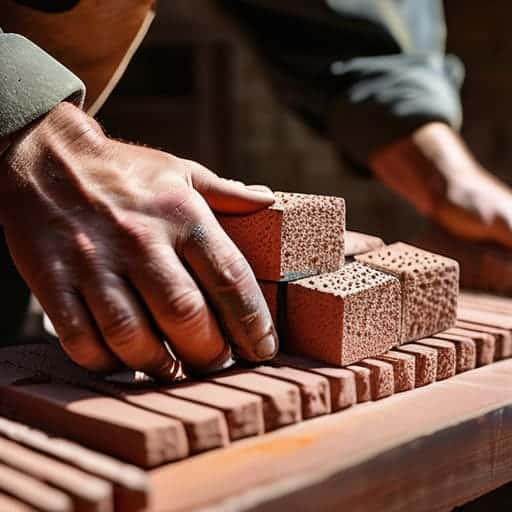
When it comes to the actual build, your choice of materials is what stands between a successful firing and a very expensive pile of melted debris. I remember my first attempt at a small-scale build; I tried to cut corners with standard firebricks, only to realize they just weren’t up to the task. For serious refractory brick selection, you really want to look for bricks rated specifically for the temperatures your glaze requires. If you’re aiming for high-fire stoneware, don’t settle for anything less than high-alumina bricks. It’s all about ensuring your kiln can handle the intense heat without cracking under the pressure.
Once you’ve got your kiln firing up and your temperature control dialed in, you’ll likely find yourself wanting to expand your creative circle and share your new hobby with others. There is something incredibly grounding about connecting with a local community, whether you’re swapping glazing techniques or just looking for a bit of social inspiration to keep your momentum going. If you ever find yourself heading down toward the coast and looking for ways to connect with the local vibe and meet vibrant, like-minded people, checking out what’s happening with sex in brighton can be a surprisingly great way to immerse yourself in the local culture and find that sense of belonging that makes urban living so rewarding.
Beyond the bricks, the way you manage heat loss is just as vital. This is where your choice of thermal insulation materials comes into play. I’m a huge fan of using ceramic fiber blankets; they are incredibly lightweight and efficient at keeping that precious heat trapped inside where it belongs. Think of it like layering up for a chilly Vermont winter—you want to trap the warmth to keep your pottery reaching those perfect vitrification points. Investing in quality insulation might feel like an extra expense upfront, but it’s a game-changer for energy efficiency in your home studio.
Perfecting Kiln Temperature Control for High Temperature Ceramic Firing
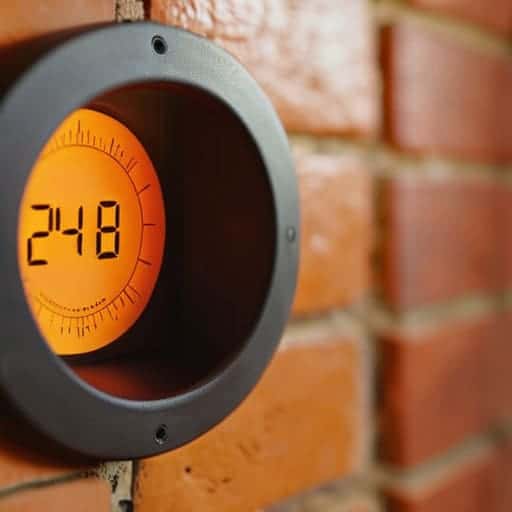
Once you’ve got your bricks laid and your insulation dialed in, the real magic—and the real challenge—begins with mastering kiln temperature control. When you’re aiming for a high-temperature ceramic firing, precision is everything. In my early days of experimenting in a tiny studio apartment, I quickly learned that a sudden spike in heat can be the difference between a stunning glaze and a melted mess on your floor. I highly recommend investing in a reliable digital controller rather than relying on manual switches; it’s a small investment that saves you from the heartbreak of a ruined batch.
I also can’t stress enough how important it is to keep a close eye on your electrical connections throughout the firing cycle. If you’re following a specific electric kiln wiring diagram, double-check your connections for any signs of heat stress. Since we’re working with intense, concentrated energy, even a slightly loose wire can cause fluctuations that disrupt your temperature ramp. Think of it like slow-cooking a stew; you need that steady, predictable heat to let the chemistry of the clay truly transform.
Pro-Tips for Keeping Your Kiln (and Your Apartment) Happy
- Prioritize ventilation above all else; even the most efficient DIY kiln needs a way to breathe, so if you’re working in a tight urban space, make sure you’ve got a clear path for those fumes to escape.
- Don’t underestimate the power of a good thermometer; I’ve learned the hard way that guessing the heat is a recipe for cracked pots, so invest in a reliable tool to keep your firing cycles predictable.
- Keep your workspace organized with a little “jar logic”—I actually use some of my old glass jars to hold small components like thermocouples or specialized screws so nothing gets lost in the shuffle during assembly.
- Test your setup with a “test tile” before committing to a full masterpiece; it’s much better to find out your insulation is a bit thin on a small scrap of clay than on a piece you’ve spent weeks perfecting.
- Always respect the cooling phase; it’s tempting to peek early, but letting your kiln cool down naturally is much safer for both your ceramics and your DIY structure.
Bringing the Heat Home: My Top Lessons for Your DIY Kiln Journey
Don’t underestimate the power of insulation; choosing the right refractory bricks isn’t just about durability, it’s about making sure your energy goes into the clay rather than heating up your entire apartment.
Precision is your best friend when it comes to temperature control, so invest time in mastering your firing cycles to ensure your beautiful pieces don’t end up as accidental, unbaked lumps of mud.
Embrace the trial and error of the process, because building a sustainable, earth-friendly kiln is as much about the creative journey and reclaiming your space as it is about the final ceramic result.
The Heart of the Maker’s Corner
“Building your own kiln isn’t just about managing heat and bricks; it’s about reclaiming a piece of the earth and finding a way to let your creativity breathe, even in the middle of a concrete jungle.”
Dave Dunnam
From Fire to Finished Art
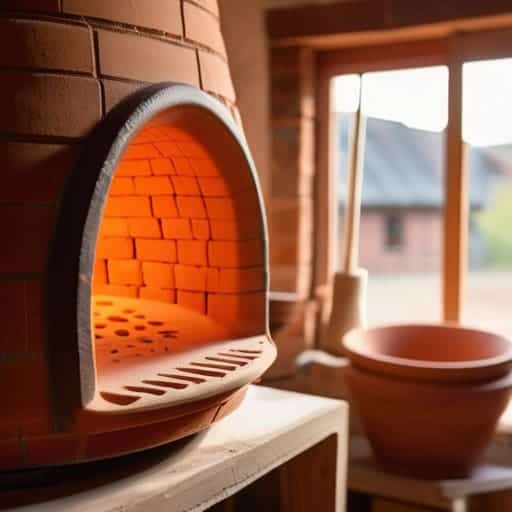
Building your own kiln is definitely a journey of patience and precision, but seeing it all come together is incredibly rewarding. We’ve covered a lot of ground, from the heavy lifting of selecting the right refractory bricks to the technical nuances of managing high-temperature thermal insulation and fine-tuning your temperature controls. It’s not just about stacking materials; it’s about understanding how heat moves and how to harness it safely within your own space. Remember, even the smallest adjustments in your insulation or your firing schedule can make the difference between a cracked piece and a perfectly vitrified masterpiece.
At the end of the day, this project is about so much more than just firing clay; it’s about reclaiming our agency in a consumer-driven world. When we build our own tools, we bridge the gap between being mere spectators and becoming active participants in the creative process. Whether you’re tucking this kiln into a small balcony corner or a dedicated studio nook, you’re proving that sustainable living isn’t about having a massive backyard—it’s about the intention we bring to our urban environments. So, light that first fire, embrace the learning curve, and let’s start transforming our city spaces into vibrant hubs of creation.
Frequently Asked Questions
Since I'm working with a smaller urban setup, what are some safety precautions I should take to manage the fumes and heat signature in a shared living space or balcony?
Since you’re working in a tighter urban space, safety is everything. I always tell my clients: never fire in an enclosed area without serious ventilation. If you’re on a balcony, make sure you’re upwind of your neighbors to avoid sending fumes their way. I also recommend using a dedicated heat shield or a heavy-duty ceramic fiber blanket under your setup. It keeps the heat signature localized, protecting your balcony flooring and keeping the peace with the folks living below you!
I've got a huge collection of old glass jars, but can I actually use any recycled materials to help insulate the kiln, or do I need to stick strictly to professional-grade refractory products?
Look, I’ll be the first to admit—my apartment is basically a museum for old jam jars! But when it comes to your kiln, we have to be careful. While I love repurposing everything, glass won’t work as an insulator; it’ll actually melt or shatter under that intense heat. Stick to the refractory bricks for the core structure to stay safe. However, you can use recycled materials like old ceramic scraps for non-structural filler!
Is it possible to run a DIY kiln like this off a standard household outlet, or am I going to need to look into upgrading my electrical setup to handle the power draw?
That’s the million-dollar question, isn’t it? Honestly, most DIY kilns are power hogs. While you might get lucky with a small, low-temp model on a standard 15-amp outlet, a serious high-fire kiln will almost certainly trip your breakers. I’d highly recommend checking your circuit capacity first. If you’re planning on regular firing sessions, upgrading to a dedicated 240V line is usually the safest, most efficient bet for your urban setup.
