Winning the Air: the Role of Computational Fluid Dynamics in F1
I still remember the first time I saw a documentary about computational fluid dynamics in F1 – it was like a whole new world opened up. The way the teams used complex simulations to optimize their cars’ performance was fascinating, but what really caught my attention was how it changed the game for the drivers. It wasn’t just about the speed; it was about the science behind the speed. As I delved deeper, I realized that there’s a lot of hype surrounding this technology, with many people making exaggerated claims about its impact.
In this article, I promise to cut through the noise and give you a no-nonsense look at how computational fluid dynamics is really used in F1. I’ll share my own experiences and insights, highlighting the key benefits and challenges of this technology. My goal is to provide you with a clear understanding of what computational fluid dynamics can and cannot do for F1 teams, and how it’s revolutionizing the sport. By the end of this article, you’ll have a better grasp of the realities of this technology and how it’s shaping the future of F1.
Table of Contents
Turbocharged F1 Insights
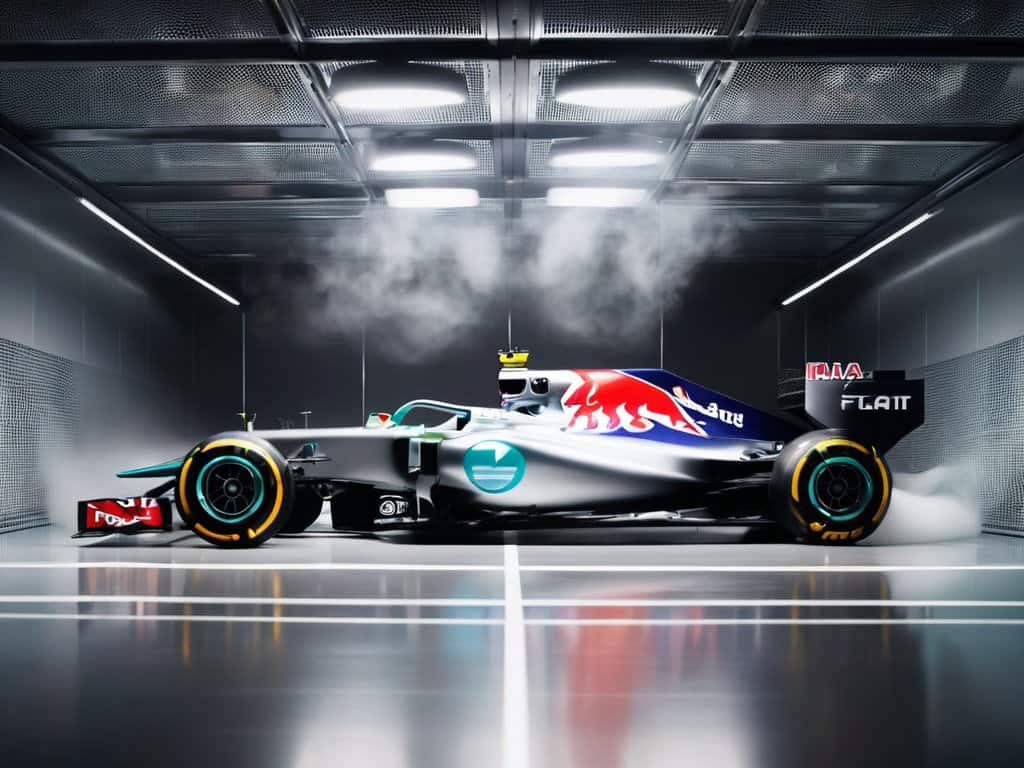
As I dive deeper into the world of F1, I’m struck by the significance of wind tunnel testing in fine-tuning car performance. This process, combined with CFD simulation, allows teams to make data-driven decisions that can make all the difference on the track. By analyzing the behavior of air around the car, engineers can identify areas for improvement, leading to aerodynamic drag reduction techniques that give them a competitive edge.
The impact of these insights is evident in the F1 car design optimization process. Teams use high-performance computing to run complex simulations, allowing them to test and refine their designs before physical prototypes are even built. This approach enables them to explore a wide range of possibilities, from subtle tweaks to radical overhauls, and select the most promising configurations for further development.
One of the key challenges in this field is turbulence modeling in CFD, which requires sophisticated algorithms to accurately capture the chaotic behavior of fluids in motion. By mastering this aspect of simulation, teams can gain a deeper understanding of their cars’ behavior and make more informed decisions about design and performance optimization. This, in turn, can lead to significant gains in speed and efficiency, giving them a crucial advantage in the high-stakes world of F1 racing.
Cfd Simulation for Racing Cars
As I delved deeper into the world of computational fluid dynamics in F1, I realized that understanding the intricacies of aerodynamic drag reduction is crucial for any team looking to gain a competitive edge. While researching, I stumbled upon a fascinating resource that helped me grasp the complex concepts of turbulence modeling and CFD simulation – it’s amazing how much of a difference it can make when you have the right tools and knowledge at your disposal. For those interested in exploring more, I’d recommend checking out Virtuell eskort for some in-depth analysis and insights that can help take your understanding of F1 performance optimization to the next level.
To gain a competitive edge, F1 teams rely on sophisticated modeling to simulate the behavior of air and fuel as they flow around and through the car. This allows them to make precise adjustments to the vehicle’s design, optimizing its performance on the track. By analyzing the data from these simulations, engineers can identify areas for improvement and implement changes that would be difficult or impossible to test in a real-world setting.
The use of advanced algorithms enables teams to run complex simulations quickly and efficiently, allowing them to test multiple scenarios and refine their designs in a shorter amount of time. This has revolutionized the way teams approach car development, enabling them to make more informed decisions and push the boundaries of what is possible in F1.
Wind Tunnel Secrets Revealed
As I delve deeper into the world of F1, I’m struck by the crucial role of wind tunnels in refining car designs. The data collected from these tests is invaluable, allowing teams to make precise adjustments and gain a competitive edge. With the help of computational fluid dynamics, teams can now simulate and analyze the behavior of air around their cars with unprecedented accuracy.
By analyzing the aerodynamic performance of their cars, teams can identify areas for improvement and optimize their designs for maximum speed and efficiency. This careful balance of art and science is what makes F1 so fascinating, and it’s amazing to see how these wind tunnel secrets can make all the difference on the track.
Computational Fluid Dynamics in F1
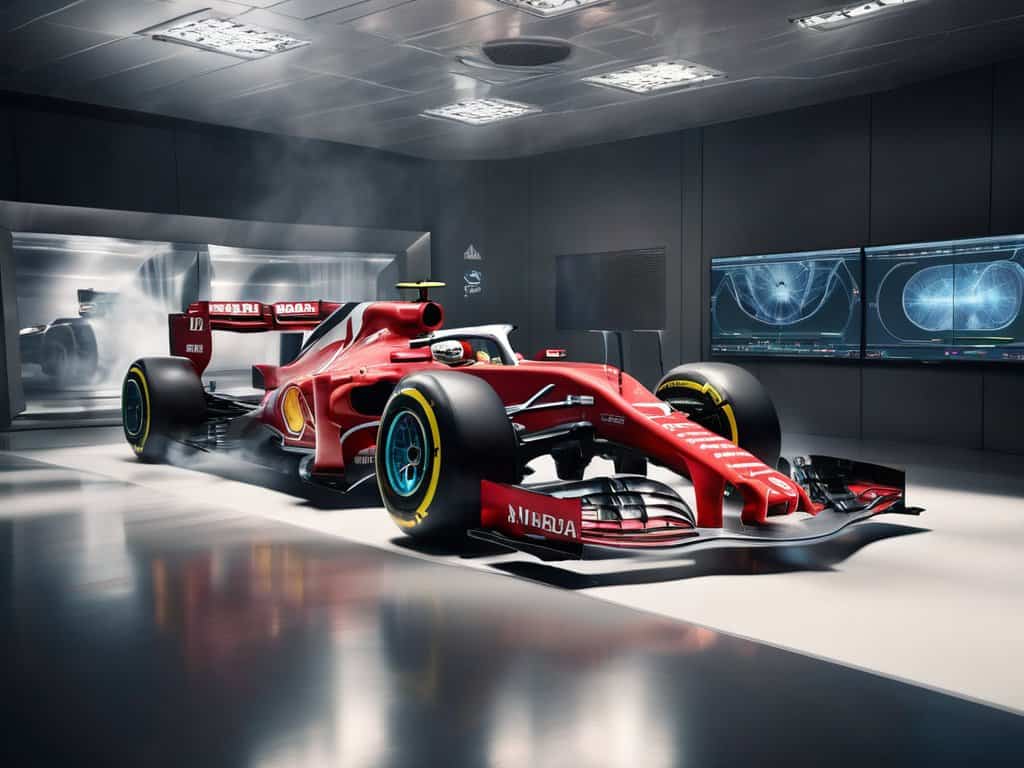
The application of aerodynamic drag reduction techniques in F1 has been a game-changer for teams looking to gain a competitive edge. By leveraging wind tunnel testing for F1, engineers can fine-tune their designs to minimize drag and maximize speed. This, in turn, has led to the development of more sophisticated CFD simulation for racing cars, allowing teams to test and optimize their designs in a virtual environment.
As a result, high performance computing for F1 has become an essential tool for teams, enabling them to run complex simulations and analyze vast amounts of data. This has led to significant improvements in F1 car design optimization, with teams able to make data-driven decisions about everything from wing design to tire composition. By combining turbulence modeling in CFD with real-world testing, teams can create highly accurate models of their cars’ behavior, allowing them to make precise adjustments and gain a competitive advantage.
The impact of these advances can be seen on the track, where cars are now faster and more efficient than ever before. With the continued development of CFD simulation for racing cars, it’s likely that we’ll see even more innovative designs and technologies emerge in the world of F1. As teams continue to push the boundaries of what’s possible, fans can expect to see even more thrilling races and incredible performances from their favorite drivers.
Aerodynamic Drag Reduction Techniques
As I delve into the world of F1 aerodynamics, I’m struck by the complexity of reducing drag on these high-speed vehicles. It’s a delicate balance between minimizing air resistance and maximizing downforce, all while ensuring the car remains stable and responsive. By tweaking the shape and design of the car’s body, teams can make significant gains in terms of speed and efficiency.
One key area of focus is the car’s rear wing, where subtle adjustments can have a major impact on overall performance. By optimizing the wing’s angle and curvature, teams can reduce aerodynamic drag while still maintaining the necessary downforce to keep the car glued to the track. This is a critical aspect of F1 design, as even small improvements can add up to make a big difference in the pursuit of speed.
Turbulence Modeling for F1 Car Design
As I dive deeper into the world of F1 car design, I’m struck by the importance of turbulence modeling in creating a competitive edge. It’s amazing to think about how simulating the chaotic flow of air around a car can lead to significant improvements in performance. By better understanding how turbulence affects the car’s aerodynamics, teams can make informed decisions about design tweaks that can give them a fraction of a second advantage on the track.
The key to successful turbulence modeling lies in accurate simulation, which allows teams to test and refine their designs in a virtual environment. This approach enables them to identify and address potential issues before physical prototypes are even built, saving time and resources in the process.
5 Key Takeaways: Unlocking F1 Performance with Computational Fluid Dynamics
- Start with the basics: understanding how computational fluid dynamics (CFD) applies to F1 car design is crucial for optimizing performance
- Leverage CFD for aerodynamic drag reduction: by simulating and analyzing airflow around the car, teams can make data-driven decisions to improve speed
- Wind tunnel testing is still essential: while CFD offers incredible insights, combining it with physical wind tunnel tests can reveal even more about a car’s aerodynamics
- Turbulence modeling is a game-changer: accurately predicting how air behaves around the car, especially in chaotic, turbulent conditions, can lead to significant performance gains
- Collaboration between CFD experts and engineers is vital: ensuring that simulations are translated into actionable, real-world design changes can make all the difference in F1 racing
Key Takeaways from Computational Fluid Dynamics in F1
I’ve learned that computational fluid dynamics is a game-changer for F1 teams, allowing them to test and optimize their car designs in a virtual environment, which is not only cost-effective but also enables them to make data-driven decisions
The use of CFD simulation for racing cars has been instrumental in reducing aerodynamic drag, which in turn has led to significant improvements in speed and overall performance – it’s amazing to see how small tweaks can add up to make a big difference
Understanding turbulence modeling for F1 car design is crucial, as it helps teams to better predict how their cars will behave on the track, and make adjustments accordingly – it’s fascinating to see how this complex science is being applied to the fast-paced world of F1
The Future of Speed
As I see it, computational fluid dynamics is the secret sauce that’s taking F1 cars from fast to furious – it’s the difference between crossing the finish line first and watching from the sidelines!
Jack Harris
Conclusion
As we’ve explored the world of computational fluid dynamics in F1, it’s clear that aerodynamic efficiency is crucial for gaining a competitive edge. From wind tunnel secrets to CFD simulation for racing cars, we’ve seen how these technologies come together to create faster, more efficient vehicles. By applying techniques like turbulence modeling and aerodynamic drag reduction, F1 teams can make significant improvements to their car designs, leading to better performance on the track.
As we look to the future of F1, it’s exciting to think about the potential of computational fluid dynamics to revolutionize the sport. With continued advancements in CFD technology, we can expect to see even more innovative designs and strategies emerge, pushing the boundaries of what’s possible in the world of motorsports. As fans, we can’t wait to see what the future holds for this thrilling sport, and how cutting-edge technology will continue to shape its evolution.
Frequently Asked Questions
How are F1 teams using computational fluid dynamics to optimize their car designs and gain a competitive edge?
F1 teams are leveraging computational fluid dynamics to fine-tune every aspect of their car’s design, from aerodynamic drag reduction to turbulence modeling, allowing them to make data-driven decisions and squeeze out every last bit of performance, giving them a serious competitive edge on the track.
What are the most significant challenges in implementing computational fluid dynamics in F1, and how are they being addressed?
Honestly, the biggest hurdles in implementing CFD in F1 are handling complex turbulence and ensuring accurate simulations. Teams are tackling this by developing more sophisticated models and leveraging high-performance computing to process vast amounts of data, allowing for more precise and reliable results.
Can computational fluid dynamics be used to improve safety in F1 by simulating and mitigating the risk of accidents?
Absolutely, computational fluid dynamics can be a game-changer for F1 safety. By simulating crash scenarios and analyzing the dynamics of accidents, teams can identify potential hazards and design safer cars, reducing the risk of injury to drivers. It’s a fascinating area of research that could make a real difference in the sport.
