Pet-friendly Home Design Tips for Happy Pets and Owners
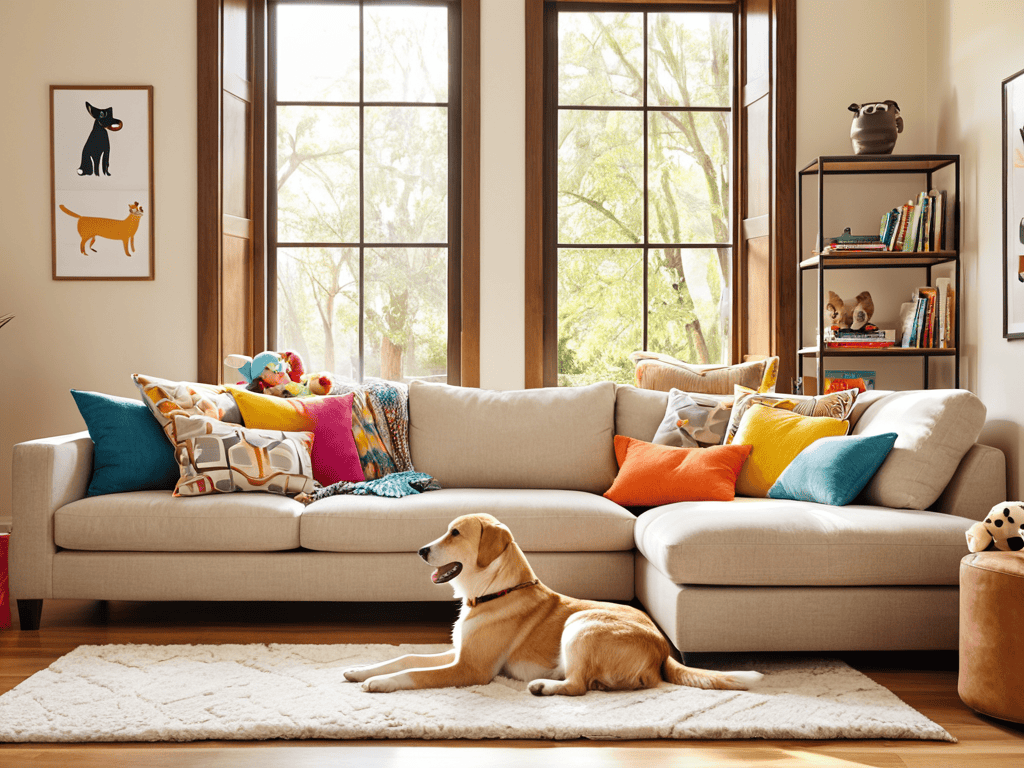
As I sit here surrounded by my urban jungle, with my cat, Luna, purring away on my lap, I’m reminded of the importance of pet-friendly home design tips. So often, we’re led to believe that creating a harmonious space for our furry friends means sacrificing style or functionality. But I’m here to tell you that’s just not true. With a little creativity and intention, you can craft a home that’s both beautiful and safe for your pets. I’ve learned this firsthand, having spent countless hours researching and experimenting with different designs to create a happy haven for Luna.
In this article, I’ll be sharing my top pet-friendly home design tips, from clever storage solutions to toxic-free materials. You’ll get a glimpse into my own journey of transforming my urban space into a pet paradise, and I’ll provide you with practical, actionable advice to do the same. Whether you’re a seasoned pet owner or just welcoming a new furry friend into your family, this guide is designed to empower you with the knowledge and inspiration you need to create a space that’s perfect for both you and your pets. So, let’s dive in and explore the world of pet-friendly design together!
Table of Contents
Guide Overview: What You'll Need
Total Time: 1 hour 30 minutes to several days
Estimated Cost: $50 – $500
Difficulty Level: Intermediate
Tools Required
- Tape Measure
- Level
- Pencil
- Utility Knife (with extra blades)
- Drill (for installing pet doors or shelves)
- Saw (for cutting 2-in x 4-in lumber or other materials)
Supplies & Materials
- Non-toxic Paint
- Stain-resistant Flooring (such as hardwood or tile)
- Pet Bedding
- Storage Bins (for pet toys and accessories)
- Baby Gates (for restricting access to certain areas)
- 2-in x 4-in Lumber (for building shelves or pet stations)
Step-by-Step Instructions
- 1. First, let’s start by assessing our current living space and identifying areas where our pets spend most of their time. This could be a cozy reading nook or a sunny windowsill where they love to lounge. Take note of these spots, as we’ll be incorporating pet-friendly design elements to make them even more inviting.
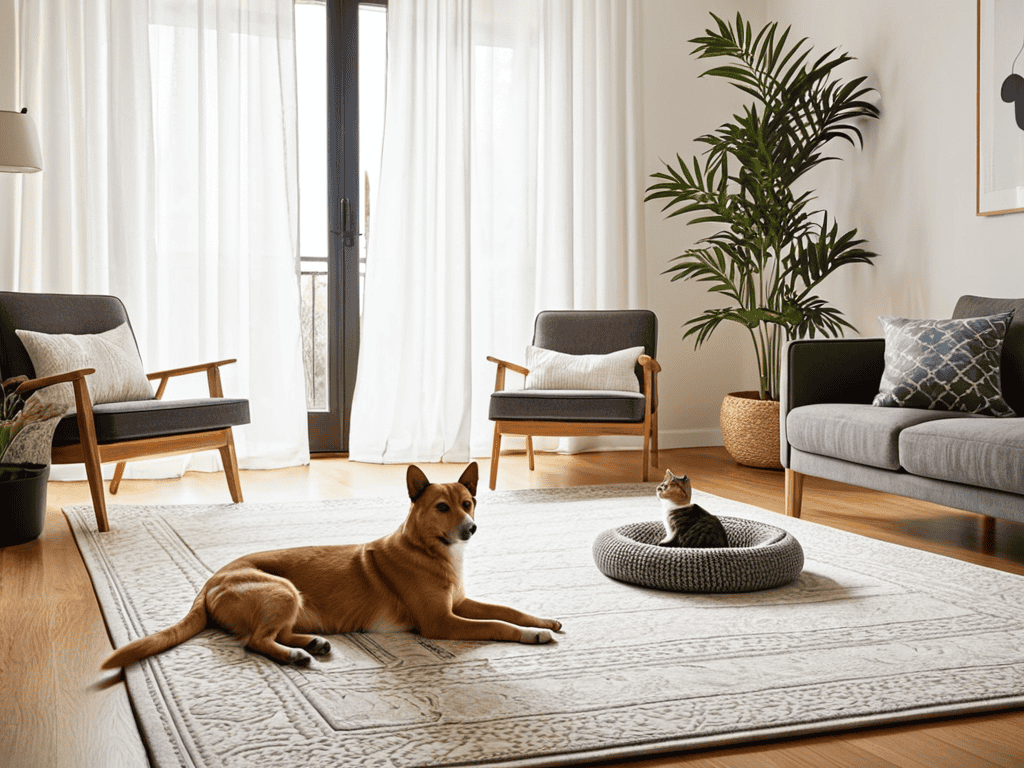
- 2. Next, consider the type of flooring in your home and how it can be adapted to be more pet-friendly. For example, if you have hardwood floors, you may want to add area rugs with non-slip backing to prevent slipping and falling. Alternatively, if you have carpeted floors, you could consider replacing them with low-maintenance flooring options like laminate or tile.
- 3. Now, let’s talk about furniture. When choosing pet-friendly furniture, look for pieces with stain-resistant fabrics or treatments that can withstand the occasional accident. You can also consider adding washable covers to your existing furniture to make cleaning up after your pets a breeze.
- 4. To create a sense of harmony and balance in your home, try to zone your space into different areas for different activities. For example, you could have a pet zone with their food and water bowls, bedding, and toys, and a separate area for relaxation and entertainment.
- 5. One of the most important aspects of pet-friendly home design is providing adequate storage for your pets’ belongings. This can include bins and baskets for toys, shelves for food and treats, and even a pet station with hooks for leashes and collars.
- 6. As an urban forager, I’m always on the lookout for ways to bring the outdoors in. Consider adding some greenery to your space, like pet-friendly plants or a living wall, to purify the air and create a calming atmosphere. Just be sure to choose plants that are non-toxic to your pets.
- 7. Finally, don’t forget to incorporate sensory elements into your pet-friendly design. This can include scratching posts for cats, chew toys for dogs, and even calming music or white noise machines to reduce stress and anxiety. By incorporating these elements, you can create a truly holistic and welcoming space for your pets.
Pet Friendly Home Design Tips
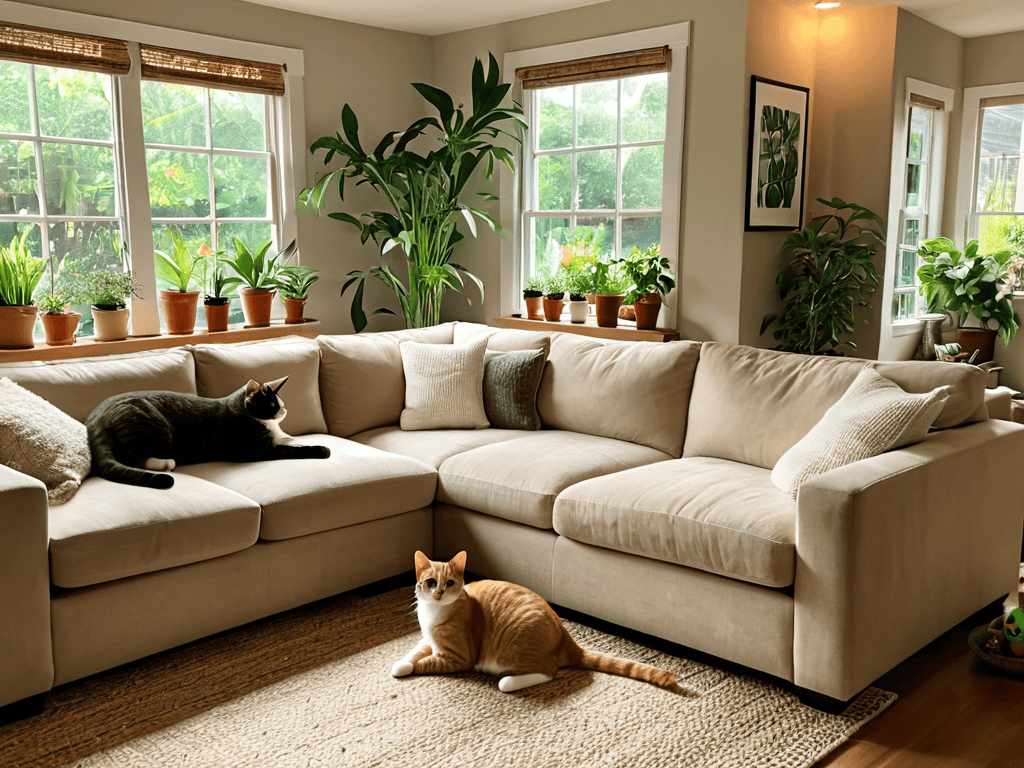
As I sit here surrounded by my urban foraging finds and repurposed glass jars, I’m reminded of the importance of creating a harmonious space for all members of the family – including our furry friends. When it comes to pet proof furniture ideas, it’s all about striking a balance between style and functionality. I’ve found that opting for durable, easy-to-clean materials and avoiding any toxic substances is key to creating a safe and comfortable environment for our pets.
Incorporating an indoor pet playground design can be a great way to keep our pets active and engaged, especially on those rainy days when outdoor adventures aren’t possible. By designating a specific area for playtime, we can help reduce stress and anxiety in our pets, while also protecting our belongings from any potential damage. Additionally, considering safe flooring options for pets is crucial, as certain materials can be hazardous if ingested or cause injury if they’re too slippery.
To take your pet-friendly space to the next level, consider incorporating accessible home layouts for pets that allow for easy navigation and minimal obstacles. This can be especially important for older pets or those with mobility issues. By creating a thoughtful and intentional space, we can promote a sense of calm and well-being for all members of the family, and that’s what it’s all about – creating a happy and healthy home, inside and out.
Paws Pinecones Pet Proof Furniture
As I continue to explore the world of pet-friendly home design, I’ve found that one of the most challenging aspects is creating a seamless transition between indoor and outdoor spaces. To help with this, I’ve been experimenting with urban foraging to bring a touch of the outdoors into my home, and I’ve discovered some amazing resources along the way. For instance, I recently stumbled upon a fantastic online community that offers a wealth of information on sustainable living and eco-friendly design, which can be accessed through this link: erotikanzeigen. While browsing through their forums, I came across some fantastic tips on how to create a thriving indoor ecosystem that not only benefits your pets but also helps to purify the air and improve the overall aesthetic of your home.
When it comes to pet-proof furniture, I’ve learned a thing or two from my own furry friends at home. For me, it’s all about striking a balance between style and practicality. I opt for sturdy, easy-to-clean pieces like a vintage leather sofa or a reclaimed wood coffee table. And, of course, a few well-placed throw blankets can work wonders in protecting your furniture from the occasional accident.
I’ve also repurposed some of my old glass jars into clever storage solutions for pet toys and treats, keeping them within reach but out of the way. It’s amazing how a little creativity can go a long way in creating a harmonious space for both humans and animals to thrive.
Wildlife Welcome Indoor Pet Playground
As I always say, a pet-friendly home is not just about durability, but also about creating spaces that bring joy to our furry friends. That’s why I love designing indoor pet playgrounds that welcome wildlife into our urban oases. For me, it’s about repurposing old items, like those glass jars I collect, into fun and interactive elements, such as a cat agility course or a doggy obstacle zone. By incorporating natural elements, like plants and wooden accents, we can create a seamless transition between the outdoors and indoors, making our pets feel like they’re part of the wild, even when they’re lounging on the couch.
I’ve found that even small spaces can be transformed into thriving pet playgrounds with a little creativity. Consider dedicating a corner of your living room to a pet bed or a catio, where your pets can observe the outdoors while staying safe and cozy indoors. By embracing this wildlife-welcome approach, we can create harmonious spaces that nurture both our pets and the environment, reflecting our commitment to sustainable living and eco-friendly practices.
Paw-some Principles: 5 Pet-Friendly Home Design Tips to Get You Started
- Choose Durable, Pet-Hair-Friendly Flooring: As an urban forager and sustainability enthusiast, I’ve learned to appreciate the importance of low-maintenance, eco-friendly flooring options like bamboo or cork that can withstand paws and claws
- Incorporate Hidden Storage for Pet Supplies: I love repurposing old glass jars to store pet treats and toys, keeping your space clutter-free and your furry friends happy
- Select Pet-Proof Furniture with Washable Covers: From sofas to ottomans, opt for furniture with removable, washable covers to make cleaning up after your pets a breeze
- Bring the Outdoors In with Pet-Friendly Plants: As someone who’s passionate about urban foraging, I recommend introducing pet-friendly plants like catnip or wheat grass into your home to create a natural, calming atmosphere
- Design a Cozy Pet Bed Nook: Create a snug, quiet spot for your pets to snooze, using sustainable materials like reclaimed wood or eco-friendly fabrics to craft a cozy retreat that’s both stylish and environmentally conscious
Key Takeaways for a Pet-Friendly Urban Oasis
As we urbanize, it’s essential to remember that our pets are part of the ecosystem too, and incorporating pet-friendly design elements can significantly enhance their quality of life
By choosing pet-proof furniture and creating indoor playgrounds, we not only protect our belongings but also foster a healthier, happier environment for our furry friends to thrive in
Ultimately, the goal of pet-friendly home design is to blur the lines between indoor and outdoor spaces, allowing us to reconnect with nature and nurture a sense of community and well-being for all members of the family – human and animal alike
Embracing Harmony
By embracing pet-friendly home design, we’re not just creating spaces that welcome our furry friends, we’re also cultivating a deeper sense of connection between our homes, our hearts, and the natural world around us.
Dave Dunnam
Embracing a Pet-Friendly Urban Oasis
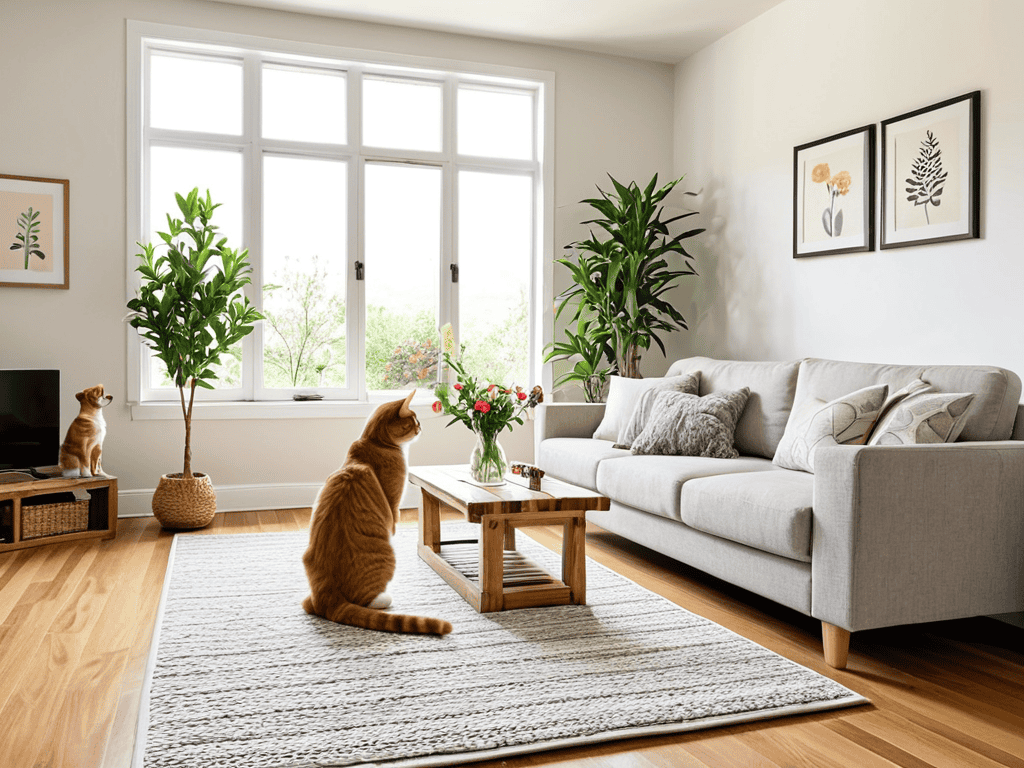
As we’ve explored the world of pet-friendly home design tips, it’s clear that creating a harmonious space for both humans and animals requires a blend of practicality and creativity. From choosing pet-proof furniture to designing an indoor pet playground, every detail contributes to a thriving ecosystem within our urban homes. By embracing these tips and making intentional design choices, we can foster a deeper connection between our pets, our living spaces, and the natural world.
As we conclude our journey into pet-friendly home design, remember that the true beauty of these spaces lies not just in their aesthetic appeal, but in the sense of community they nurture. By weaving our pets into the fabric of our daily lives and urban environments, we’re not only enhancing their well-being but also cultivating a more compassionate world. So, let’s continue to inspire one another to create homes that are sanctuaries for all beings, and in doing so, contribute to a healthier, more sustainable planet for generations to come.
Frequently Asked Questions
How can I balance pet-friendly design with a small living space?
For small spaces, I swear by multi-functional furniture and vertical storage. Consider a storage ottoman or a cat tree that doubles as a shelf. This way, you can create a pet playground without sacrificing floor space. Plus, it’s a great excuse to get creative with repurposed items, like old glass jars turned into pet treat containers!
What are some eco-friendly materials I can use for pet bedding and toys?
I’m a big fan of repurposing old materials, like turning vintage sweaters into pet beds or using natural fibers like hemp or bamboo for toys. You can also try filling pet beds with eco-friendly materials like recycled polyester or natural latex, and opting for toys made from sustainably-sourced wood or plant-based plastics.
Can you suggest any urban foraging tips for pet treats or herbal remedies for common pet ailments?
I love foraging for my own herbal remedies, and pets can benefit too. Try urban foraging for calendula or chamomile to soothe skin irritations or anxiety in pets. You can also forage for dandelion greens as a nutritious treat for your furry friends. Just be sure to properly identify any plants and consult with a vet before sharing.
