Save Money on Groceries with These Insider Secrets!
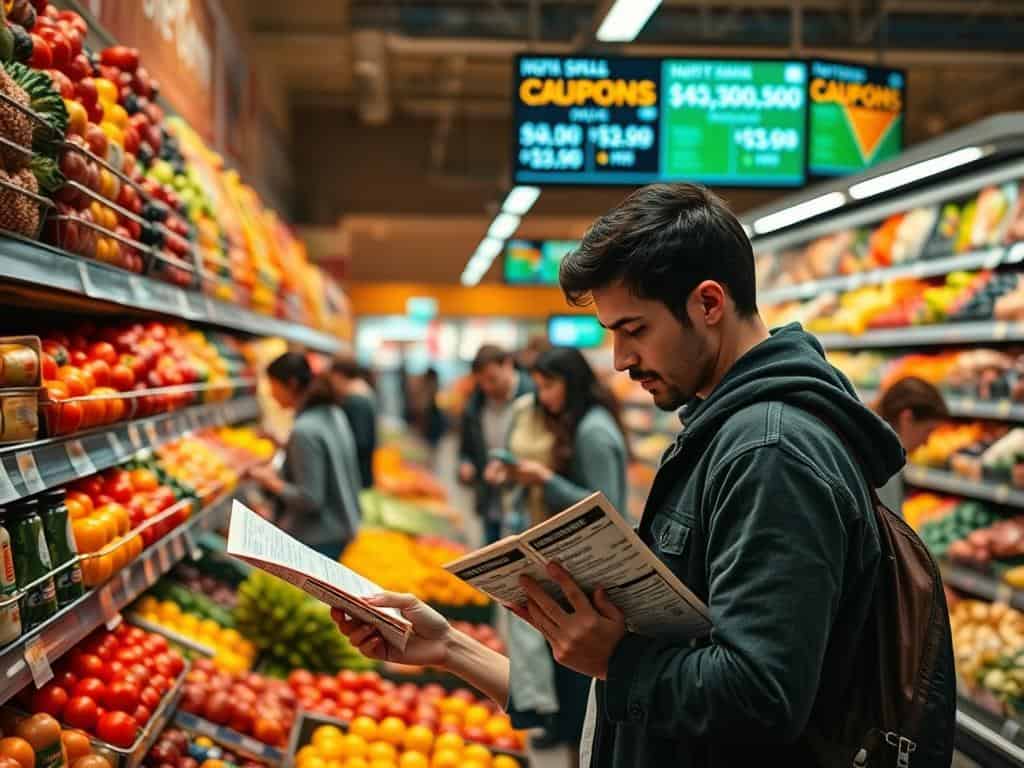
Standing in the grocery store, I felt overwhelmed by the prices. A dozen eggs now cost more than I could afford. I remembered when grocery shopping was easier on my wallet. But with prices up 28% in five years, I needed a new plan.
Now, many of us look for deals and choose generic brands to save money. Stores like Aldi offer great deals on staples, unlike Whole Foods. Smart shopping and meal prep became key to managing grocery costs. Using farmer’s markets and finding “seconds” also helps stretch our dollars. With a few smart moves, grocery shopping can save us money!
Key Takeaways
- The average grocery prices have surged by 28% in recent years.
- Switching between grocery stores can lead to substantial savings.
- Buying generic products can cut costs by up to 40%.
- Meal prep and planning are key for budget shopping.
- Shopping late at farmer’s markets may yield discounts.
- Taking advantage of loyalty perks can add extra savings.
Understanding Rising Grocery Prices
It’s important to know why grocery prices are going up. Inflation is a big factor, along with other economic trends. These changes affect how much we spend on food.
The Impact of Inflation on Your Grocery Bill
The inflation impact on grocery prices has been clear, with a 1% increase last year. This is a big drop from the 5% seen before. For families, food costs about 8% of their budget.
Lower-income families feel this more. But, wages went up by 3.9% last year. This means people can buy more with their money.
Essential Items Facing the Biggest Price Hikes
Some basic items have seen big price jumps. For example, frozen chicken nuggets now cost $3 more. This makes me think about making my own.
Dairy and eggs have also seen big price increases, up 36.8% in a year. While some prices like fruits and veggies have gone down, many items are expensive.
How Economic Trends Affect Your Shopping Choices
Economic trends make us change how we shop. The pandemic has changed the grocery market a lot. For example, PepsiCo saw a drop in Frito-Lay sales.
Even with small price increases, the market is changing. This means we need to stay alert and adjust our shopping plans.
Smart Grocery Shopping Strategies for Savings
Starting to save money at the grocery store needs smart plans and good choices. I plan my meals and check what I have at home to avoid waste. This helps me spend less and save more. Here are some tips for better grocery shopping.
Meal Planning: The Key to Efficient Shopping
Meal planning helps me make menus that last longer. This way, I use the same ingredients in different dishes. It cuts down on what I need to buy. Plus, buying seasonal produce saves money and tastes better.
The Importance of Inventory: What’s in Your Kitchen?
It’s important to know what’s in my pantry. This stops me from buying things I already have. It saves money and reduces waste. Before I shop, I check what I have to avoid buying too much.
Choosing the Right Store: Discount vs. Regular Grocery Options
Choosing the right store is key to saving money. I shop at discount stores like Aldi or Walmart for some items. But for others, I go to regular stores. This mix helps me save money without missing out on what I need.
Embracing Bulk Buying While Avoiding Waste
I buy in bulk only for things that last long or that I use often. Frozen fruits and veggies are cheap and healthy. Buying from bulk bins helps me avoid waste and save money.
Smart Spending Through Coupons and Discounts
Coupons and discount apps change how I shop. I look for deals on healthy foods to save money. Being part of store loyalty programs gives me special discounts. This way, I save even more with smart shopping.
Conclusion
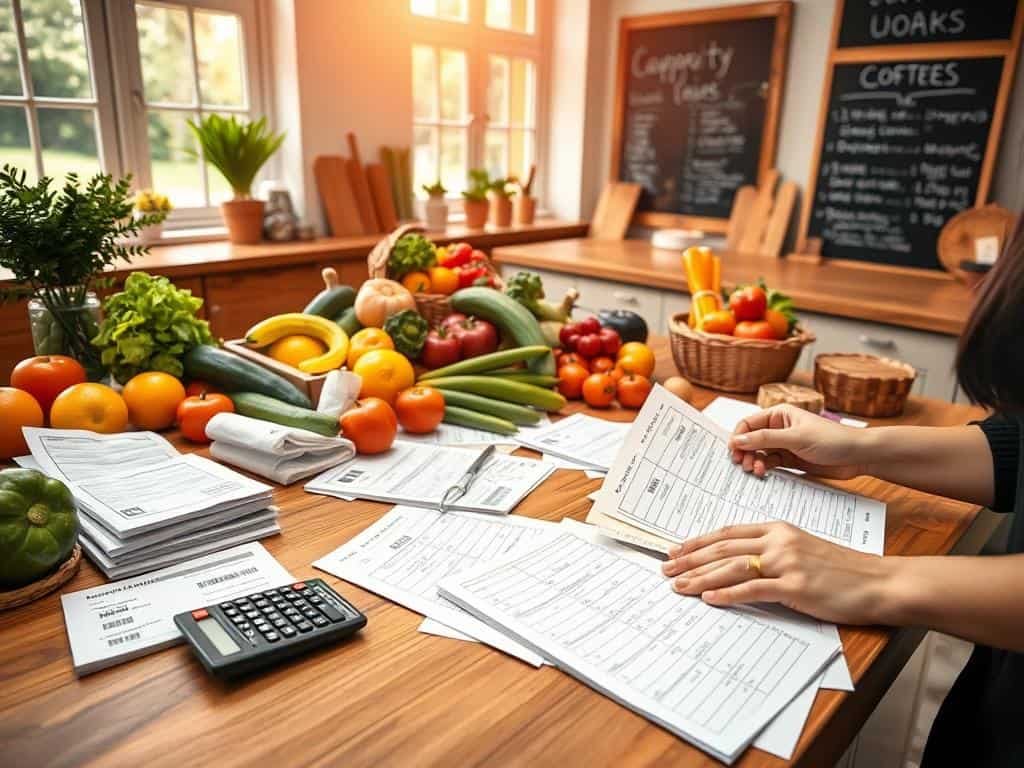
Managing grocery expenses well needs both awareness and action. Knowing the trends in grocery prices helps me shop smarter. For example, making a detailed grocery list can cut impulse buys by 30%.
Setting a budget for groceries helps me keep track of my spending. This can save me about 15% each month. Using loyalty programs and buying store-brand items can also lead to big savings, up to 25%.
Choosing seasonal produce is a smart way to save money. It’s often half the price of out-of-season items. Meal planning and buying in bulk can also make our food more enjoyable and reduce waste.
I suggest trying out these strategies and finding what works best for you. Changing how we shop for groceries can lead to better financial health and tastier meals. Sharing tips and success stories can motivate others to make these changes too.
