Break Any Bad Habit with This Simple Trick!
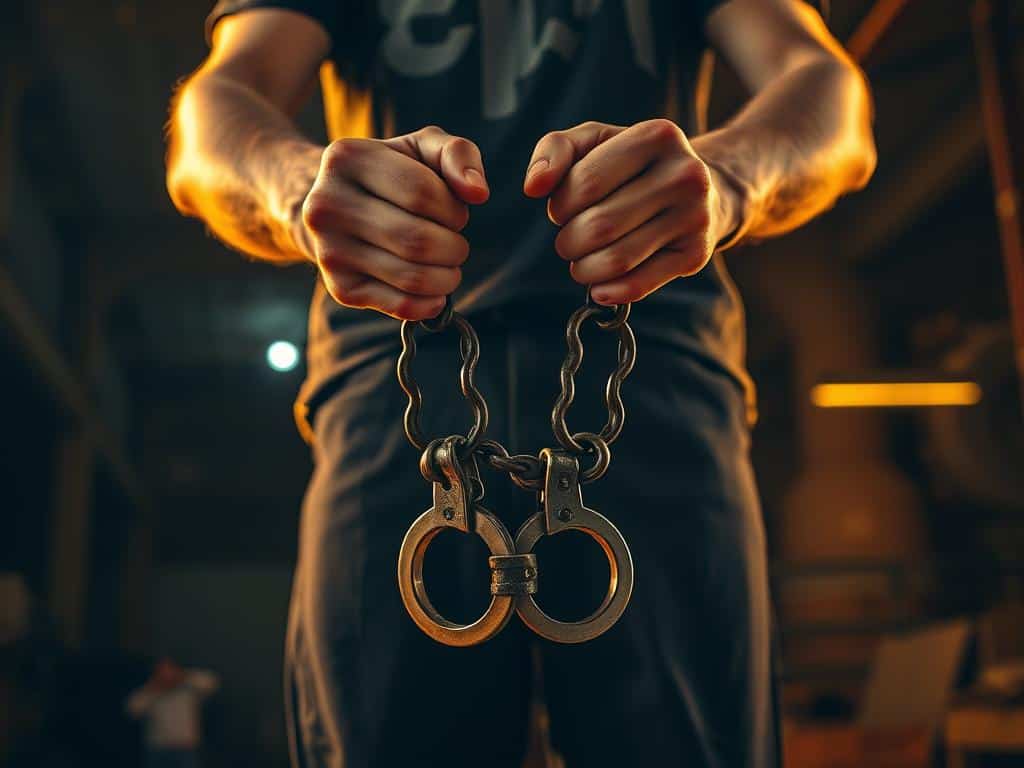
Recently, I found myself stuck on the couch, scrolling through my phone. A quick look turned into an hour, and I felt trapped by a bad habit. This is a common struggle many face, from smoking to snacking at night.
Studies show that 70% of smokers want to quit. Those dealing with drug and alcohol abuse see big health and relationship impacts. I learned that self-discipline is key to overcoming these challenges.
By looking at my triggers and routines, I started improving myself. I aimed to fight bad habits and replace them with better ones. This journey showed me that breaking habits isn’t just about willpower. There’s a simpler way to overcome them.
If you’re ready to break bad habits, let’s explore how self-discipline can help. We’ll look at how to reclaim your life from unwanted habits.
Key Takeaways
- Understanding the relationship between triggers, routines, and rewards is key to breaking bad habits.
- Self-discipline is essential for creating healthier habits and beating mindless ones.
- Knowing how habits work helps us manage and control them better.
- Breaking bad habits works differently for everyone, so a personal approach is needed.
- Building positive feelings around new habits makes them stick longer.
The Importance of Self-Discipline in Breaking Bad Habits
Breaking bad habits starts with self-discipline. It’s about understanding the mental strength needed to resist bad impulses. Self-discipline is more than just saying no; it’s about choosing good habits over bad ones.
Research shows habits are formed through consistent actions. This makes self-awareness key in spotting triggers and making smart choices.
Understanding Self-Discipline
Self-discipline is vital for overcoming bad habits. By creating routines that support good habits, I build a positive mindset. Every small win in breaking bad habits boosts my confidence and motivation.
Studies show people who take care of their health, like exercising and eating well, live better and longer. This supports the idea that self-discipline leads to a better life.
How Willpower Plays a Role
Willpower is the core of self-discipline, keeping me motivated to change. Saying “I don’t” instead of “I can’t” helps me resist temptations. This method is backed by psychologists like Zachary Irving, who say self-control mainly comes from willpower.
Creating a supportive environment, free from distractions, also boosts my willpower. As I become more self-aware, I can use self-control strategies better. This helps me make lasting changes in my habits.
Breaking Bad Habits: The Simple Trick That Works
Changing our lives starts with taking action, like breaking bad habits. Understanding what triggers these habits and replacing them with better ones is key. It also helps to stay focused on why we want to change.
These steps require discipline and willpower. But with them, we can see real change.
Identify Your Triggers
First, we need to find out what triggers bad habits. These can be emotions or things around us. Knowing what triggers them helps us make better choices.
By tracking these triggers, we learn more about ourselves. This knowledge helps us decide how to change.
Replace the Routine
Once we know our triggers, we can change the bad habits. Habits have three parts: the cue, the routine, and the reward. Charles Duhigg explains this well.
By replacing the bad routine with something better, we keep our minds active. This new activity can even give us the same satisfaction we got from the bad habit.
Focus on the “Why”
Knowing why we want to change is very important. Instead of just saying we want to stop a bad habit, we should say we want to start a good one. This positive approach works better.
It boosts our motivation and helps us stay disciplined. This way, we’re more likely to stick to our goals.
Using the “I Don’t” Technique
Using the “I don’t” technique helps us make better choices. Instead of focusing on what we can’t do, we focus on what we can do. This mindset helps us stay positive and strong.
Dr. Vanessa Patrick’s research shows this approach keeps us on track. It makes us more determined to keep good habits.

Conclusion
Breaking bad habits is a journey that needs self-discipline and willpower. It’s important to remember that this journey is slow. Making small changes can help a lot.
Identifying what triggers bad habits is key. Replacing old routines with new ones is also important. Understanding why we do things helps us change for the better.
It’s vital to celebrate small wins. These victories motivate us to keep going, even when it’s hard. Having friends, family, or professionals to support us makes a big difference.
Tracking our progress helps us understand our habits better. This makes it easier to avoid bad habits. Mindfulness and new hobbies can help us grow positively.
Being kind to ourselves is essential on this journey. It helps us not just break bad habits but also thrive in life.
