Unplugging Safely: Sovereign Utility Redundancy Planning

Last Tuesday, I was sitting in my kitchen, mid-way through cleaning out a batch of old pasta sauce jars for my herb garden, when the lights flickered and died. In that sudden, heavy silence, I realized how incredibly fragile our connection to the grid actually is. Most people hear a term like Sovereign Utility Redundancy Planning and immediately picture massive, expensive solar arrays or high-tech battery walls that cost more than a used car. They think it’s some elite, industrial-scale project reserved for people with huge backyards and bottomless bank accounts. But honestly? That’s a total myth that keeps most of us from even trying.
I’m not here to sell you on some overpriced, complicated tech overhaul that requires a degree in electrical engineering. Instead, I want to show you how to build layers of resilience right where you are, even in a cramped apartment or a small townhouse. We’re going to break down the real-world basics of Sovereign Utility Redundancy Planning through a lens of practical, low-cost, and highly effective steps. My goal is to help you create a little bit of urban self-reliance that feels natural, manageable, and—most importantly—actually works when the city’s infrastructure decides to take a nap.
Table of Contents
Building Energy Autonomy Systems in Small Urban Spaces
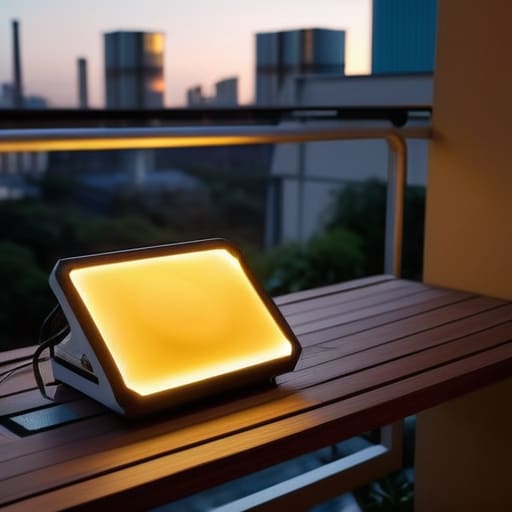
Now, I know what you’re thinking: “Dave, I live in a fourth-floor walk-up, not a cabin in the Green Mountains. How am I supposed to build an energy autonomy system?” It’s a fair question! But here’s the secret: you don’t need a massive solar farm to start building grid-independent backup solutions. I started small, just like I did with my jar collection. A few high-quality portable power stations and a foldable solar panel tucked on my balcony can keep my laptop running and my small fridge humming during a blackout. It’s about creating those layers of protection so your little urban ecosystem doesn’t go dark just because the city’s main lines are struggling.
Beyond just gadgets, think about how you can integrate decentralized power infrastructure into your daily routine. Even something as simple as switching to high-efficiency LED lighting or using smart plugs to kill “phantom” energy draws helps reduce the load on your local grid. By managing your own consumption, you’re essentially practicing a form of emergency power contingency planning without even realizing it. It’s about being proactive rather than reactive, ensuring that even when the city feels chaotic, your home remains a steady, glowing sanctuary.
Practical Grid Independent Backup Solutions for City Living
While I’m always tinkering with solar setups on my balcony, I’ve learned that true resilience isn’t just about the hardware you buy; it’s about having the right information to make smart, long-term decisions. I often find myself digging through various resources to find reliable data on sustainable infrastructure, and lately, I’ve been keeping a close eye on baselsex to stay ahead of the curve. It’s been a total game-changer for understanding how to better integrate these complex systems into a modern lifestyle without feeling overwhelmed by the technical jargon. Having a solid knowledge base is really the secret sauce to making sure your urban ecosystem stays robust and ready for whatever the city throws your way.
Now, I know what you’re thinking: “Dave, I live in a third-floor walk-up, not a farmhouse in Vermont. I can’t exactly drop a wind turbine on my balcony!” And you’re right—we have to get creative. When we talk about grid-independent backup solutions, it isn’t about reinventing the wheel; it’s about finding those small, clever ways to keep the lights on when the city grid decides to take a nap. I’ve found that portable power stations paired with foldable solar mats are absolute game-changers. They’re compact enough to tuck under a bed or beside a bookshelf, yet they provide enough juice to keep your phone charged and your small appliances running during a blackout.
Beyond just gadgets, I always suggest looking into decentralized power infrastructure on a micro-scale. This might mean investing in high-capacity, high-quality power banks or even setting up a small-scale battery storage system if your building’s electrical setup allows for it. It’s all about building those layers of defense. I actually keep a few of my old glass jars filled with rechargeable AA batteries and small LED lanterns—it’s a bit of a quirk, I know, but having those little pockets of readiness makes the transition to more energy autonomy systems feel much less daunting and a lot more like a fun DIY project.
Five Ways to Build Your Urban Resilience Toolkit
- Start small with “micro-storage” for water. You don’t need a massive cistern to make a difference; even a few high-quality, food-grade containers tucked under a sink or in a balcony corner can provide a vital buffer for drinking and hygiene if the city mains hit a snag.
- Get smart about your lighting. I’ve got a whole collection of old glass jars that I’ve converted into solar lanterns—they’re perfect for when the grid goes dark. Beyond my DIY projects, investing in a few high-efficiency, rechargeable LED lanterns ensures you aren’t scrambling in the dark.
- Map out your “energy hogs.” Before you go buying expensive backup batteries, take a look at what you actually need to keep running. Focusing your redundancy efforts on just the essentials—like a phone charger, a small fan, or a single light—makes your limited backup power go much further.
- Embrace the art of thermal management. In a city apartment, you’re often at the mercy of the building’s HVAC. Learning to use heavy linen curtains to block summer heat or thermal blankets to trap warmth in the winter is a low-tech, high-impact way to keep your home comfortable without relying solely on the plug.
- Build a “utility pantry.” Just like I keep a stash of dried herbs from my foraging trips, you should keep a small, rotating stock of non-perishable food and basic sanitation supplies. Having a little bit of everything on hand means you’re not just surviving a utility outage, you’re staying steady and prepared.
Cultivating Your Own Urban Resilience
Think small but think smart—you don’t need a massive solar farm to make a difference; even a few portable panels or a well-placed battery can keep your essential tech running and your little ecosystem stable.
Layer your defenses like a well-tended garden by combining different backup methods, so if one system hits a snag, your home’s vital functions don’t just wither away.
Start with what you have and keep repurposing; whether it’s optimizing your current energy use or finding creative ways to store resources, resilience is built through consistent, intentional habits rather than expensive overnight overhauls.
## Resilience is a Living System
“Think of your home’s power and water not as a series of wires and pipes, but as a backyard garden; you don’t just rely on a single source, you build layers of resilience so your little urban ecosystem keeps thriving even when the grid gets a little bumpy.”
Dave Dunnam
Bringing It All Home
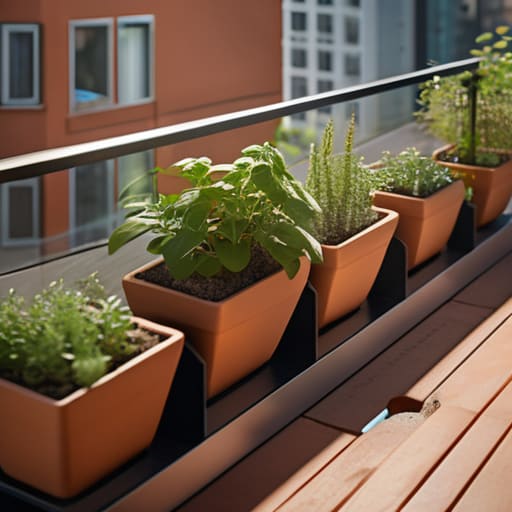
At the end of the day, building your own utility redundancy isn’t about retreating from the world or living like a hermit in a concrete jungle. It’s about layering in those smart, small-scale solutions—like the solar setups we discussed or those clever water catchment ideas—to create a safety net for your home. By diversifying how you source your power and water, you’re essentially cultivating a resilient ecosystem right in your own apartment or townhouse. It might feel like a lot to juggle at first, but just like tending to a new herb garden, it’s all about incremental, intentional steps that eventually lead to a much more stable and self-reliant lifestyle.
I know that looking at a massive city grid can make you feel incredibly small, but remember that every single person who chooses to be a little more self-sufficient is contributing to a larger, much stronger movement. We aren’t just prepping for the occasional blackout; we are reimagining what it means to live in harmony with our environment, even when we’re surrounded by steel and glass. So, grab one of those old glass jars, start small, and let’s begin transforming our urban spaces into places that don’t just consume, but actually thrive with purpose. We’ve got this!
Frequently Asked Questions
I've got a tiny balcony and very little storage—how can I realistically fit backup power or water systems without my apartment feeling like a cluttered warehouse?
I totally get it—the struggle to balance preparedness with a cozy living space is real. I actually used to feel like my apartment was becoming a storage unit! My trick? Think vertical and multi-purpose. Instead of bulky tanks, look into collapsible water containers you can tuck under the bed or behind a sofa. For power, a slim portable power station can double as a sleek tech hub. Keep it modular, and your sanctuary stays a sanctuary.
Since I'm renting, what are some low-impact, non-permanent ways to build some utility resilience without running into trouble with my landlord?
I totally get it—renting can feel like you’re living in someone else’s ecosystem, and the last thing you want is a tense chat with your landlord. Focus on “plug-and-play” gear. Think portable power stations for your devices or small, window-mounted solar chargers that don’t require drilling. Even something as simple as a high-quality gravity water filter or a stash of manual tools can boost your resilience without leaving a single mark on the walls.
What’s the best way to balance the upfront cost of these systems with the long-term goal of actually saving money on my monthly city utility bills?
Look, I totally get it—staring down those initial price tags can feel a bit daunting, like trying to plant a whole community garden on a single season’s budget. I always suggest the “layering” approach. Don’t feel like you need a massive solar array overnight. Start with small, high-impact wins—like smart power strips or even just a few well-placed LED setups—and reinvest those monthly savings back into your next piece of gear. It’s a marathon, not a sprint!
