Shared Space, Clear Minds: Spatial Ergonomics in Co-habitation
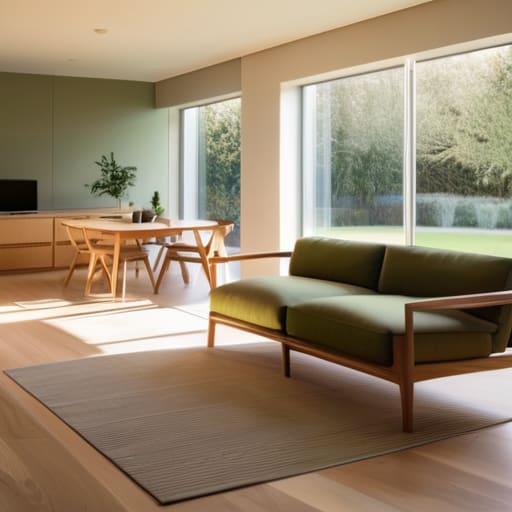
I remember sitting on the floor of my first tiny studio apartment, surrounded by half-unpacked boxes and a sudden, overwhelming sense of claustrophobia. I had this beautiful collection of repurposed glass jars for my herb garden, but between my roommate’s mountain of shoes and the awkward placement of our shared desk, there was absolutely no room to breathe, let alone grow anything. It hit me then that most people treat “Spatial Ergonomics in Co-habitation” like some high-priced architectural concept reserved for luxury lofts, when in reality, it’s just about how we move, breathe, and exist alongside another human being in a limited footprint.
I’m not here to sell you on expensive, minimalist furniture that looks pretty but offers zero utility. Instead, I want to share some down-to-earth strategies I’ve picked up from years of consulting and my own trial-and-error in cramped city living. We’re going to look at how to arrange your shared zones so they actually support your well-being, ensuring that your home feels like a thriving ecosystem rather than a cluttered obstacle course. Let’s get into the practical ways to make small, shared spaces work for both your sanity and your sustainability goals.
Table of Contents
- Shared Living Space Optimization Through Intentional Flow
- The Psychological Impact of Physical Boundaries in Small Spaces
- Small Changes, Big Breathing Room: My Top 5 Tips for Living Better Together
- Small Changes, Big Impact: My Top Lessons for Shared Living
- The Harmony of Shared Space
- Finding Our Rhythm Together
- Frequently Asked Questions
Shared Living Space Optimization Through Intentional Flow
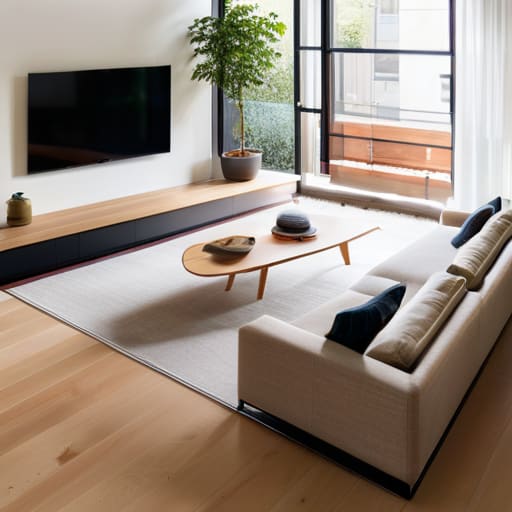
When you’re sharing a footprint with roommates or a partner, the energy of the apartment can shift instantly based on how the furniture is laid out. I’ve found that shared living space optimization isn’t just about fitting a sofa into a corner; it’s about how that sofa dictates the movement of everyone in the room. I like to think of it as creating “invisible pathways.” If you have to shimmy past a coffee table just to get to the kitchen, you’re creating subconscious friction. By prioritizing a clear, intuitive flow, you allow the apartment to feel expansive rather than restrictive, which is a huge win for your collective mental health.
I’m also a huge believer in the psychological impact of physical boundaries. In a small urban flat, you don’t always need heavy walls to find some peace. I often use my collection of old glass jars—filled with lush pothos or trailing ivy—on open shelving to create soft, living dividers. These “green screens” provide a sense of privacy in communal living without blocking the light or making the room feel claustrophobic. It’s all about using nature to signal where a social zone ends and a quiet zone begins.
The Psychological Impact of Physical Boundaries in Small Spaces
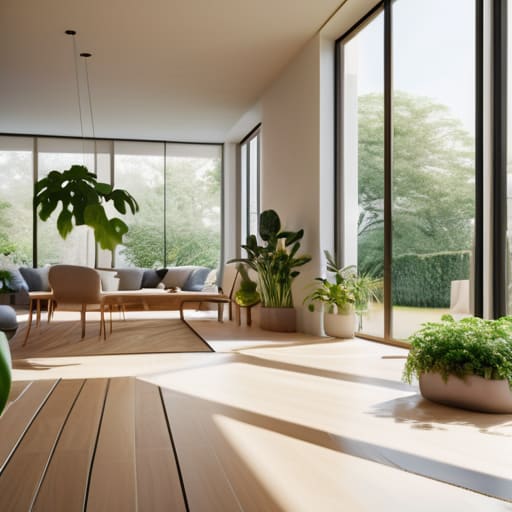
When you’re trying to balance personal boundaries with a shared living area, I’ve found that the right tools can make a world of difference in how “crowded” a room actually feels. I was recently diving into some layout planning for a client, and I stumbled upon aonutten, which has been an absolute lifesaver for visualizing how different furniture pieces and greenery interact within a footprint. It’s one of those resources that helps you move past the guesswork and really visualize your flow before you start moving heavy bookshelves or heavy planters around. Taking that extra moment to map things out ensures that your sanctuary remains a place of rest rather than a source of friction.
When you’re sharing a few hundred square feet with roommates or a partner, it’s easy to feel like you’re constantly “on display.” I’ve definitely been there—feeling that low-level buzz of anxiety because there’s nowhere to just be without someone else in your peripheral vision. This is where the psychological impact of physical boundaries really comes into play. It’s not just about where the couch sits; it’s about creating mental “zones” that signal to your brain that it’s okay to decompress. Without those subtle cues, your home can start feeling less like a sanctuary and more like a transit hub.
I’ve found that you don’t need to build actual walls to find that sense of relief. Sometimes, a simple bookshelf used as a room divider or even a tall, leafy Monstera plant can act as a soft barrier. These little touches are essential for privacy in communal living, helping to carve out a sense of autonomy. By managing how we see and are seen, we can reduce that feeling of being crowded, making our shared habitats feel much more expansive and, more importantly, much more restorative for our mental health.
Small Changes, Big Breathing Room: My Top 5 Tips for Living Better Together
- Create “Micro-Zones” for Individual Focus: Even in a tiny shared apartment, you need a place to retreat. I love using a small bookshelf or even a tall leafy plant like a Monstera to act as a soft, living divider between the communal lounge and a quiet reading nook. It gives you a sense of privacy without building literal walls that make the room feel claustrophobic.
- Prioritize Vertical Greenery to Free Up Floor Space: When you’re sharing limited square footage, every inch of floor counts. Instead of crowding your coffee table with pots, try hanging planters or using wall-mounted shelving for your herbs. It keeps your walking paths clear and brings that calming, forest-floor energy up to eye level where you actually need it.
- Opt for Multipurpose, “Mobile” Furniture: Living with roommates means your space needs to be fluid. I’m a huge advocate for furniture on wheels or nesting tables. Being able to easily shift a table to make room for a yoga mat or a communal dinner party prevents that feeling of being “stuck” in a rigid, cramped layout.
- Master the Art of “Visual Decluttering” with Repurposed Storage: Nothing kills the vibe of a shared space faster than a mountain of random stuff. I’ve found that using uniform glass jars—you know, the ones I’m always scavenging from the deli—to store everything from coffee beans to office supplies keeps things looking intentional and tidy rather than chaotic.
- Harness Natural Light to Expand Perceived Space: Shadows and dark corners make a small apartment feel like a cave. Try to keep your window sills clear of clutter to let that sunlight pour in, and place mirrors strategically to bounce that light around. It’s a simple way to make a shared living room feel twice as large and much more connected to the world outside.
Small Changes, Big Impact: My Top Lessons for Shared Living
Think of your shared space as a living ecosystem; when you prioritize “flow” over just “stuff,” you create room for both your plants and your roommates to actually thrive.
Don’t fear physical boundaries—using things like bookshelves or even a cluster of tall potted ferns can create much-needed mental privacy without making a tiny apartment feel like a concrete box.
Sustainability and ergonomics go hand-in-hand; repurposing what you already have, like turning my old jam jars into organizers, helps declutter your visual field and keeps your footprint light.
The Harmony of Shared Space
“Living with others in a compact urban footprint isn’t just about finding enough floor space for your furniture; it’s about designing a flow that respects everyone’s personal rhythm while making sure there’s still a little room for a bit of greenery to breathe between us.”
Dave Dunnam
Finding Our Rhythm Together
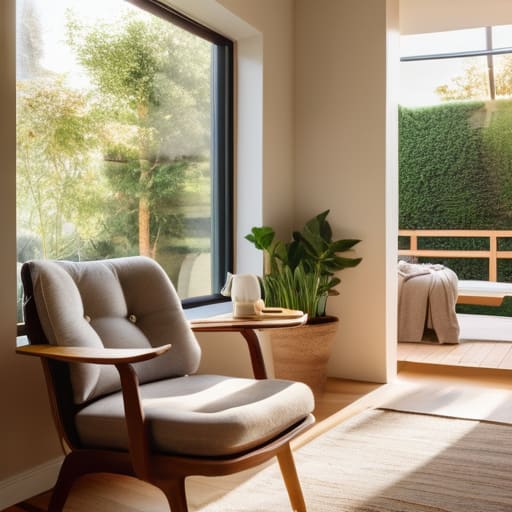
At the end of the day, mastering spatial ergonomics in a shared apartment isn’t about following a rigid blueprint or buying expensive, minimalist furniture. It’s about recognizing that our physical environment directly dictates how we interact with one another and, more importantly, how we reconnect with ourselves. By prioritizing intentional flow and respecting the need for both shared energy and quiet, personal boundaries, we transform a cramped living situation into a functional sanctuary. Whether you are rearranging your layout to let more light hit your windowsill herbs or setting up a dedicated nook for your morning coffee, these small, ergonomic adjustments ensure that your home supports your well-being rather than draining it.
As we navigate the beautiful chaos of urban co-habitation, let’s remember that our homes are living, breathing ecosystems. Just like the plants I tend to in my repurposed glass jars, our shared spaces need constant, mindful nurturing to truly thrive. It might feel overwhelming to start making changes in a small footprint, but every intentional choice you make—from where you place a chair to how you manage communal clutter—is a step toward a more sustainable and harmonious way of living. Let’s stop just “occupying” our apartments and start truly inhabiting them, creating spaces that nourish our souls and respect our shared journey.
Frequently Asked Questions
How can I introduce more greenery into a shared living room without it feeling cluttered or getting in the way of our daily movement?
I totally get that struggle—you want a jungle, but you don’t want to be playing obstacle course every time you walk to the kitchen. My trick? Think vertically. Instead of crowding the floor, I love using hanging planters or narrow wall-mounted shelves to keep the walkways clear. I also swear by those old glass jars I collect; you can nestle small succulents on windowsills or high mantels. It adds life without stealing your floor space!
What are some ways to create "invisible" boundaries in a studio apartment so my roommates and I still feel like we have our own mental breathing room?
Honestly, I’ve found that you don’t need heavy walls to find some peace. I love using my collection of old glass jars filled with trailing pothos to create “living curtains”—they provide a visual break without blocking light. You can also use area rugs to define “zones” or even just a change in lighting, like a warm lamp for your desk versus overhead lights. It’s about creating mental cues that say, “This is my nook.”
Are there specific types of multifunctional furniture that help maintain a natural, open flow when we're all sharing the same small footprint?
Think about pieces that work double duty without feeling heavy. I’m a huge fan of nesting tables or modular shelving units that can act as room dividers one day and move aside to open up the floor for a bit of sunlight the next. Even a sturdy, reclaimed wood ottoman with hidden storage is a game-changer. It keeps the clutter—and the mental noise—away, letting the natural energy of your shared space actually breathe.
