Fuel Optimization: a Guide to Macro-nutrient Density Auditing
I was sitting on my fire escape the other morning, nursing a coffee and staring at a pile of “superfood” meal replacement bars I’d bought during a particularly frantic week in the city. They were wrapped in shiny, recyclable plastic, but as I looked at the label, I realized they were basically just glorified candy bars with a marketing budget. It hit me that most people approach nutrition like a high-stakes math equation or a luxury lifestyle trend, when really, it’s just about the quality of the fuel you’re putting into your personal ecosystem. We’ve been sold this idea that Macro-Nutrient Density Auditing has to be this complex, expensive ritual involving bio-tracking apps and boutique supplements, but that’s just noise designed to keep you spending.
I’m not here to give you a lecture or a spreadsheet that takes three hours to fill out. Instead, I want to show you how to treat your pantry like a well-tended urban garden—focusing on what actually nourishes you rather than what just looks good on a label. I’m going to share my own no-nonsense approach to auditing your macros by looking at the real, tangible value in your food, helping you cut through the hype and find a sustainable rhythm that works for your life and the planet.
Table of Contents
Mastering Your Nutrient to Calorie Ratio Analysis
Now, let’s get into the real heavy lifting: mastering your nutrient-to-calorie ratio analysis. Think of this like assessing the soil quality in a community garden before you start planting; you aren’t just looking at how much “stuff” is in the ground, but how much actual life-sustaining energy is available to the plants. In the urban kitchen, this means moving past the simple math of calories and looking at what those calories are actually doing for you. When I’m prepping my weekly meals, I try to look at the whole food vs processed food density to ensure I’m not just filling my stomach, but actually fueling my cells.
It’s easy to get caught up in the sheer volume of what we eat, but the real magic happens when we prioritize the quality of our fuel. By focusing on this ratio, we’re essentially performing a macronutrient quality assessment on every meal. It’s about making sure that for every calorie we consume, we’re getting a meaningful return on investment in the form of vitamins and minerals. It’s not about restriction; it’s about being an intentional steward of your own internal ecosystem.
Whole Food vs Processed Food Density Secrets
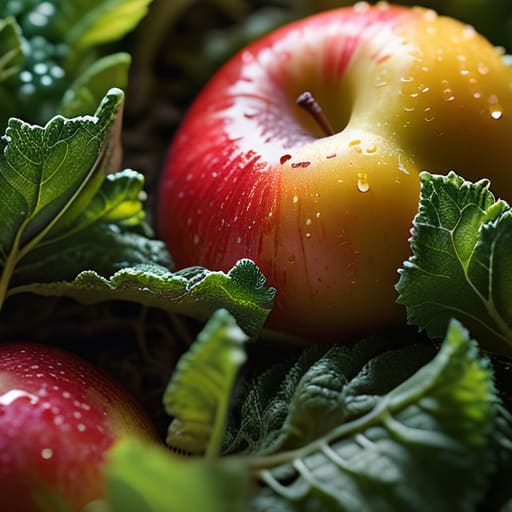
When I was growing up in Vermont, my parents always taught me that you can’t judge a harvest just by how much it fills your belly; you have to look at what it’s actually giving you. It’s the same deal when we dive into the whole food vs processed food density debate. I like to think of processed foods like those flashy, neon-colored plastic decorations you see in some city windows—they look bright and exciting, but they offer zero substance. On the flip side, a crisp apple or a handful of wild dandelion greens I’ve foraged is like a sturdy, well-tended garden; every bit of energy it provides is packed with the building blocks your body actually needs to thrive.
If you’re feeling a bit overwhelmed by all these moving parts, don’t sweat it—it’s a learning curve for all of us. When I first started diving into the data, I found that having a reliable source for local, seasonal inspiration made the whole process feel less like a chore and more like a discovery. I’ve actually been spending a lot of my downtime lately browsing through casual west midlands. to find new ways to connect with the rhythms of what’s growing around us. It’s been a game-changer for my own meal planning, helping me bridge that gap between complex nutritional theory and the simple, joyful act of eating well.
The real secret lies in micronutrient bioavailability. It’s one thing to read a label that claims a snack has vitamins, but it’s another thing entirely to eat something your body can actually absorb and use. When we opt for whole foods, we aren’t just avoiding empty calories; we are prioritizing metabolic health optimization by feeding our cells the complex nutrients they crave. It’s about making sure every bite serves a purpose, much like how I repurpose an old jar to ensure nothing goes to waste.
Five Ways to Audit Your Plate Without Losing Your Mind
- Start with a “Visual Soil Test” for your meals. Just like I check the quality of compost before planting, take a quick look at your plate to see if the colors and textures represent real, nutrient-dense whole foods or if it’s mostly just beige, processed stuff. If there’s no vibrant green or deep red, your nutrient density is likely hitting a drought.
- Use the “Jar Method” for tracking. I’m a bit obsessed with my collection of old glass jars, and I’ve found that visualizing your macros works the same way. Imagine your daily intake is a mason jar; are you filling it with heavy, empty “filler” like refined sugars, or are you packing it tight with high-density proteins and healthy fats that actually sustain you?
- Watch out for the “Empty Calorie Weeds.” In urban foraging, you have to know which plants are actually useful and which are just taking up space. Treat your snacks the same way. If a food has a massive calorie count but offers almost zero micronutrients, it’s an empty calorie weed—it’s taking up room in your “ecosystem” without providing any real benefit.
- Prioritize “Nutrient-Dense Anchors.” Every great urban garden needs a sturdy foundation. When auditing your macros, identify your anchor foods—things like lentils, chia seeds, or wild-caught fish. These are your heavy hitters that provide the most “bang for your buck” in terms of nutrients per calorie, making your auditing process much more efficient.
- Don’t aim for perfection, aim for “Ecological Balance.” You don’t need a sterile, laboratory-perfect diet to be sustainable. Just like a healthy city park has a mix of everything, your macro-nutrient audit should aim for a functional balance. If you have a heavy day, don’t sweat it; just focus on bringing the density back up during your next meal to keep your personal ecosystem thriving.
Cultivating a Nutrient-Dense Lifestyle: My Top Takeaways
Think of your plate like a small urban garden; it’s not about the sheer volume of food, but the quality of the “soil”—aim for foods that pack a massive punch of vitamins and minerals relative to their calorie count to truly fuel your ecosystem.
Prioritize whole, unprocessed foods as your foundation, much like choosing native plants for a balcony garden, because they offer the complex nutrient profiles that highly processed “empty calorie” foods simply can’t replicate.
Start small with your auditing process by tracking just one meal a day; it’s about making intentional, sustainable shifts rather than an overnight overhaul, ensuring your new habits can actually take root and thrive in your busy city life.
Reframing the Way We Fuel
“Think of auditing your macro-nutrient density less like a rigid math equation and more like tending to a community garden; it’s about looking past the sheer volume of what’s on your plate to ensure every single bite is actually nourishing your inner ecosystem and fueling the life you want to lead.”
Dave Dunnam
Cultivating Your Personal Vitality

At the end of the day, auditing your macro-nutrient density isn’t about achieving some impossible standard of perfection or obsessing over every single gram. It’s really about learning to read the labels of your life, much like I do when I’m out foraging and trying to identify a patch of wild ramps versus a common weed. By mastering your nutrient-to-calorie ratios and choosing whole, earth-grown foods over those heavily processed, nutrient-void options, you are essentially weeding out the junk to make room for the good stuff. You’ve learned how to spot the difference between empty calories and true fuel, ensuring that what you put into your body is actually nourishing your internal ecosystem rather than just filling a void.
As you move forward, remember that sustainability isn’t just something we do for the planet; it’s something we must do for ourselves. Every time you choose a nutrient-dense meal, you are making a small, intentional investment in your future self. Think of these dietary shifts like those old glass jars I keep collecting—they might start as small, seemingly insignificant pieces, but when you repurpose them with purpose, they become part of a beautiful, functional whole. Let’s commit to being mindful stewards of our own health, one bite at a time, and build a foundation that is as resilient and vibrant as the urban gardens we strive to create.
Frequently Asked Questions
How can I start auditing my nutrient density without spending hours obsessively reading every single tiny label at the grocery store?
Look, I get it—staring at tiny fine print under fluorescent lights is the fastest way to kill your grocery groove. I used to do that until I realized you don’t need a lab coat to eat well. Instead, try the “Rule of Five”: if a package has more than five ingredients or names you can’t pronounce, put it back. Focus on the perimeter of the store where the real food lives. It’s about intuition, not obsession.
If I'm living in a small urban apartment with limited kitchen space, are there specific "high-density" staples I should prioritize to make this easier?
Living in a tight urban kitchen is a challenge I know all too well—I’m basically playing Tetris with my pantry every week! When space is at a premium, prioritize “powerhouse” staples that pack a massive nutritional punch without the bulk. Think chia seeds, hemp hearts, and nutritional yeast; they take up almost no room but skyrocket your nutrient density. Also, keep dried lentils and quinoa on hand. They’re shelf-stable, compact, and much more efficient than bulky, processed alternatives.
Is it possible to overdo it with nutrient-dense foods, or is there a sweet spot where I'm getting everything I need without feeling weighed down?
That’s a great question, and honestly, I’ve been there! It’s like when I overdo it with foraging for wild dandelion greens—they’re incredibly nutritious, but eating them by the bucketful can definitely leave you feeling a bit heavy. Aim for that “sweet spot” where you feel energized, not stuffed. Think of it as balancing your personal ecosystem; you want variety and richness, but you don’t want to overwhelm the system.
